
Pharmacists aren’t just handing out pills anymore. Across the U.S., they’re giving flu shots in the back of the store, counseling patients on why generic drugs work just as well as brand-name ones, and pushing back against insurance practices that make care harder to afford. This shift isn’t accidental-it’s the result of years of advocacy, training, and policy changes that have turned community pharmacies into frontline health hubs.
From Dispensers to Vaccinators
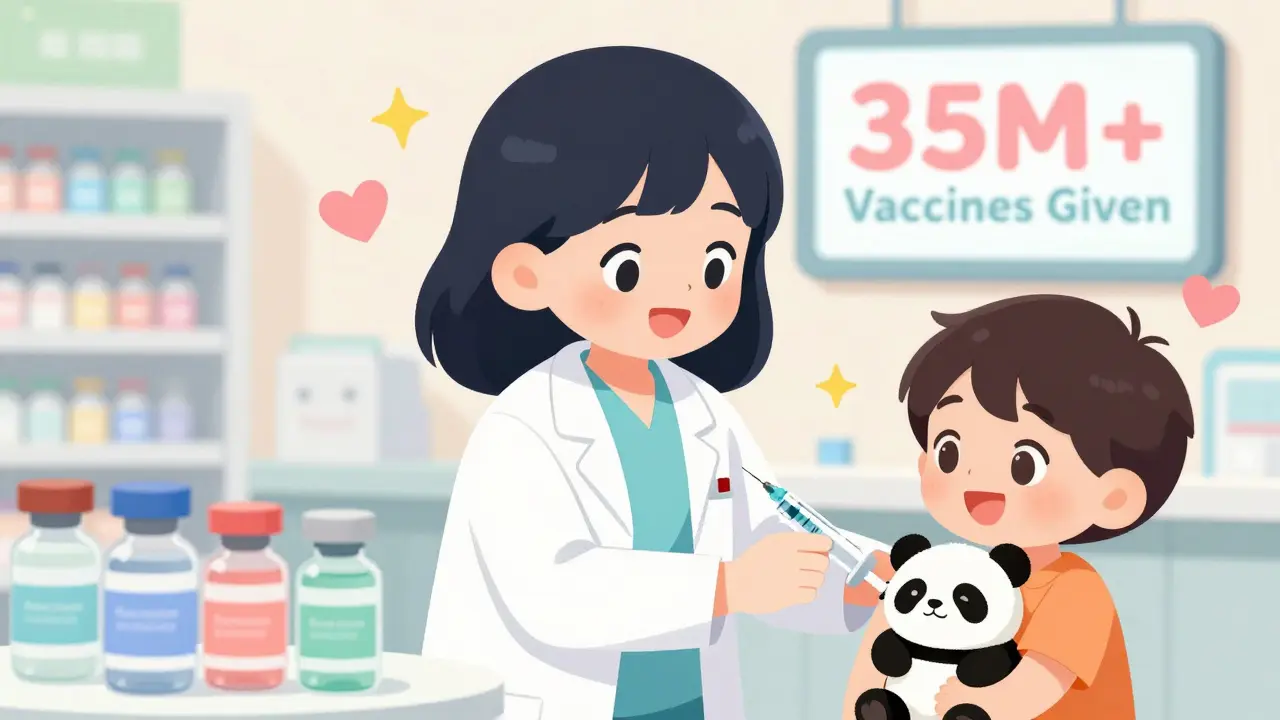
Twenty years ago, only nine states let pharmacists give vaccines. Today, every state, plus D.C. and Puerto Rico, allows it. That’s not just a legal change-it’s a cultural one. Patients now walk into their local pharmacy expecting to get a flu shot while picking up their blood pressure meds. In 2023, chain pharmacies alone administered over 35 million flu vaccines, making up nearly 38% of all adult flu shots given in the U.S. Community pharmacies now deliver about 32% of all adult influenza vaccinations, according to CDC data.
This growth didn’t happen because pharmacists asked for more work. It happened because they saw a gap. Most Americans live within five miles of a pharmacy. Pharmacies are open late, on weekends, and often without appointments. For working parents, seniors without transportation, or young adults who skip doctor visits, the pharmacy is the easiest place to get protected.
Training is now standard. Nearly all U.S. pharmacy schools include immunization certification in their curriculum. Most pharmacists complete 20-30 hours of coursework and hands-on practice through the American Pharmacists Association’s program. Many states require continuing education to keep that certification active. The result? Over 98% of new pharmacists are trained to vaccinate before they even step into a job.
Why Generic Prescriptions Matter
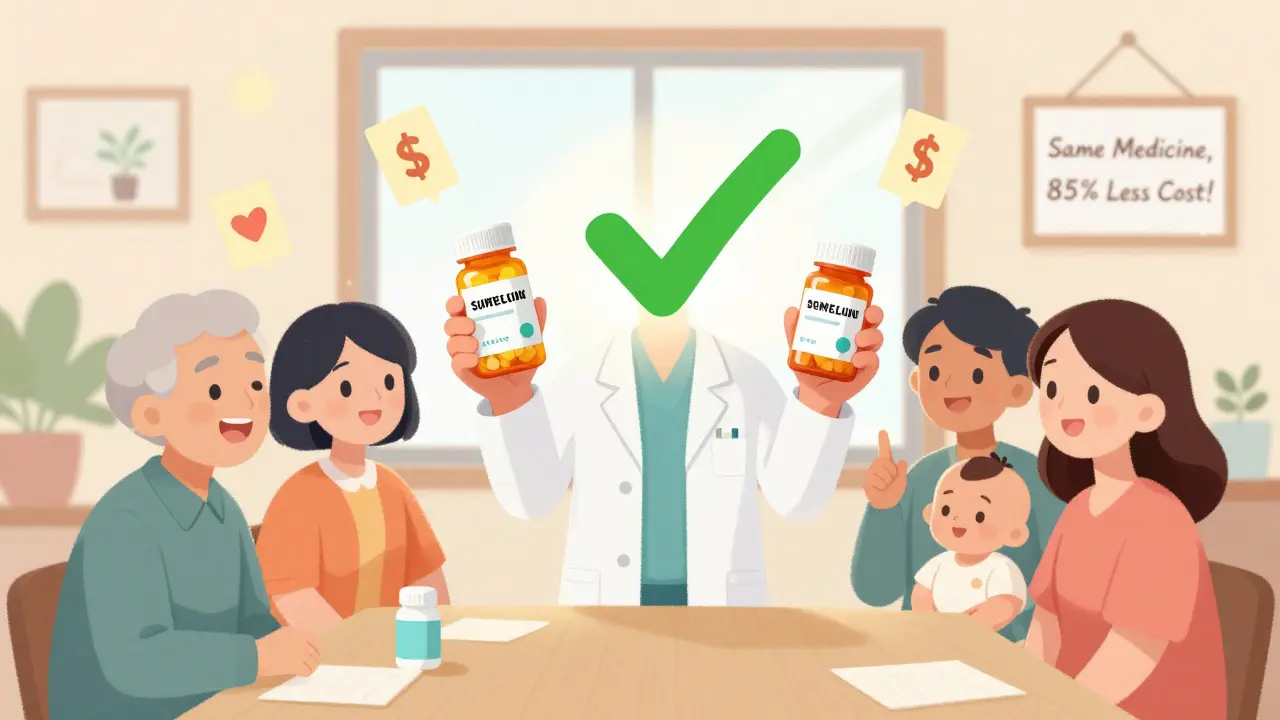
While vaccines grab headlines, pharmacists are equally vital in helping patients save money on daily medications. Generic drugs are chemically identical to brand-name versions but cost 80-85% less. Yet many patients still assume brand-name is better. Pharmacists are the ones who step in and explain the science.
Take a patient on a statin for cholesterol. The brand-name Lipitor might cost $300 a month. The generic atorvastatin? $10. A pharmacist doesn’t just fill the script-they ask, “Have you tried the generic?” They show patients how to read labels, compare prices at different pharmacies, and use discount programs. In California, pharmacists are legally allowed to suggest lower-cost alternatives and even initiate changes under collaborative practice agreements.
This isn’t just about saving dollars. It’s about adherence. When patients can’t afford their meds, they skip doses. When they skip doses, their blood pressure spikes, their diabetes worsens, and they end up in the ER. Pharmacists help break that cycle by making treatment affordable.
The Payment Problem
Despite all this progress, pharmacists are still underpaid for the services they provide. Medicare Part B reimburses pharmacies an average of $18 per flu shot. But the real cost-staff time, vaccine storage, training, supplies, and administrative work-runs closer to $25. That’s a $7 loss per vaccine. For independent pharmacies, which serve rural and low-income communities, that gap is unsustainable.
Pharmacy Benefit Managers (PBMs) make it worse. These middlemen control drug pricing and reimbursement, often forcing pharmacies to sell generics at a loss just to stay in network. A 2023 survey by the National Community Pharmacists Association found that 78% of independent pharmacists say PBM practices have hurt their ability to care for patients.
Even when insurance covers the vaccine, billing is a mess. Forty-two percent of patients reported trouble getting claims processed, often because the pharmacy’s system doesn’t sync with the insurer’s. One pharmacist in Ohio told a reporter she spent three hours on the phone one day just correcting billing errors for a single patient’s three shots.
State Laws Are a Patchwork
Pharmacists can give vaccines everywhere-but the rules vary wildly. In California, pharmacists can vaccinate anyone three and older. In Texas, they can’t give shots to kids under 18 without a doctor’s order. In some states, pharmacists can’t even administer the shingles vaccine to people under 65.
Reporting requirements are just as inconsistent. Thirty-four states demand that pharmacists report every vaccine to state registries within 72 hours. Sixteen states give them a week or more. That delay means doctors don’t always know what shots their patients got, leading to missed doses or double vaccinations.
Storage is another hidden cost. Vaccines must be kept between 36°F and 46°F. A single temperature spike can ruin an entire batch. The CDC reports that 12% of community pharmacies have lost vaccines to spoilage, costing an average of $1,200 per incident. Independent pharmacies, with fewer resources, bear the brunt of these losses.
Patients Trust Them
Here’s the surprising part: patients love it. Eighty-seven percent of people who get vaccines at pharmacies say convenience is the main reason they chose that route. On Reddit, threads like r/pharmacy are full of stories where pharmacists talked a hesitant teen into their first HPV shot or explained mRNA technology to an elderly patient scared of side effects.
One pharmacist in Minnesota shared how she spent ten minutes with a young man who thought vaccines caused autism. She showed him CDC data, walked him through how clinical trials work, and gave him a printed handout. He left with his flu shot-and a new understanding.
These aren’t one-off moments. Pharmacists spend an average of 7-10 minutes per patient discussing vaccines, answering questions, and addressing fears. That kind of time is rare in a 15-minute doctor’s visit. Pharmacists build trust by being there, consistently, without judgment.
What’s Next?
The push for change is growing. The American Pharmacists Association’s “Finish the Fight” campaign has gathered over 23,000 letters from pharmacists urging Congress to reform PBM practices. The CDC now targets a 25% increase in pharmacist-administered vaccines by 2025. Analysts predict that by 2026, pharmacists will give over half of all adult vaccines in the U.S.
But sustainability depends on two things: fair pay and better systems. Right now, Medicare reimburses only 87% of the actual cost of vaccine delivery. If that doesn’t improve, more pharmacies-especially independents-will have to cut services or close.
Electronic health record integration is another missing piece. Only 62% of pharmacies can automatically send vaccine records to state registries. That means doctors, hospitals, and clinics often don’t know what shots patients received. The American Society of Health-System Pharmacists says integrated systems are essential-and 89% of pharmacists agree.
Right now, 48 states are considering bills to expand pharmacists’ roles even further-some to allow them to prescribe certain medications, others to let them order lab tests. The future of pharmacy isn’t just about pills. It’s about prevention, access, and keeping people healthy before they get sick.
Why This Matters
Pharmacists are the most accessible healthcare providers in America. They’re in strip malls, downtowns, and small towns where doctors are scarce. They don’t need appointments. They’re open when clinics are closed. They’re the ones who notice when a patient hasn’t filled a prescription in months. They’re the ones who catch when a drug interaction could be dangerous.
Immunizations and generic prescriptions aren’t just services they offer-they’re tools of equity. When a single mom can get her kids vaccinated on her way home from work, or a retiree on a fixed income gets their blood pressure med for $5 instead of $150, that’s not just convenience. That’s healthcare working the way it should.
Pharmacists didn’t wait for permission to step up. They saw a need and filled it-with training, with persistence, and with quiet, daily advocacy. The system still has cracks. But the people working in those pharmacies? They’re not waiting for the system to fix itself. They’re fixing it, one shot, one generic script, one conversation at a time.
Can pharmacists give all types of vaccines?
Pharmacists can administer most CDC-recommended vaccines, including flu, shingles, pneumonia, and COVID-19. But state laws vary. Some states restrict pharmacists from vaccinating children under 18 or require a physician’s order for certain vaccines like HPV or meningococcal. Always check your state’s regulations.
Are generic drugs really as effective as brand-name drugs?
Yes. The FDA requires generics to have the same active ingredients, strength, dosage form, and route of administration as brand-name drugs. They must also meet the same strict standards for purity and performance. The only differences are in inactive ingredients like fillers or colorings, which don’t affect how the drug works.
Why do pharmacies sometimes charge more for generics than expected?
Pharmacy Benefit Managers (PBMs) often set reimbursement rates that force pharmacies to sell generics at a loss to stay in network. Some pharmacies may charge more out-of-pocket to offset those losses. Always ask if the pharmacy has a discount program or if you can use a coupon through GoodRx or SingleCare.
How do I know if my pharmacy is reporting my vaccine to the state?
Ask the pharmacist. Most states require pharmacies to report vaccines to immunization registries within 72 hours. You can also check your state’s public health website for your immunization record. If your record isn’t there after a week, contact the pharmacy to confirm they submitted it.
Can pharmacists prescribe medications?
In some states, pharmacists can prescribe under collaborative practice agreements or standing orders-for things like birth control, smoking cessation, or travel vaccines. But they can’t write prescriptions for antibiotics or controlled substances without a doctor’s involvement. Scope of practice varies by state, so check local laws.

Comments
pharmacists giving shots? cool i guess. but why should i trust some guy in a white coat with a needle when my doctor's been doing this for 20 years? 🤷♂️
you people dont understand how broken the system is. in india we dont even have basic access to generics because of corporate monopolies. pharmacists here are heroes but in the us its just another profit center masked as healthcare. stop romanticizing capitalism.
my pharmacist gave me the shingles shot last week and we talked for 20 mins about my anxiety around vaccines 😭 she gave me a sticker and a hug. i cried. this is the kind of care we need. 🤍💉
The data presented is largely accurate. Community pharmacies administer approximately 38% of adult influenza vaccinations in the United States, per CDC reports. Generic drug cost savings range from 80% to 85%, as confirmed by FDA equivalence standards. However, reimbursement rates remain critically underfunded, with Medicare paying an average of $18 per vaccine while actual cost exceeds $25. This structural deficit threatens the sustainability of independent pharmacies, particularly in rural areas.
Pharmacists are not doctors. They dont have the training. They should stick to filling scripts. Let the medical professionals handle vaccines and prescribing. This is just another step toward the erosion of medical authority
imagine if we just paid pharmacists properly instead of making them beg for $7 per shot. the system is broken but the people? theyre doing their best. honestly its kind of beautiful in a sad way
vaccines are a government scam. the real reason pharmacists give them is because the CDC pays them to push them. you think they care about your health? they care about their quarterly numbers. and generics? same thing. the FDA is in bed with big pharma. dont believe the hype
I had a pharmacist tell me my blood pressure med was cheaper as a generic. I didn't believe her. I checked. She was right. $147 down to $12. I cried. Not because I was poor. Because I realized how broken this system is that I had to be told by a pharmacist that I was being overcharged by my own insurance.
One must question the epistemological foundations of pharmacists assuming clinical authority. The training is fundamentally insufficient for diagnostic decision-making, and the delegation of such responsibilities undermines the Hippocratic ethos. Furthermore, the logistical inefficiencies of state-by-state regulatory fragmentation are an affront to coherent public health infrastructure.
bro my pharmacist knows my whole family’s meds. he remembers my grandma’s name. he gave me a lollipop after my flu shot. 🤝💊 this is what healthcare should look like. not 7 minutes with a doctor who’s on their 5th patient of the hour
This is the most absurd thing I’ve ever heard. Pharmacists prescribing? Next they’ll be doing MRIs and writing death certificates. The regulatory chaos is unacceptable. We need licensed physicians, not retail clerks playing doctor.
Pharmacists are the unsung superheroes of the healthcare universe. They’re the ones who catch the deadly drug interaction your GP missed, who talk you down from panic about side effects, who remember your kid’s name and ask how soccer went. They’re not just filling scripts-they’re stitching the fraying fabric of community care. Let’s pay them like the frontline warriors they are.