
Nocebo Risk Estimator
Discover how your psychological factors might influence your experience of medication side effects. This tool estimates your nocebo risk based on evidence-based factors.
Your Risk Factors
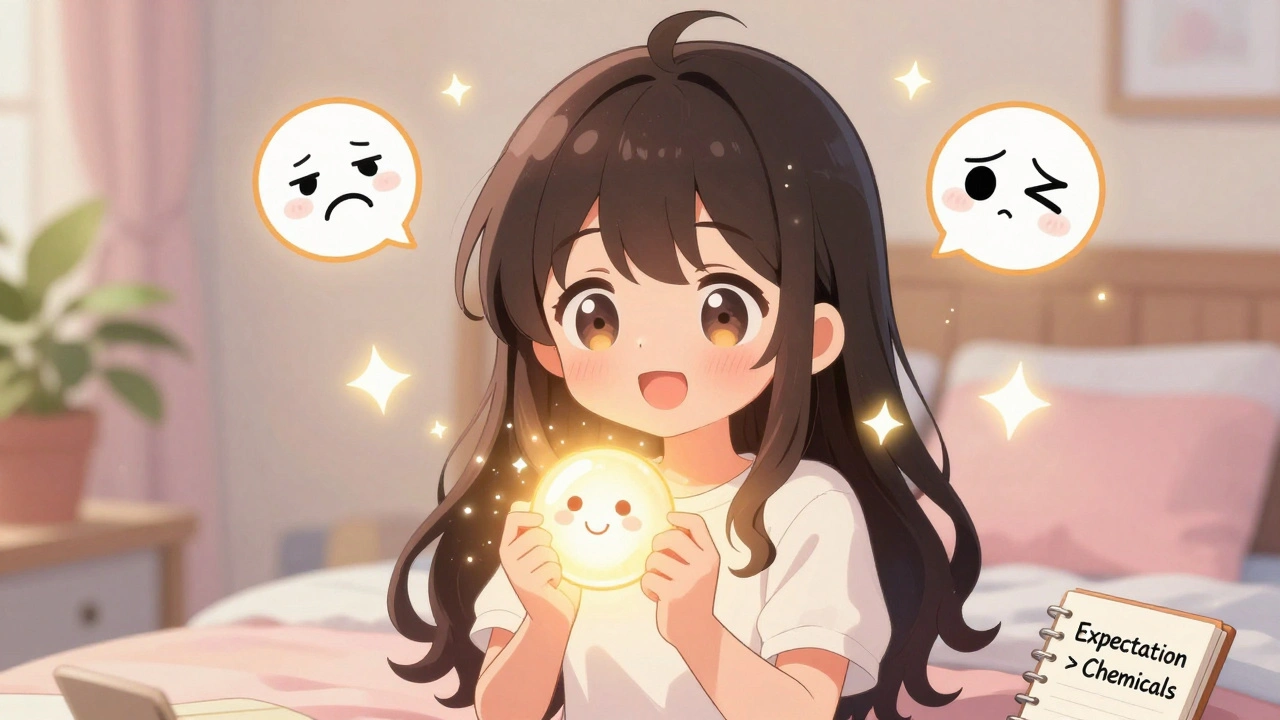
When you take a pill, your body doesn’t just react to the chemicals inside it. It also reacts to what you expect will happen. That’s the hidden force behind many side effects you think are caused by the drug - but might actually be caused by your mind.
Imagine you’re in a clinical trial for a new migraine medication. You get a pill. It’s sugar. No active ingredient. But you’re told it might cause nausea, dizziness, and fatigue. A few hours later, you feel nauseous. You’re sure the drug is working - or at least, causing problems. Except it wasn’t the drug. It was your expectation. That’s the nocebo effect.
And here’s the twist: the opposite is also true. If you believe a pill will help, even if it’s fake, you often feel better. That’s the placebo effect. Both are real. Both are powerful. And together, they shape how we experience medicine - more than most doctors or patients realize.
What Exactly Is the Nocebo Effect?
The word ‘nocebo’ comes from Latin: ‘I shall harm.’ It was coined in 1961 to describe the flip side of the placebo effect. Where placebo makes you feel better because you expect it, nocebo makes you feel worse because you expect it.
Studies show that in clinical trials, between 50% and 76% of reported side effects happen in the placebo group. That means people who took nothing but a sugar pill still reported headaches, fatigue, stomach pain, dizziness - the exact side effects listed for the real drug.
One of the most striking examples came from the COVID-19 vaccine trials. In some studies, up to 76% of people who got a saline injection (not the vaccine) reported symptoms like headache and tiredness - symptoms they were told were common with the real shot. Their bodies reacted to the idea of side effects, not the vaccine.
It’s not just about feeling bad. Nocebo effects trigger real biological changes. Research shows they can raise cortisol levels by 15-25%, increase heart rate by 5-10 beats per minute, and even alter immune responses. These aren’t ‘in your head’ in the dismissive sense. They’re measurable, physical reactions driven by brain activity in areas like the anterior cingulate cortex and the insula - regions tied to pain, fear, and stress.
How Do Placebo Effects Compare?
Placebo effects are often seen as the good version of this phenomenon. They can reduce pain, improve mood, lower blood pressure, and even help with conditions like irritable bowel syndrome and depression - all without any active drug.
But here’s what most people don’t know: the nocebo effect is stronger. A 2025 study published in eLife Sciences found that negative expectations caused more intense and longer-lasting symptoms than positive expectations did. While placebo effects stayed steady over time, nocebo effects didn’t fade. They stuck around.
Think of it like this: if you believe a treatment will help, you might feel a little better. But if you believe it will hurt you, you’ll feel a lot worse - and it’ll last longer.
Placebo effects are usually tied to specific conditions. For example, if you’re told a pill will calm your stomach, you might get relief - but only if your issue is digestive. If you’re told it’ll lower your blood pressure, it might - but only if you’re focused on that. Nocebo effects, on the other hand, are more general. They can create symptoms across the board: headaches, fatigue, nausea, muscle aches - even if the drug has nothing to do with those systems.
Why Do Nocebo Effects Happen?
Nocebo effects don’t come out of nowhere. They’re triggered in three main ways:
- Verbal suggestions - When a doctor says, ‘This drug can cause nausea, dizziness, and fatigue,’ you’re wired to notice those symptoms. Studies show this accounts for 70-80% of nocebo responses.
- Observational learning - You hear someone else say, ‘I got really sick from this pill,’ and your brain starts preparing for the same outcome.
- Prior negative experiences - If you had a bad reaction to a drug before, even a different one, your body learns to expect the worst.
It’s not just what’s said - it’s how it’s said. Telling a patient, ‘3% of people get nausea,’ sounds small. But saying, ‘Three out of every 100 people feel sick,’ makes it feel more real. Research shows using absolute numbers instead of percentages reduces nocebo responses by 15-25%.
Even medication leaflets are part of the problem. They list every possible side effect - even ones that happen in 1 in 10,000 people. That’s not transparency. It’s a nocebo factory. Patients read them, get anxious, and then start feeling those symptoms - even before they take the pill.
Who’s Most Likely to Experience Nocebo Effects?
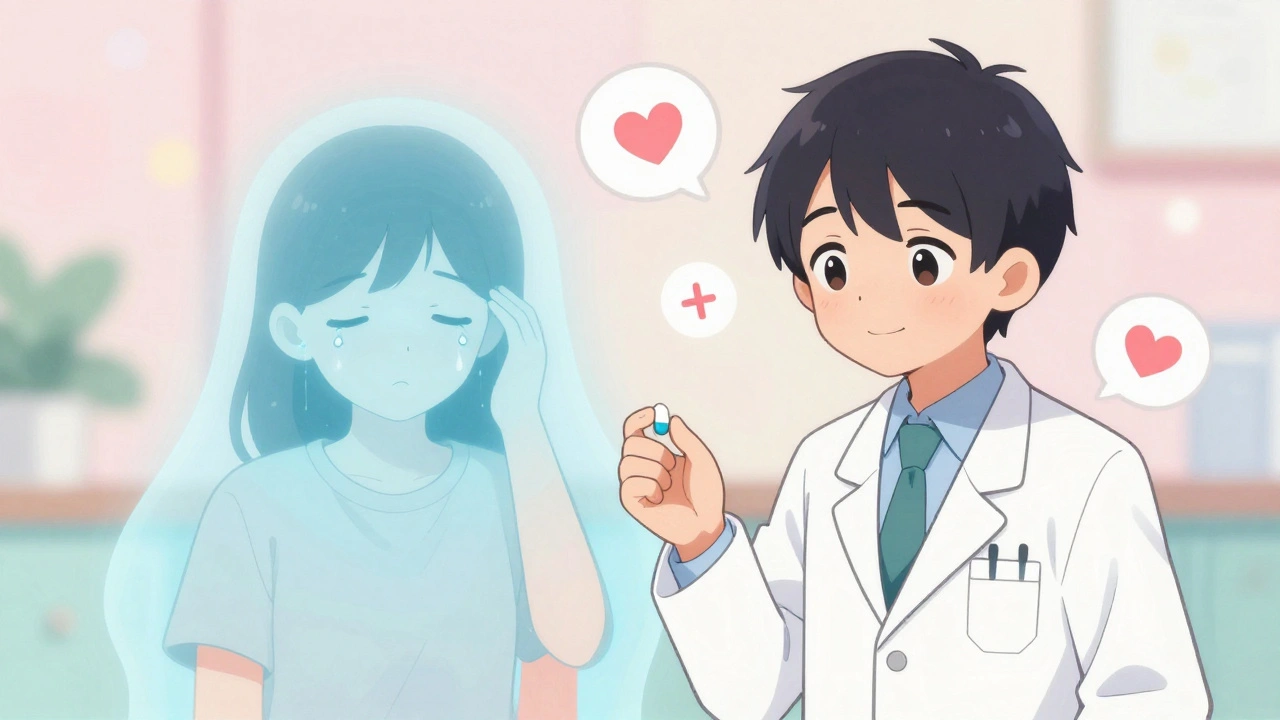
Not everyone reacts the same way. Some people are far more vulnerable. Studies point to three key risk factors:
- Anxiety disorders - People with anxiety are 2.3 times more likely to experience nocebo effects.
- Catastrophizing - Those who tend to expect the worst in medical situations are 2.8 times more susceptible.
- Previous bad experiences - If you’ve had a negative reaction to a medication before, your risk jumps 3.1 times.
It’s not about being ‘weak-minded.’ It’s about how your brain processes threat. If your nervous system is primed to expect harm, it will find it - even when none exists.
And it’s not just in trials. In real life, chronic pain patients report that 68% of their side effects disappeared once they learned they were taking a placebo. That’s not imagination. That’s the power of expectation.
What Does This Mean for Patients?
If you’ve ever stopped taking a medication because you thought the side effects were too bad - you might have been reacting to the nocebo effect, not the drug.
Take antidepressants. Many people quit because they feel worse at first - fatigue, nausea, dizziness. But those are also common side effects of placebos in trials. In fact, 25-35% of people who stop antidepressants do so because of side effects that turn out to be nocebo-driven.
The same goes for migraine meds, blood pressure drugs, and even statins. People report muscle pain, brain fog, or stomach upset - symptoms that are often listed as common side effects. But when researchers compare those symptoms to placebo groups, they find nearly identical rates.
That doesn’t mean the drug is harmless. Some side effects are real. But it does mean that a big chunk of what we blame on the medicine might be coming from our own expectations.
The result? Unnecessary doctor visits. Extra pills to treat side effects. And worse - people stopping treatments that could actually help them.
What Can Doctors Do About It?
Doctors aren’t ignoring this. More are learning how to talk about side effects without triggering them.
One approach is called ‘expectation reframing.’ Instead of saying, ‘This drug causes headaches in 20% of people,’ a trained provider might say, ‘Most people don’t get headaches. But if you do, it’s usually mild and goes away in a few days. Many people feel better within a week.’
Another tactic is the ‘open-label placebo’ - where patients are told outright they’re getting a sugar pill, but are also told, ‘Placebos can still help because your brain responds to treatment.’ In studies on irritable bowel syndrome and chronic pain, this approach led to 25-35% symptom improvement - even with no active drug.
Some clinics now use digital tools that scan patient history for anxiety, past negative reactions, or catastrophizing tendencies. These systems flag high-risk patients so doctors can adjust how they explain risks - reducing nocebo responses by up to 40%.
And it’s not just about words. The tone, body language, and even the way a pill is handed out matter. A calm, confident delivery reduces fear. A rushed, worried tone increases it.
The Bigger Picture: Why This Matters
This isn’t just a psychological curiosity. It’s costing billions.
In the U.S. alone, nocebo effects lead to $1.2 billion in unnecessary healthcare spending each year - extra doctor visits, lab tests, and medications to treat side effects that weren’t real. Pharmaceutical companies spend $50-75 million per drug just to design patient information that minimizes nocebo responses.
Regulators are taking notice. The European Medicines Agency now requires nocebo effect analysis in drug approvals. The FDA is developing statistical models to separate true drug side effects from nocebo ones - because if you don’t, you might reject a good drug just because too many people think it’s causing problems.
And the future? AI tools are being tested to analyze how patients speak during consultations - detecting signs of anxiety or catastrophizing with 82% accuracy. Genetic research is also looking at the COMT gene, which appears to make some people 2.5 times more likely to experience nocebo effects.
By 2025, new guidelines will likely require drug companies to report nocebo response rates alongside efficacy data. That means the side effect numbers you see on labels won’t just be ‘what the drug causes’ - they’ll be ‘what the drug causes plus what your mind adds.’
What You Can Do
If you’re starting a new medication:
- Ask your doctor: ‘What percentage of people actually get this side effect?’
- Don’t read the full leaflet before taking the pill. Read it after - or ask your pharmacist to summarize the most common ones.
- Remind yourself: feeling bad doesn’t always mean the drug is working - or even causing it.
- If you feel side effects, wait a few days. Many fade on their own.
- Don’t assume you’re ‘sensitive’ to medication. You might just be sensitive to the idea of side effects.
If you’ve stopped a medication because of side effects, talk to your doctor. You might have been reacting to the nocebo - not the drug. And that’s something you can change.
The truth is, your mind is always part of your treatment. Whether you realize it or not. The goal isn’t to ignore it. It’s to understand it - and use it to your advantage.
Are placebo and nocebo effects real, or just in people’s heads?
They’re real - not imaginary. Nocebo effects trigger measurable biological changes like increased cortisol, higher heart rate, and altered brain activity. Placebo effects can reduce pain, improve mood, and even affect immune responses. Both are physical responses driven by expectation, not deception.
Can you get side effects from a sugar pill?
Yes. In clinical trials, 50-76% of reported side effects occur in placebo groups. People report headaches, nausea, fatigue, and dizziness - exactly matching the side effects of the real drug they were told about. The body reacts to the expectation of harm, not the chemical.
Why do some people get nocebo effects and others don’t?
People with anxiety, past negative medical experiences, or a tendency to catastrophize are 2.3 to 3.1 times more likely. It’s not about being ‘weak’ - it’s about how your brain processes threat. Your nervous system becomes primed to expect harm, so it finds it.
Can doctors reduce nocebo effects?
Yes. Using absolute numbers instead of percentages (e.g., ‘3 out of 100’ vs. ‘3%’), focusing on positive outcomes, and using calm, confident communication can reduce nocebo responses by 15-40%. Some clinics now use AI tools to predict who’s at risk and tailor their messaging.
Does this mean my medication isn’t working?
No. It means some of the side effects you’re feeling might not be from the drug. That doesn’t mean the drug isn’t helping - or that your symptoms aren’t real. It just means your brain is playing a role. Talk to your doctor to separate what’s drug-related from what’s expectation-related.
Are nocebo effects only a problem in clinical trials?
No. They happen in everyday care too. Patients stop taking statins, antidepressants, or blood pressure meds because they think they’re causing side effects - even when studies show those symptoms appear just as often in placebo groups. This leads to unnecessary visits, extra prescriptions, and worse health outcomes.

Comments
The data here is solid but the framing is dangerously naive. 76% of placebo side effects? That’s not psychology - that’s systemic medical manipulation. Doctors know this. Pharma knows this. And they still list every possible side effect on leaflets like it’s a legal shield. It’s not transparency - it’s fearmongering disguised as informed consent.
And don’t get me started on ‘open-label placebos.’ You’re telling patients they’re getting sugar pills and still expecting them to heal? That’s not medicine - that’s performance art with a white coat. If your treatment only works when the patient is tricked, maybe the treatment is the problem.
This isn’t about the mind influencing the body. It’s about a broken system using the mind as a scapegoat to avoid accountability for toxic drugs.
Next they’ll say depression is just ‘negative thinking’ and cut SSRIs because ‘patients imagined the benefits.’
Y’all really believe the government and Big Pharma aren’t *using* this to gaslight us? They *want* you to think your side effects are ‘all in your head’ so they can keep selling you poison. The nocebo effect? More like the NOCEBO CONTROL EFFECT. They scare you into thinking the pill is the villain so you don’t ask why the pill even exists.
My cousin took statins and got muscle pain. Doctor said ‘it’s psychological.’ She stopped. Two weeks later she had a heart attack. Coincidence? Or did the system gaslight her into dying so they could sell her a stent?
Wake up. This isn’t science. It’s control.
I love this so much honestly
My grandma took blood pressure meds and kept saying she felt dizzy and tired but when she found out it was a placebo in a trial she felt fine the next day
It’s wild how much our brains can do
And honestly I think we should all be nicer when we talk about side effects because people are scared and their fear is real even if the cause isn’t the pill
Also I just started a new med and I’m not reading the leaflet till I’ve been on it for a week 😅
mind over matter is real but it’s not magic it’s biology
Let’s be real - this entire discussion is missing a huge piece of the puzzle: the role of chronic stress and allostatic load. The nocebo effect doesn’t exist in a vacuum. If you’re already running on cortisol overload from work, financial stress, or trauma, your nervous system is primed for hypervigilance. That means you’re not just ‘expecting’ side effects - your body is in a state of anticipatory threat modulation, which lowers the threshold for symptom perception across multiple systems.
Studies from the 2010s show that people with high Adverse Childhood Experiences (ACE scores) report 2.7x more nocebo symptoms even when controlling for anxiety. This isn’t about ‘negative thinking’ - it’s about a dysregulated stress response system that’s been conditioned by years of instability. The pill is just the trigger, not the source.
And that’s why ‘reframing’ only works for some. If your baseline stress is through the roof, telling you ‘most people don’t get headaches’ is like telling someone in a burning building ‘most people survive fires.’ It’s technically true, but it doesn’t change the heat.
We need to treat the stress, not just the script.
This hit me hard because I’ve been there. I was on antidepressants for six months and quit because of the ‘brain fog’ and nausea. I felt like I was losing myself.
Then I read a study that said those exact symptoms were just as common in placebo groups. I went back to my doctor, asked if I could try again - but this time, with full awareness that my mind might be amplifying things.
I stayed on it. The fog lifted after three weeks. Not because the drug ‘fixed’ me - but because I stopped fighting my own expectations.
It’s not about being weak. It’s about learning how your brain talks to your body. And honestly? That’s one of the most powerful tools in medicine. We just never teach it.
If you’re scared, you’re not crazy. You’re just human. And your mind isn’t your enemy - it’s just been misinformed.
Classic Western medical propaganda. The nocebo effect is a convenient myth to absolve pharmaceutical corporations of liability. In Nigeria, where I lived for five years, patients report side effects that are *not* listed in the leaflets - because the leaflets are designed for Western populations. The placebo group in Western trials doesn’t reflect global physiology.
Also, the COMT gene study? It’s funded by Big Pharma. The real issue is that drugs are overprescribed to populations with poor nutrition, sleep deprivation, and environmental toxins - and then the symptoms are blamed on ‘expectation.’
Stop pathologizing the patient. Start investigating the poison.
India has been using mind-body healing for 5000 years and now some white guys in labs are calling it ‘nocebo’ like its some new discovery? LOL
Yoga and meditation cure more side effects than any pill ever will. Why do you think Ayurveda never had this problem? Because they never told people what could go wrong - they told them how to be strong.
Also, why are you giving sugar pills to people who are already sick? That’s not science - that’s disrespect.
Western medicine is so obsessed with pills they forgot the mind is the original medicine.
And btw, the FDA is just protecting pharma. They don’t care about you.
I’ve been thinking about this a lot since my mom started a new medication last year. She’s anxious by nature, and the doctor listed every possible side effect - even ones that happen once in a million cases. She came home terrified. She didn’t even take the pill yet and she was already complaining of headaches.
We sat down and talked. I asked her what she was most afraid of. She said she didn’t want to feel ‘out of control.’ So we talked about what control actually means - and how her body was already doing so much right.
She took the pill. No side effects. Not because it didn’t have them - but because she stopped expecting them.
It’s not magic. It’s just… quieting the noise. Maybe that’s the real treatment.
One of the most important conversations in modern medicine and nobody’s talking about it properly.
I’ve trained nurses on this for years - how to deliver side effect info without triggering panic. The difference between saying ‘3% get nausea’ and ‘most people feel fine, but if you do feel sick, it’s usually mild and passes in a day’ is night and day.
One patient told me last month: ‘I didn’t think the pill was working until I realized I hadn’t felt dizzy in three days.’ She didn’t even notice the improvement because she was waiting for the bad stuff.
It’s not about lying. It’s about framing. We don’t need to sugarcoat - we need to humanize.
And if you’re a patient? Don’t read the leaflet before you start. Read it after. Or better yet - ask your pharmacist to tell you the top three things to watch for. That’s all you need.
You people are delusional. The nocebo effect is just an excuse for doctors to ignore real side effects. If you think your body is just reacting to ‘expectation,’ then why do some drugs have side effects that only appear after 6 months? Why do people get liver failure from statins? That’s not psychology - that’s toxic chemistry.
And open-label placebos? That’s not medicine - it’s fraud. You’re giving someone a sugar pill and calling it treatment? What’s next? Charging people for ‘positive thinking’ sessions?
Stop pretending the mind is the enemy. The real enemy is the industry that sells you poison and then blames you for feeling sick.
And if you’re taking antidepressants and feel worse - STOP. Don’t listen to this pseudoscience. Your body is telling you something. Listen to it.