
Key Takeaways
- Alcohol and sleep meds don't just add up; they multiply sedation effects, increasing the risk of fatal overdose.
- "Z-drugs" like Ambien are particularly dangerous, significantly increasing the risk of sleep-driving and memory loss.
- Even one standard drink can dangerously extend the half-life of certain sleep medications.
- Adults over 65 face a 300% higher risk of falls when mixing OTC sleep aids with alcohol.
- The safest window is at least 6 to 12 hours of alcohol abstinence before taking these medications.
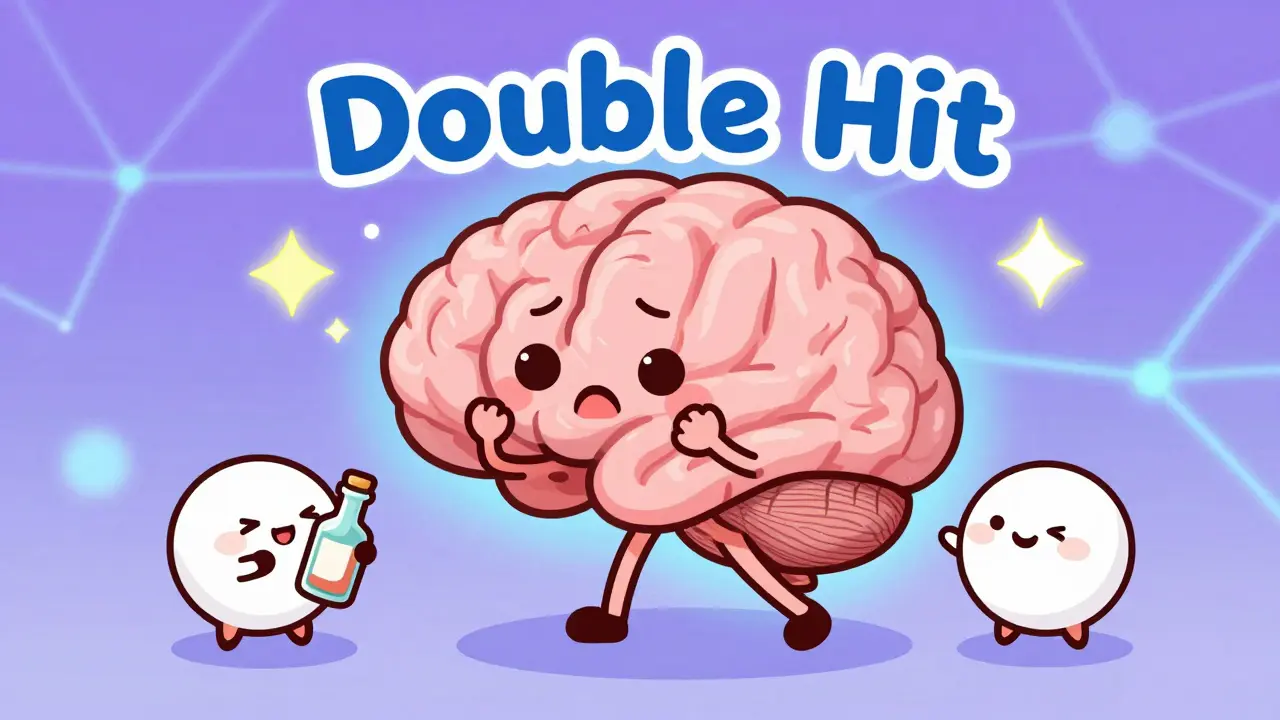
The Science of the "Double Hit"
To understand why this is so dangerous, we have to look at how your brain handles sedation. Both alcohol and most sleep medications target GABA is the primary inhibitory neurotransmitter in the central nervous system that reduces neuronal excitability receptors. When you take a sleep aid, it tells your brain to slow down. When you add alcohol, it doesn't just add more "slow down" signals; it actually makes the medication work more powerfully. This is called potentiation.
This interaction happens in part because of the Cytochrome P450 system is a group of enzymes in the liver, specifically CYP3A4, responsible for metabolizing a vast array of medications and toxins . Since alcohol and sleep meds often fight for the same metabolic pathways, your liver can't process the medication as quickly. This leads to a spike in the drug's concentration in your bloodstream. For example, a single drink can push the half-life of certain meds from a manageable 2.5 hours to over 6 hours, meaning the drug stays active in your system far longer than intended.
Breaking Down the High-Risk Categories
Not all sleep aids are created equal, but almost all of them react poorly with alcohol. We can group them into three main buckets based on their risk profiles.
The Z-Drugs (Nonbenzodiazepines)
Z-drugs are a class of sedative-hypnotic medications including zolpidem (Ambien), eszopiclone (Lunesta), and zaleplon (Sonata) represent the most acute danger. These are designed to hit specific receptors quickly to knock you out. However, when combined with alcohol, they are linked to "complex sleep behaviors." This means you might cook a meal, drive a car, or have a full conversation while completely unconscious. Data shows that the risk of these behaviors jumps from 0.15% with the drug alone to 2.4% when alcohol is added.
Benzodiazepines
Benzodiazepines are a class of psychoactive drugs like lorazepam (Ativan) and temazepam (Restoril) used to treat anxiety and insomnia . While they may not cause as many "zombie-like" activities as Z-drugs, they cause massive cognitive and motor impairment. In simulator tests, users mixing these with alcohol showed nearly double the impairment in driving ability compared to alcohol alone.
OTC Antihistamine Sleep Aids
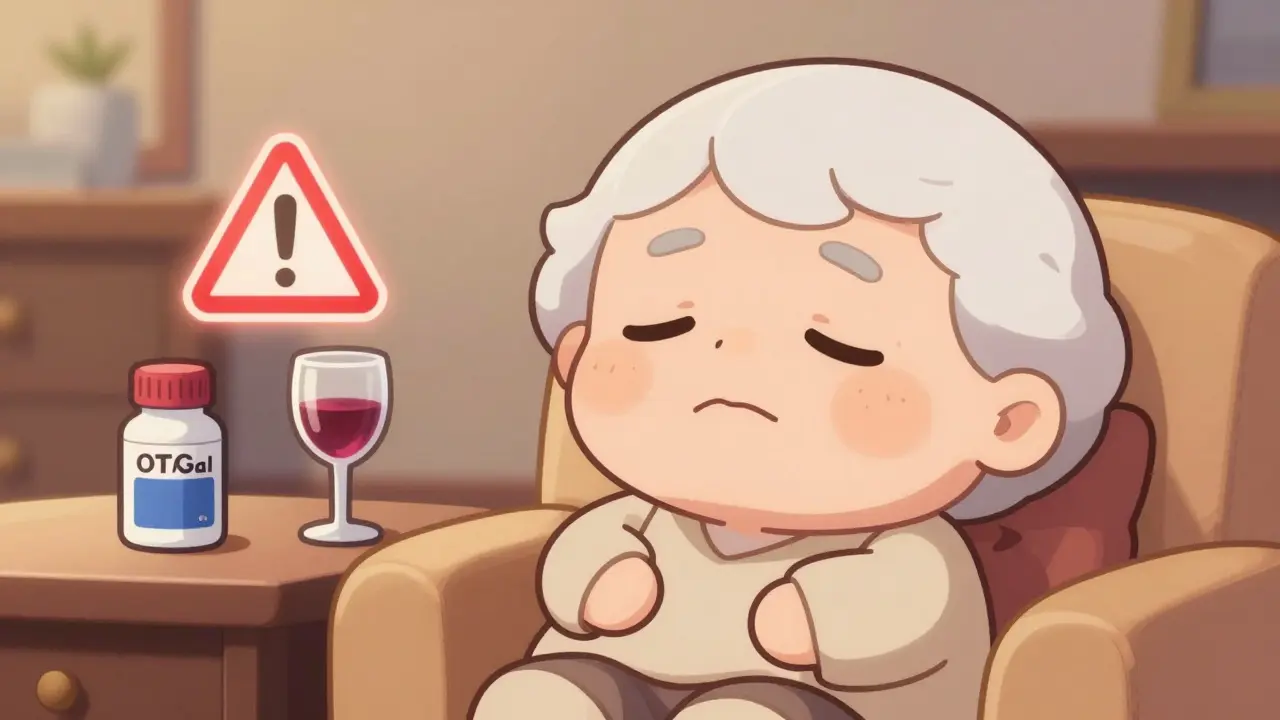
You might think the stuff you buy over the counter is safe, but that's a mistake. Diphenhydramine is an antihistamine found in products like ZzzQuil that crosses the blood-brain barrier to cause sedation . When older adults mix these with alcohol, the risk of delirium increases by 400%. This often manifests as severe disorientation that requires emergency hospitalization.
| Medication Class | Primary Danger | Key Example | Risk Level |
|---|---|---|---|
| Z-Drugs | Complex sleep behaviors / Amnesia | Zolpidem (Ambien) | Critical |
| Benzodiazepines | Severe motor impairment / Respiratory depression | Temazepam (Restoril) | High |
| OTC Antihistamines | Falls / Delirium (especially in seniors) | Diphenhydramine | Moderate to High |
| Melatonin | Increased next-day drowsiness | Natrol / Nature Made | Low |
The Physical Danger: Respiratory Depression
The most terrifying aspect of this interaction isn't sleep-walking-it's the risk of simply stopping breathing. This is known as respiratory depression. Both substances signal the brain to relax the muscles used for breathing. When combined, your respiratory rate can plummet. In one study, patients taking eszopiclone (Lunesta) with a blood alcohol concentration (BAC) of 0.08% saw their breathing drop from 16 breaths per minute to just 9.3. Their oxygen saturation also dipped to about 84%, which is dangerously low.
What's even more surprising is that you don't need to be "drunk" for this to happen. Medical autopsies of fatal interactions show that many people died with a BAC of around 0.05%-well below the legal driving limit. This means that even a modest amount of alcohol can be the tipping point that leads to a fatal overdose when combined with a prescription sedative.
Vulnerable Populations and Real-World Effects
While anyone can be affected, two groups are at particularly high risk: adults aged 35-54 and seniors over 65. The 35-54 demographic makes up over half of the emergency room visits for these interactions, likely due to the high pressure of mid-life stress leading to simultaneous use of alcohol to "wind down" and meds to "stay asleep."
For seniors, the danger is physiological. As we age, our liver function declines. This means alcohol and sedatives stay in the system 40-60% longer. A dose that might have been safe at age 40 can become toxic at age 70. This is why Medicare data shows a massive spike in hip fractures among seniors who mix OTC sleep aids with alcohol-their balance and coordination are almost completely wiped out.
How to Manage Your Sleep Safely
If you struggle with insomnia but also consume alcohol, the first rule is absolute: alcohol and sleep medications should never be taken at the same time. If you've had a drink, you must wait for the alcohol to clear your system before taking your medication.
- For Z-Drugs: Wait at least 6 hours after your last drink before taking the medication.
- For Benzodiazepines: Give it at least 12 hours.
- For Seniors: Complete avoidance of alcohol is the only safe recommendation when using any sedative.
If you find it impossible to stay sober before bed, talk to your doctor about newer alternatives. Some newer drugs, like orexin receptor antagonists (e.g., Dayvigo), don't target the GABA system and have a much lower interaction profile with alcohol. They don't increase the drug's half-life nearly as much as the older "Z-drugs" do, making them a potentially safer option for those who cannot strictly abstain.
Can I take a "half-dose" of Ambien if I've only had one glass of wine?
No. Even one standard drink can amplify the effects of zolpidem. Studies show that BACs as low as 0.02% can significantly increase the drug's half-life and increase the risk of complex sleep behaviors like sleep-driving.
Is Melatonin safer to take with alcohol?
Generally, yes. Melatonin is a hormone supplement and doesn't interact with the GABA system the way prescription sedatives do. While it might make you feel more groggy the next morning, it doesn't carry the same risk of respiratory failure or amnesia.
What should I do if I accidentally mixed a sleep aid and alcohol?
If you are experiencing extreme drowsiness, difficulty breathing, or confusion, seek emergency medical help immediately. Do not attempt to drive yourself. If you are with someone, monitor their breathing and keep them awake until help arrives.
Why do Z-drugs cause more "sleep-walking" than other meds?
Z-drugs have a very specific way of binding to receptors that can "detach" the brain's conscious control from its motor functions. Alcohol enhances this effect, making it more likely that you'll perform complex actions without being awake.
Are OTC sleep aids really that dangerous?
For young, healthy adults, the risk is lower than with prescriptions, but for older adults, it is severe. The combination of diphenhydramine and alcohol is linked to a 400% increase in delirium risk for those over 65.
Next Steps for Better Sleep
If you are relying on a combination of alcohol and medication to get through the night, it's time to change the strategy. Start by tracking your alcohol intake and sleep quality in a journal for one week. Take this data to your doctor and ask about Cognitive Behavioral Therapy for Insomnia (CBT-I), which is now recommended as the first-line treatment for chronic sleep issues, especially for those who drink. This approach fixes the root cause of wakefulness without the dangerous chemical risks of sedatives.

Comments
The potentiation of GABAergic receptors here is a textbook example of synergistic toxicity. It's wild how the CYP3A4 enzyme competition creates such a volatile pharmacokinetic profile, effectively turning a standard therapeutic dose into a precarious overdose scenario.
Basically common sense. Anyone with a brain knows not to mix booze and pills, so why are we acting like this is some groundbreaking revelation?
Actually, people love to ignore the warnings because they think their 'tolerance' saves them. Newsflash: your liver doesn't care about your ego 🙄. The science is clear and if you ignore it, you're just asking for a trip to the ER 🚑🤡
The sheer volatility of the respiratory depression mentioned here is absolutely terrifying!!! Imagine the metabolic cascade failure occurring while you're totally oblivious!!! Truly a nightmare scenario!!!
There is a profound existential tragedy in the way we attempt to chemically regulate our consciousness to escape the stresses of modern existence. By modulating our neurochemistry through exogenous GABA agonists while simultaneously introducing ethanol, we aren't just risking our physiology, but essentially fragmenting our very awareness of the self during those complex sleep behaviors.
It is frankly laughable that we are just now discussing the inherent dangers of these substances when the pharmaceutical industry has been pushing these 'Z-drugs' for years despite knowing the propensity for parasomnia, and I honestly think the focus on the 35-54 demographic is a convenient way to ignore the systemic failure of healthcare providers who prioritize quick fixes over long-term holistic wellness, and don't even get me started on the absurdity of thinking a 'half-pill' is a safe compromise when the biochemical reality is that your system is already compromised by the alcohol, making the entire logic of 'moderation' a complete farce in the face of neurological depression.
Wait, so the 'doctors' are the ones failing to warn us? I bet the pharma companies are paying them to keep quiet about the respiratory failure risks so they can keep selling these pills to stressed-out middle-aged people. It's all a setup to keep us dependent and confused about what's actually happening to our brains!
Omg those sleep-driving stories are actually so scary!! 😱 I can't even imagine waking up in a different city! :O
Most people just ignore the pamphlets the pharmacist gives them. I've seen people do this for years and just shrug it off until they end up in the hospital with a broken hip.
It's really important to remember that we're all just trying to cope with stress the best we can, so let's be kind to ourselves while we make these changes to our routines. Transitioning to CBT-I sounds like a wonderful, sustainable way to get our lives back without the scary side effects.