
Diabetes Emergency Action Guide
Assess the Situation
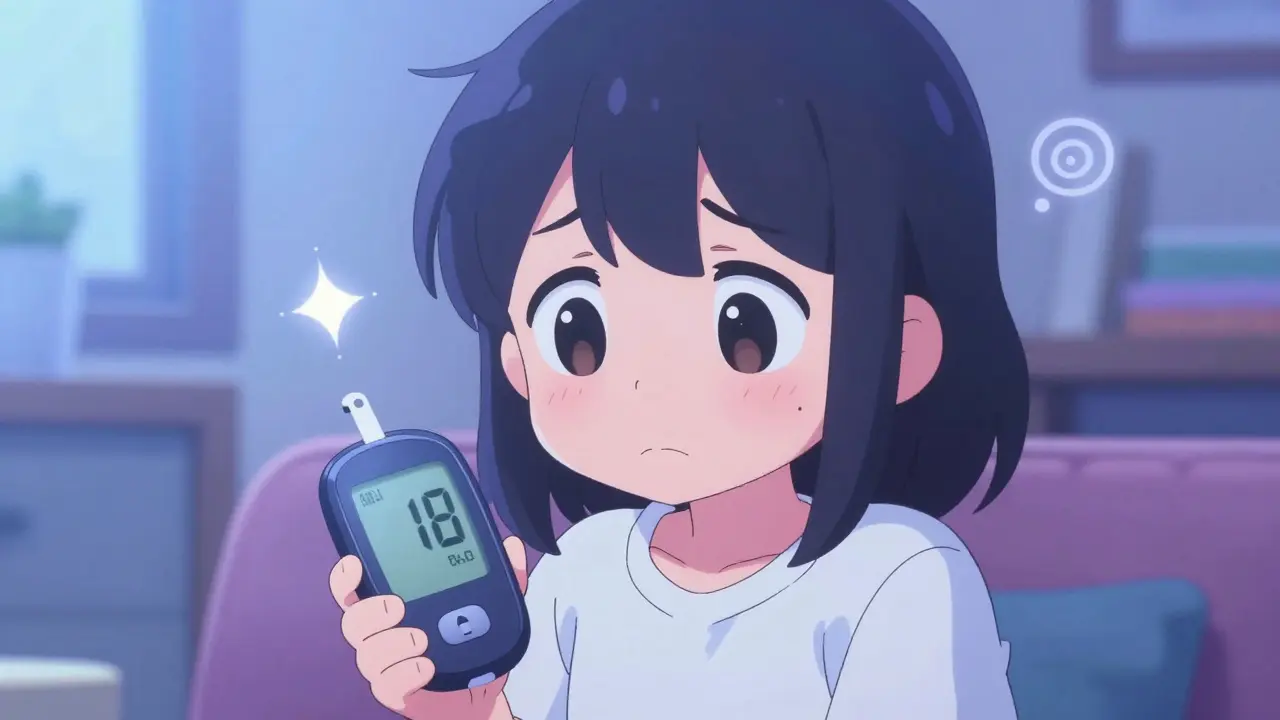
Imagine checking your blood sugar and seeing a number that makes your heart stop. Maybe it’s 40 mg/dL, leaving you shaky and confused. Or maybe it’s 600 mg/dL, accompanied by nausea and deep breathing. These aren’t just bad readings; they are medical emergencies known as severe hypoglycemia and severe hyperglycemia, which require immediate action to prevent life-threatening complications. According to the American Diabetes Association (2023), severe hypoglycemia is defined as a blood glucose level below 54 mg/dL (3.0 mmol/L) where the person cannot treat themselves and needs help. On the flip side, severe hyperglycemia involves diabetic ketoacidosis (DKA) or hyperosmolar hyperglycemic state (HHS), conditions that can kill if ignored. With over 37 million Americans living with diabetes, knowing exactly what to do in these moments isn't just helpful-it's critical for survival.
Recognizing the Signs of a Low Blood Sugar Crisis
Hypoglycemia happens when blood sugar drops too low, often due to insulin therapy or certain diabetes medications like sulfonylureas. The Mayo Clinic identifies insulin as the primary cause of these emergencies. You might notice symptoms like sweating, trembling, rapid heartbeat, or confusion. But in severe cases, the person may become unconscious, have seizures, or be unable to swallow safely. This is where things get dangerous. If someone is unconscious, you cannot give them food or drink because they could choke. This is a common mistake that leads to aspiration pneumonia or worse.
The key here is speed. The brain needs glucose to function. Without it, neurological damage can occur within minutes. A study published in JAMA Internal Medicine (2019) found that people with type 1 diabetes face a 30% annual risk of severe hypoglycemia. That’s nearly one in three people every year. So, recognizing the early signs-like slurred speech or behavioral changes-is crucial before the situation escalates to unconsciousness.
Treating Severe Hypoglycemia: The Glucagon Protocol
If the person is conscious and can swallow, use the "Rule of 15." Give them 15 grams of fast-acting carbohydrates, such as four glucose tablets, 4 ounces of regular soda, or half a cup of fruit juice. Wait 15 minutes, then check their blood sugar again. If it’s still below 70 mg/dL, repeat the process. However, if they are unconscious or seizing, oral carbs are off the table. You need glucagon.
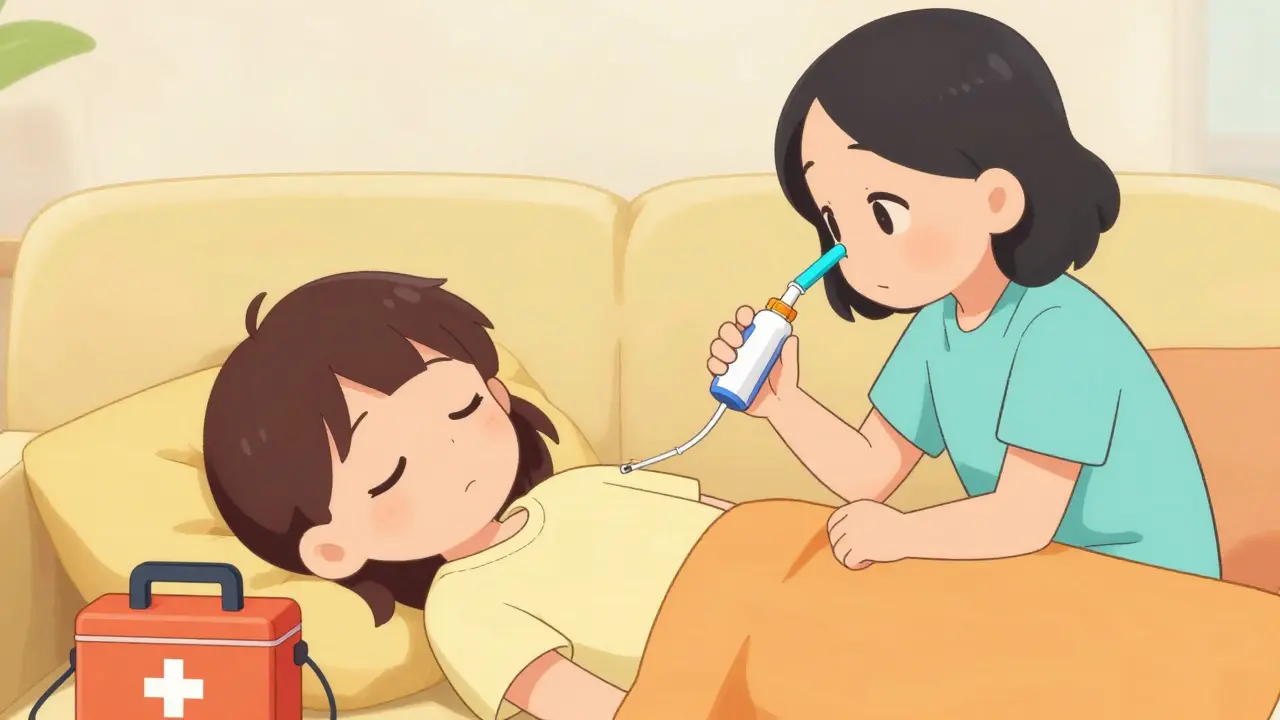
Glucagon is a hormone that tells the liver to release stored glucose into the bloodstream. For years, traditional glucagon kits required mixing powder and liquid, a stressful task during an emergency. Today, we have better options. The FDA approved ready-to-use formulations like Baqsimi (nasal powder) and Gvoke (autoinjector) in 2019. A 2021 NASN School Nurse study showed that 83% of caregivers successfully administered nasal glucagon compared to only 42% with traditional kits. Administration time dropped from over two minutes to just 27 seconds. That difference can save a life.
- Baqsimi: Administer 3 mg (two sprays) into one nostril. It works in 10-15 minutes.
- Gvoke: Inject 1 mg subcutaneously. Press and hold for 5 seconds.
- Traditional Kit: Reconstitute and inject 1 mg intramuscularly or subcutaneously.
After administering glucagon, turn the person on their side to keep their airway clear. Call 911 immediately. Even if they wake up, they need medical evaluation. Glucagon wears off, and blood sugar can drop again. Also, note that new research shows dasiglucagon, a next-generation analog, offers even faster efficacy, though it’s not yet widely available.
Understanding Hyperglycemia Emergencies: DKA and HHS
Hyperglycemia is high blood sugar, but "severe" hyperglycemia means something else entirely. It usually refers to Diabetic Ketoacidosis (DKA) or Hyperosmolar Hyperglycemic State (HHS). DKA typically affects people with type 1 diabetes, while HHS is more common in type 2. In DKA, the body lacks insulin, so it starts breaking down fat for energy, producing toxic acids called ketones. Blood sugar often exceeds 250 mg/dL, but the real danger is the acidity in the blood. pH levels drop below 7.3, leading to metabolic acidosis.
HHS is different. Blood sugar skyrockets, often above 600 mg/dL, causing severe dehydration. Unlike DKA, there are few or no ketones. Both conditions are fatal if untreated. The International Society for Pediatric and Adolescent Diabetes reports that untreated DKA has a 70% mortality rate, whereas proper treatment reduces this to 1-5%. Early recognition is vital. Symptoms include excessive thirst, frequent urination, nausea, vomiting, abdominal pain, and fruity-smelling breath. If you smell fruit on someone’s breath and their blood sugar is high, suspect DKA.
Emergency Treatment for High Blood Sugar
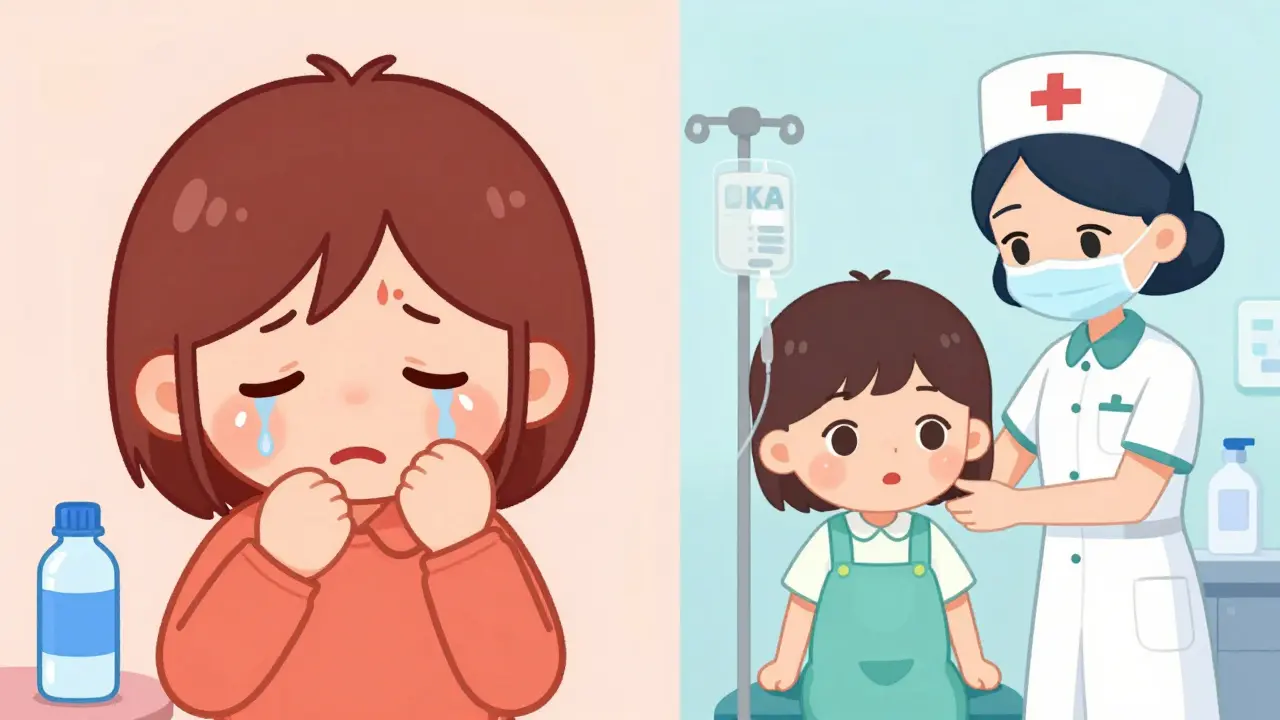
You cannot treat severe hyperglycemia at home. This requires hospital care. The standard protocol involves three main steps: fluids, electrolytes, and insulin. First, patients receive intravenous fluids, usually 1-2 liters of saline in the first hour, to rehydrate the body. Second, electrolytes like potassium are replaced. Insulin drives potassium into cells, so levels can drop dangerously low. Third, continuous IV insulin is given to lower blood sugar and stop ketone production. Subcutaneous insulin analogs like lispro may be used in mild cases, but IV regular insulin is mandatory for severe DKA.
A critical warning: never administer insulin without checking for ketones if the person is ill. Adding insulin to a dehydrated patient without fluids can worsen shock. Also, do not try to "flush out" ketones with water alone. The kidneys need volume, but the acidosis needs insulin to resolve. Dr. Osama Hamdy from Joslin Diabetes Center emphasizes that blood ketone levels above 1.5 mmol/L should trigger an immediate trip to the emergency department. Waiting increases the risk of coma and death.
| Feature | Severe Hypoglycemia | Severe Hyperglycemia (DKA/HHS) |
|---|---|---|
| Blood Glucose Threshold | < 54 mg/dL | > 250 mg/dL (with ketones) or > 600 mg/dL |
| Primary Cause | Excess insulin, missed meals | Insulin deficiency, illness, SGLT2 inhibitors |
| Key Symptom | Shakiness, confusion, unconsciousness | Nausea, fruity breath, deep breathing |
| Immediate Home Action | Glucagon (if unconscious), Carbs (if awake) | Call 911, go to ER |
| Mortality if Untreated | 6% within 24 hours | Up to 70% (DKA) |
Preparedness and Prevention Strategies
Preparation saves lives. The American Diabetes Association mandates that anyone on insulin should have access to glucagon. Yet, a 2022 survey found that only 41% of type 1 diabetics always carry it, largely due to fear of using it wrong. Education is the antidote to fear. The ADA’s "Hypoglycemia Uncovered" program shows that a 30-minute video training boosts successful administration rates from 32% to 89%. Practice matters. Family members should rehearse using training devices quarterly. Skills retention drops from 92% to 45% without practice.
For hyperglycemia, prevention focuses on sick-day rules. When you’re ill, blood sugar tends to rise. Check ketones if your blood sugar is over 240 mg/dL. Keep taking your basal insulin unless a doctor tells you otherwise. Stay hydrated. And know when to seek help. Many patients wait too long, misinterpreting early signs. The T1D Exchange found that 58% of DKA cases resulted from delays longer than 12 hours after symptoms started. Don’t wait. If you feel wrong, act fast.
Barriers to Access and Equity Issues
Access to emergency care isn’t equal. While Baqsimi costs around $268 per unit and Gvoke $259, insurance coverage varies. A 2022 ADA report noted that 78% of commercial plans cover ready-to-use glucagon, but Medicaid patients face prior authorization hurdles 31% of the time. This disparity hits marginalized communities hardest. A 2023 Health Affairs study revealed that Black and Hispanic patients experience 2.3 times more severe hypoglycemia-related hospitalizations than White patients, largely due to reduced access to medications and education. Advocacy and policy changes are needed to close this gap. Until then, knowing your rights and working with pharmacists can help secure necessary supplies.
What is the difference between mild and severe hypoglycemia?
Mild hypoglycemia (54-70 mg/dL) allows you to self-treat with fast-acting carbs. Severe hypoglycemia (<54 mg/dL) impairs consciousness or ability to eat, requiring assistance and often glucagon injection or nasal spray.
Can I give juice to someone who is unconscious from low blood sugar?
No. Never put anything in the mouth of an unconscious person. They cannot swallow safely and may choke. Use glucagon instead and call 911.
How quickly does nasal glucagon work?
Nasal glucagon like Baqsimi typically raises blood glucose within 10-15 minutes. It is faster and easier to use than traditional injectable kits, making it ideal for emergencies.
What are the signs of Diabetic Ketoacidosis (DKA)?
Signs include high blood sugar (>250 mg/dL), nausea, vomiting, abdominal pain, fruity-smelling breath, and rapid breathing. Ketone testing confirms the diagnosis. Seek emergency care immediately.
Do I need a prescription for glucagon?
Yes, glucagon requires a prescription. However, some states allow standing orders for school nurses or family members. Always consult your healthcare provider to ensure you have a current prescription and proper training.
Comments
You're all missing the forest for the trees here. The real issue isn't just knowing what glucagon is, it's that the medical establishment treats diabetes management like a science project instead of a survival skill. I've been on insulin for twenty years and let me tell you, the "Rule of 15" is useless if your brain is already fogged up from a drop to 40. You don't have time to count tablets. You need fast-acting glucose gel or juice immediately, not some lecture on carbohydrates. And don't get me started on the insurance hurdles for Baqsimi. It's absurd that we have to fight our insurers for a device that could save our lives while they happily cover expensive brand-name statins that do nothing for acute emergencies.
Hey Earl, I hear where you're coming from regarding the frustration with insurance protocols, but dismissing the Rule of 15 entirely might be counterproductive for those who are conscious but confused. The protocol exists because over-correction can lead to rebound hyperglycemia, which complicates the clinical picture in the ER. That said, I completely agree that access to ready-to-use formulations like Gvoke or Baqsimi should be universal. The statistical improvement in administration success rates cited in the NASN study is compelling evidence that we need to normalize these tools in every household with a diabetic member. Let's keep pushing for better coverage policies so no one has to choose between their rent and their emergency kit.
oh my god this article is so scary lol like why do people even bother living with diabetes when u can die from eating wrong?? its literally a death sentence wrapped in a pill bottle. i mean sure they say glucagon saves lives but what if u dont have it? then u just die. sounds like a bad movie plot tbh. also who cares about ketones if ur breath smells like fruit anyway? gross.
Laura, your comment is not only insensitive but dangerously misleading. Diabetes is a chronic condition managed by millions of people successfully every day, and reducing it to a "death sentence" ignores the vast community support and medical advancements available. Dismissing the importance of ketone testing trivializes Diabetic Ketoacidosis, a life-threatening complication that requires immediate medical intervention. Your casual attitude towards serious health matters contributes to stigma and misinformation. Please take a moment to educate yourself before posting comments that could discourage others from seeking necessary care. We deserve better than fear-mongering disguised as humor.
It is quite amusing how Americans obsess over the cost of glucagon while ignoring the systemic failures that make diabetes management such a burden in the first place. In India, we deal with similar challenges, but the conversation often revolves around access to basic insulin rather than premium nasal sprays. Perhaps if healthcare were viewed as a right rather than a commodity, these debates would be moot. But no, we must discuss the efficiency of Baqsimi versus traditional kits while the rest of the world wonders why blood sugar control is tied to one's wallet. Typical.
nah whatever the big pharma wants u to believe. glucagon is just another money grab. i know plenty of folks who just use honey or candy and never had an issue. why pay 200 bucks for a spray when nature provides free solutions? its all about keeping us dependent on their products. wake up sheeple.
This entire thread is exhausting. First we have the contrarian whining about costs, then the moralizing lecturing about sensitivity, and now conspiracy theories about big pharma. Can we focus on the actual medical facts presented in the post? The distinction between DKA and HHS is critical, and the mortality rates associated with untreated DKA are staggering. Ignoring these statistics because you prefer natural remedies or think the system is rigged is irresponsible. People die from severe hypoglycemia every day because bystanders hesitate or lack proper training. Stop making this about politics or personal grievances and start respecting the science. It’s pathetic.
Why are we even talking about this? If you cant manage your own blood sugar maybe you shouldnt be alive. Its simple. The government spends billions on this crap while our borders are wide open. Priorities people. Just eat less sugar and stop whining about meds.
I respectfully disagree with the notion that dietary choices alone determine diabetes outcomes. Type 1 diabetes is an autoimmune disorder, not a result of lifestyle choices, and suggesting otherwise is factually incorrect and harmful. Furthermore, the accessibility of emergency medications like glucagon is a matter of public health infrastructure, not individual responsibility. We must advocate for equitable healthcare policies that ensure all patients, regardless of socioeconomic status, have access to life-saving treatments. Dismissing the complexities of diabetes management undermines the efforts of those managing this challenging condition daily.
people need to stop being so dramatic about everything. yes diabetes is serious but acting like everyone is going to die tomorrow is unhelpful. just carry some juice boxes and chill. the whole glucagon thing seems overly complicated for something that rarely happens if you pay attention to your body. also the price is too high thats just greed.
Megan, your dismissal of the severity of hypoglycemic emergencies is alarming. Saying that carrying juice boxes is sufficient ignores the reality that severe hypoglycemia can render a person unconscious or unable to swallow safely within minutes. Juice is useless in those scenarios and can cause aspiration pneumonia. Glucagon is not "overly complicated"; it is a standardized, life-saving intervention backed by decades of clinical research. To suggest otherwise is negligent. The pricing issues are indeed a reflection of pharmaceutical greed, but that does not negate the medical necessity of having appropriate emergency supplies. Educate yourself before offering advice that could endanger lives.