
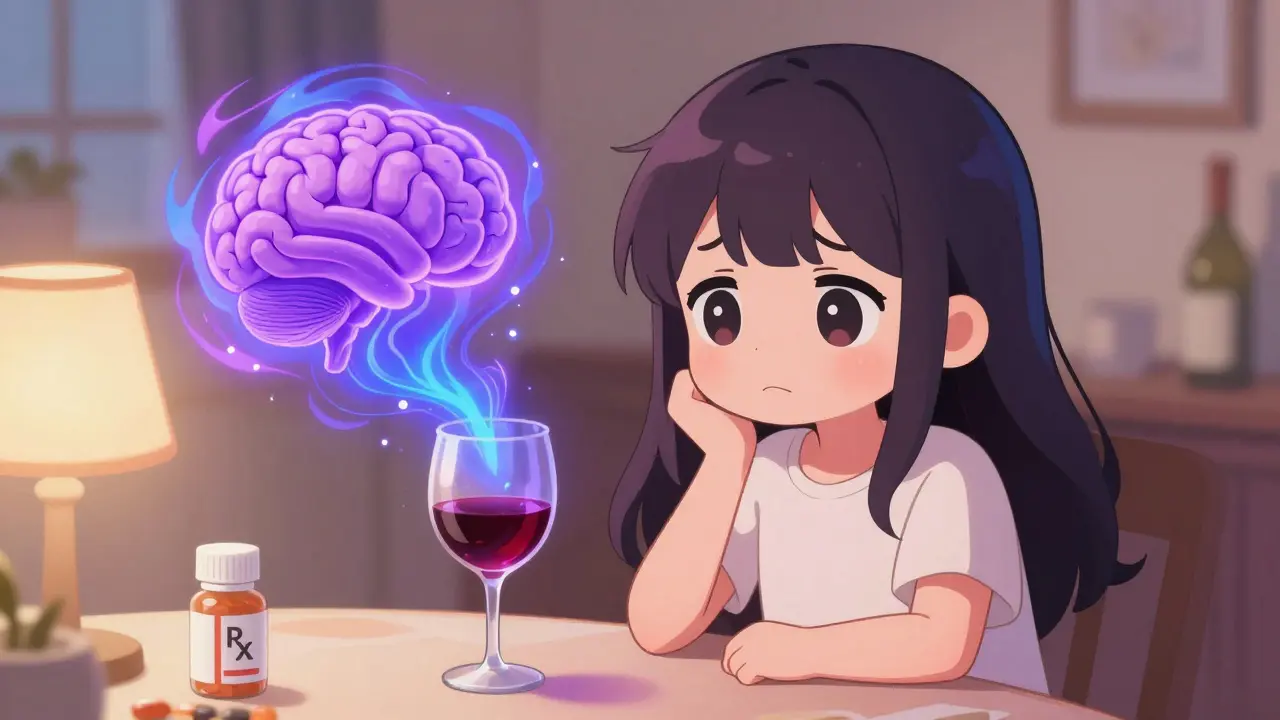
Antidepressant & Alcohol Interaction Checker
Select your medication class or specific drug to see the associated risk profile when combined with alcohol.
It is a common question at dinner parties or quiet nights in: can I have a glass of wine while taking my medication? For the millions of people prescribed antidepressants, which are medications designed to treat depression and anxiety by altering neurotransmitter levels, this is not just a casual query. It is a critical safety issue. Mixing these powerful drugs with alcohol, a central nervous system depressant, creates a volatile chemical reaction in your brain that can lead to severe health complications, hospitalization, or even death.
You might think one drink is harmless. The reality is far more complex. When you combine alcohol with antidepressants, you are not just adding two substances together; you are interfering with delicate neurochemical processes. This interference amplifies side effects, reduces the effectiveness of your treatment, and significantly increases the risk of mortality. Understanding exactly how these interactions work is essential for protecting your physical and mental health.
How Antidepressants and Alcohol Interact Physically
To understand the danger, we need to look at what happens inside your body. Antidepressants work by adjusting chemicals like serotonin, norepinephrine, and dopamine. Alcohol disrupts these same systems. When they meet, the result is rarely neutral.
The most immediate effect is increased intoxication. If you take Selective Serotonin Reuptake Inhibitors (SSRIs), such as fluoxetine (Prozac) or sertraline (Zoloft), you may find yourself getting drunk 30-50% faster than usual. This happens because SSRIs affect how your liver metabolizes alcohol. You feel the effects of a single beer as if you had consumed three.
Other classes of antidepressants carry different risks. Tricyclic antidepressants (TCAs) like amitriptyline amplify alcohol's sedative effects. This combination has been documented to cause respiratory depression-even at low blood alcohol concentrations of 0.05%. This means your breathing could slow down dangerously without you realizing it.
Perhaps the most dangerous interaction involves Monoamine Oxidase Inhibitors (MAOIs). Drugs like tranylcypromine (Parnate) interact with tyramine found in beer and wine. This can trigger a hypertensive crisis, causing blood pressure spikes exceeding 220/120 mmHg. This is a medical emergency that can lead to stroke within minutes.
Risk Levels Across Different Medication Classes
Not all antidepressants react the same way to alcohol. Knowing which class your medication belongs to helps you understand your specific risk profile.
| Medication Class | Common Examples | Primary Risk with Alcohol | Severity Level |
|---|---|---|---|
| MAOIs | Parnate, Nardil | Hypertensive crisis, stroke | Critical/Life-Threatening |
| Atypical Antidepressants | Wellbutrin (Bupropion) | Psychosis-like symptoms, hallucinations | High/Emergency |
| Tricyclic Antidepressants (TCAs) | Amitriptyline | Severe sedation, respiratory depression | High |
| SSRIs | Prozac, Zoloft, Lexapro | Increased intoxication, worsened depression | Moderate to High |
Let’s break down these risks further. MAOIs present the most immediate threat. Clinical guidelines indicate that consuming even moderate amounts of alcohol-like five ounces of wine-can trigger a hypertensive stroke within 30 minutes. There is no safe margin here.
Wellbutrin (bupropion) presents a unique and terrifying risk. Because it affects dopamine differently, combining it with alcohol can trigger a flood of dopamine that leads to psychosis-like symptoms. Patients have reported auditory hallucinations and delusions. Data shows that 1 in 8 patients who mix therapeutic doses of bupropion with alcohol experience temporary psychotic symptoms requiring emergency intervention.
For those on SSRIs, the risk is often underestimated. While it may not always be immediately life-threatening like MAOIs, the consequences are serious. About 41% of SSRI users who consume alcohol report significantly worsened depressive symptoms within 24 hours. The medication stops working effectively, and your mental state deteriorates.
The Impact on Mental Health and Treatment Efficacy
You take antidepressants to feel better. Drinking alcohol actively works against this goal. Research demonstrates that even one standard drink per day decreases antidepressant effectiveness by 35-50% in nearly 80% of patients.
This reduction in efficacy is not just about the chemistry; it is about adherence and behavior. A study published in the Journal of Psychopharmacology found that low levels of alcohol consumption reduce medication adherence by 32% and increase impulsivity by 27%. When you are impulsive and not taking your meds consistently, your depression worsens.
The link between mixing these substances and suicide is stark. Nearly 80% of deaths related to antidepressant use are suicides. Medical experts warn that drinking while on antidepressants potentiates suicide risk by 2.7 times. The alcohol lowers your inhibitions while the depression clouds your judgment, creating a perfect storm for tragic outcomes.
Conversely, avoiding alcohol yields significant benefits. Patients who abstain from alcohol while on antidepressants see a 62% higher remission rate for depression. Yet, this statistic is rarely communicated clearly to patients, leading many to unknowingly sabotage their own recovery.
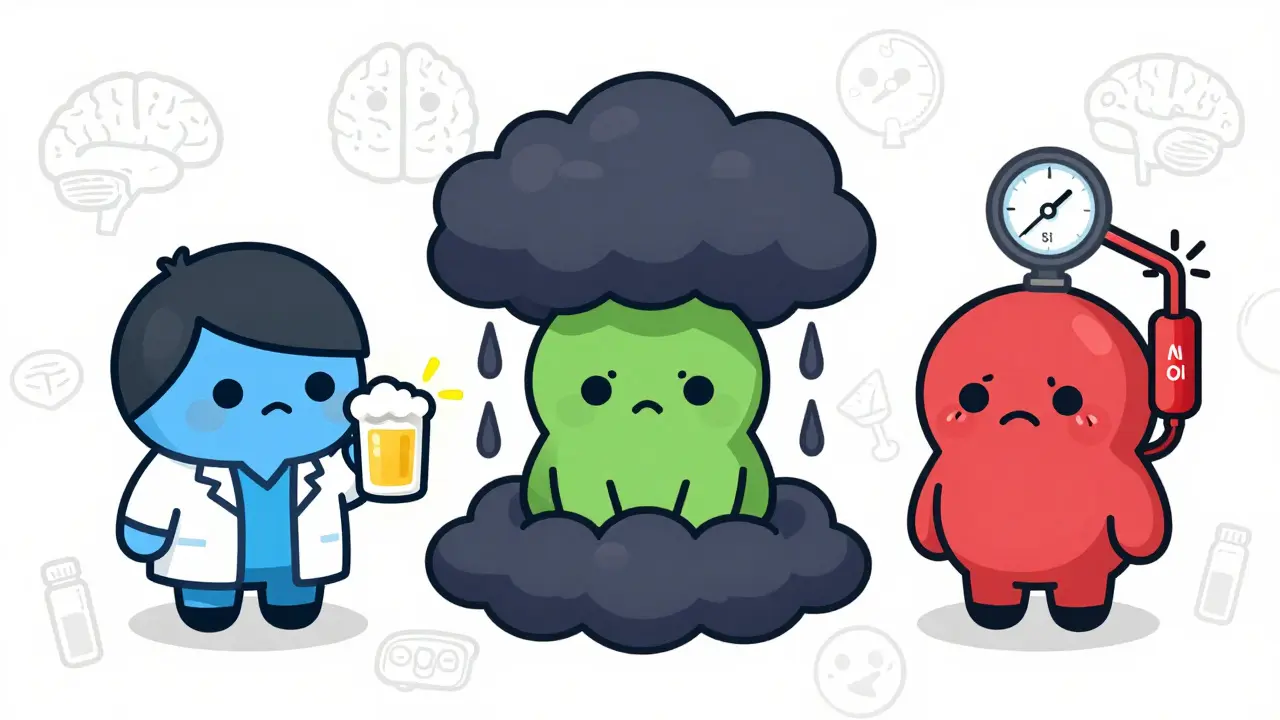
Real-World Experiences and Patient Reports
Statistics tell one story, but patient experiences bring the reality into sharp focus. On mental health forums, stories of negative outcomes are consistent and alarming.
One user on Reddit described taking Zoloft and having just one beer. They felt completely drunk within 20 minutes, suffering from extreme dizziness and nausea that lasted 12 hours. This aligns with clinical observations of accelerated intoxication.
Another patient on PatientsLikeMe shared a harrowing experience with Wellbutrin. After two glasses of wine, they began hearing voices telling them to harm themselves, resulting in a 24-hour stay in the emergency room for observation. These are not isolated incidents; they represent a pattern of dangerous physiological responses.
A survey by the Depression and Bipolar Support Alliance found that 67% of respondents who combined antidepressants and alcohol reported worsened depression symptoms within 48 hours. Another 29% reported increased anxiety. Common complaints included "extreme drowsiness making work impossible" and "uncontrollable emotional outbursts."
Positive experiences are rare. Only about 3% of user reports mention no issues, and even then, these usually involve strict limits set by doctors, such as one glass of wine weekly with food. Relying on anecdotal success stories is a risky gamble with your health.
Medical Guidelines and Expert Consensus
What do doctors say? The consensus is largely cautious, though there is some nuance depending on the patient's stability and medication type.
Most healthcare providers recommend complete abstinence during the initial 4-8 weeks of treatment. This is when the medication is establishing its therapeutic effect, and any interference can derail progress. During this phase, your brain is adapting, and alcohol introduces unpredictable variables.
For stable patients who have been on SSRIs for over 12 weeks with no history of alcohol use disorder, some guidelines have shifted slightly. The American Psychiatric Association’s 2023 updated practice guidelines suggest that limited alcohol consumption-one standard drink once weekly-may be considered with appropriate monitoring. However, this is a significant shift from previous absolute prohibitions and requires explicit physician approval.
Even with this slight relaxation for stable SSRI users, experts like Dr. David Baron warn unequivocally against mixing other types, particularly Wellbutrin. He states that it can lead to symptoms resembling psychosis, a serious condition requiring hospitalization. Dr. Mark R. Gold emphasizes that drinking interferes with treatment and potentiates suicide risk.

Practical Steps for Safety and Management
If you are prescribed antidepressants, how should you manage alcohol? Here is a practical approach based on current medical advice.
- Consult Your Doctor First: Never assume it is safe. Ask specifically about your medication class and your personal health history.
- Avoid Alcohol Initially: Stick to total abstinence for the first 4-8 weeks of treatment to allow the medication to stabilize.
- Understand "Moderate" Does Not Apply: Standard guidelines for moderate drinking (1 drink/day for women, 2 for men) do not apply to you. Even one drink can trigger interactions.
- Watch for Warning Signs: If you do drink with doctor approval, monitor for dizziness, extreme drowsiness, mood swings, or increased anxiety. Stop immediately if these occur.
- Consider Therapy: Cognitive behavioral therapy (CBT) has a 47% success rate in reducing alcohol consumption among antidepressant users. It helps address the underlying reasons for wanting to drink.
Many patients use alcohol to self-medicate residual anxiety. This is a trap. It provides temporary relief but ultimately worsens the condition and undermines your medication. Recognizing this cycle is the first step toward breaking it.
Frequently Asked Questions
Can I drink alcohol while taking Prozac?
Drinking alcohol while taking Prozac (fluoxetine) is generally discouraged. It can increase intoxication, making you feel drunk faster, and may worsen depression symptoms. Some doctors may allow very limited consumption for stable patients after several months of treatment, but you must consult your physician first.
Is it safe to mix Wellbutrin and alcohol?
No, it is not safe. Mixing Wellbutrin (bupropion) with alcohol carries a high risk of triggering psychosis-like symptoms, including auditory hallucinations and delusions. This combination can require emergency hospitalization. Medical experts strongly advise against this combination entirely.
How does alcohol affect antidepressant effectiveness?
Alcohol can decrease antidepressant effectiveness by 35-50%. It interferes with the medication's ability to regulate neurotransmitters, leading to worsened depression and anxiety. Additionally, it reduces medication adherence and increases impulsivity, further undermining treatment.
What are the signs of a dangerous interaction between antidepressants and alcohol?
Signs include extreme drowsiness, dizziness, impaired motor control, nausea, rapid intoxication, worsening depression or anxiety, and in severe cases, respiratory depression, hypertension, or psychotic symptoms like hallucinations. Seek medical help immediately if you experience severe symptoms.
How long should I avoid alcohol after starting antidepressants?
Most healthcare providers recommend complete abstinence for the initial 4-8 weeks of treatment. This allows the medication to establish its therapeutic effect without interference. After this period, discuss with your doctor whether limited consumption might be appropriate for your specific case.