
Medication-Kombucha Interaction Checker
This tool helps you determine if your prescription medication might interact with the trace alcohol found in kombucha. Kombucha contains up to 2.5% ABV (alcohol by volume) in homemade versions and up to 0.5% ABV in commercial products. Even small amounts of alcohol can interact with certain medications.
Most people think of kombucha as just a trendy, fizzy tea with probiotics. But if you’re taking certain medications, that little bottle could be hiding a serious risk. Kombucha isn’t just tea-it’s a fermented drink. And fermentation? It makes alcohol. Even if the label says "non-alcoholic," that doesn’t mean it’s alcohol-free. For people on medications that react badly to even small amounts of alcohol, this isn’t a minor detail. It’s a safety issue.
How Much Alcohol Is Really in Kombucha?
The alcohol in kombucha isn’t added. It’s made naturally by the yeast in the SCOBY-the symbiotic culture of bacteria and yeast that ferments sweet tea. During this process, sugar turns into alcohol and carbon dioxide. Commercial brands are required by U.S. law to keep alcohol under 0.5% ABV (alcohol by volume) to be sold as a non-alcoholic beverage. That sounds tiny, right? But here’s the catch: that 0.5% isn’t always accurate, especially with homemade versions.
Lab tests of homebrewed kombucha show alcohol levels can range from 0.5% all the way up to 2.5% ABV. Some batches, especially those fermented longer or in warmer temperatures, can hit levels close to light beer. A 2024 Harvard study found that 43% of homebrewed kombucha exceeded the 0.5% legal limit, and 12% reached 3.2% ABV-enough to be classified as an alcoholic beverage in many states. Commercial brands test every batch using HPLC machines to stay under the limit. Most homebrewers? They don’t test at all.
Which Medications Are at Risk?
It’s not just about getting drunk. Even small amounts of alcohol can interfere with how your body processes certain drugs. The American Pharmacists Association lists 17 major medication classes that can have dangerous reactions when mixed with kombucha. Here are the most common ones:
- Antibiotics like metronidazole and tinidazole-mixing these with alcohol can cause severe nausea, vomiting, rapid heartbeat, and flushing. A 2023 case report in the Journal of Clinical Pharmacy and Therapeutics documented a patient who ended up in the ER after drinking homemade kombucha while on metronidazole.
- Antidepressants such as SSRIs (sertraline, fluoxetine)-alcohol can worsen side effects like dizziness, drowsiness, and mood swings. Reddit users and pharmacy professionals have reported increased anxiety and dizziness in patients who drank kombucha while on these meds.
- Diabetes medications like metformin and chlorpropamide-alcohol can lower blood sugar even further, leading to dangerous hypoglycemia. One user on Diabetes Daily reported a 15-point drop in blood sugar after drinking kombucha with metformin, requiring an ER visit.
- CNS depressants like benzodiazepines (Xanax, Valium) and sleep aids-alcohol amplifies their sedative effects. Dr. Andrew Huberman from Stanford warned that even 0.5% ABV can boost GABA receptor activity, increasing drowsiness and risk of falls.
- Heart medications like nitrates-alcohol can cause sudden drops in blood pressure, leading to fainting or dizziness.
These aren’t theoretical risks. ConsumerLab’s 2023 survey of over 1,200 kombucha drinkers found 18% had experienced adverse reactions linked to their medications. Of those, 62% involved antidepressants and 29% involved antibiotics.
Commercial vs. Homemade: Big Differences in Risk
Not all kombucha is the same. Commercial brands have to follow strict rules. Since 2016, major producers like GT’s Kombucha have used flash pasteurization or membrane filtration to lock alcohol levels below 0.5%. They test every batch. In 2023, 92% of commercial brands used HPLC testing to verify alcohol content.
Homebrewers? Only 15% test their batches. Most rely on guesswork-"it’s been fermenting for two weeks, it should be fine." But temperature, sugar amount, and fermentation time all affect alcohol levels. A batch left in a warm kitchen for 14 days can easily hit 1.8% ABV. That’s more than three times the legal limit for commercial products. And there’s no warning label.
Even among commercial brands, labeling is inconsistent. Only 63% of products mention "contains trace alcohol" on the label, according to FDA compliance reports from early 2023. So unless you’re actively checking the fine print, you won’t know what you’re drinking.
What Should You Do If You’re on Medication?
If you’re taking any of the medications listed above, here’s what to do:
- Check your medication’s warning label. Look for phrases like "avoid alcohol" or "alcohol may increase side effects." If it’s there, treat kombucha the same way.
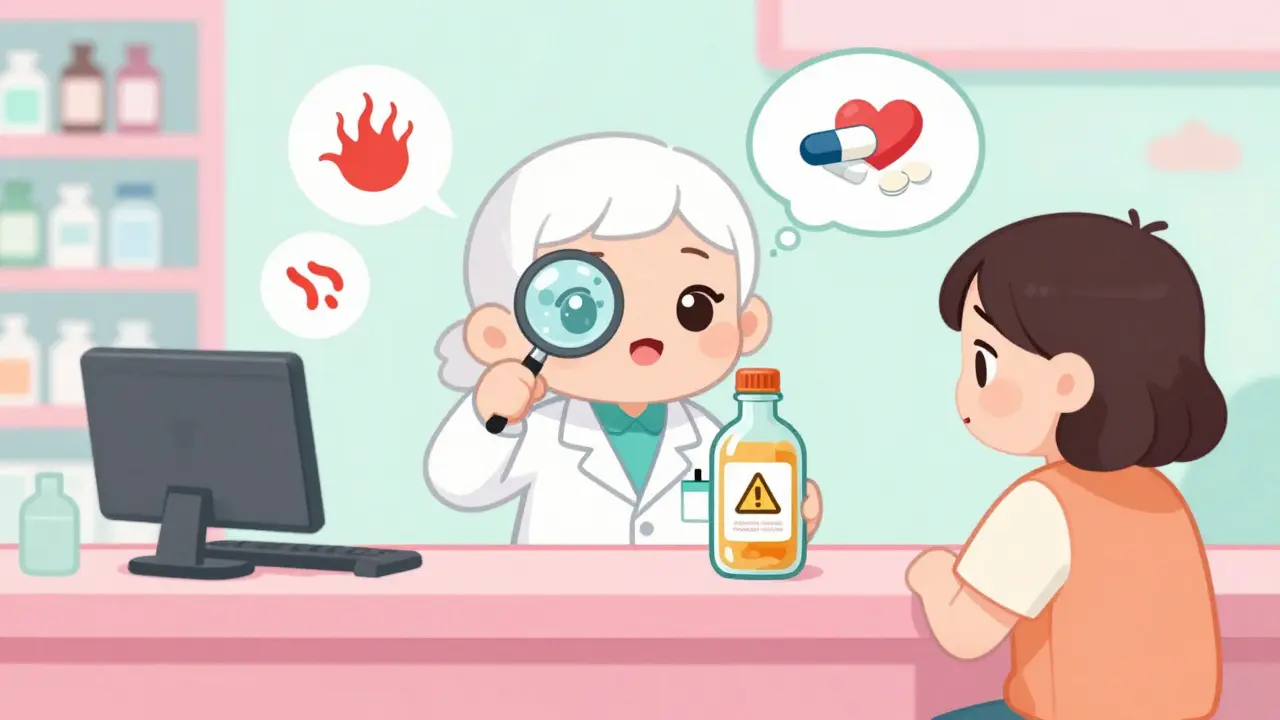
- Ask your pharmacist. A 2023 survey by the American Pharmacists Association found only 32% of pharmacists correctly identify kombucha as an alcohol source. Don’t assume they know. Bring the bottle with you.
- Stop drinking kombucha if you’re on metronidazole, tinidazole, or disulfiram. These drugs have a direct, dangerous reaction with even tiny amounts of alcohol.
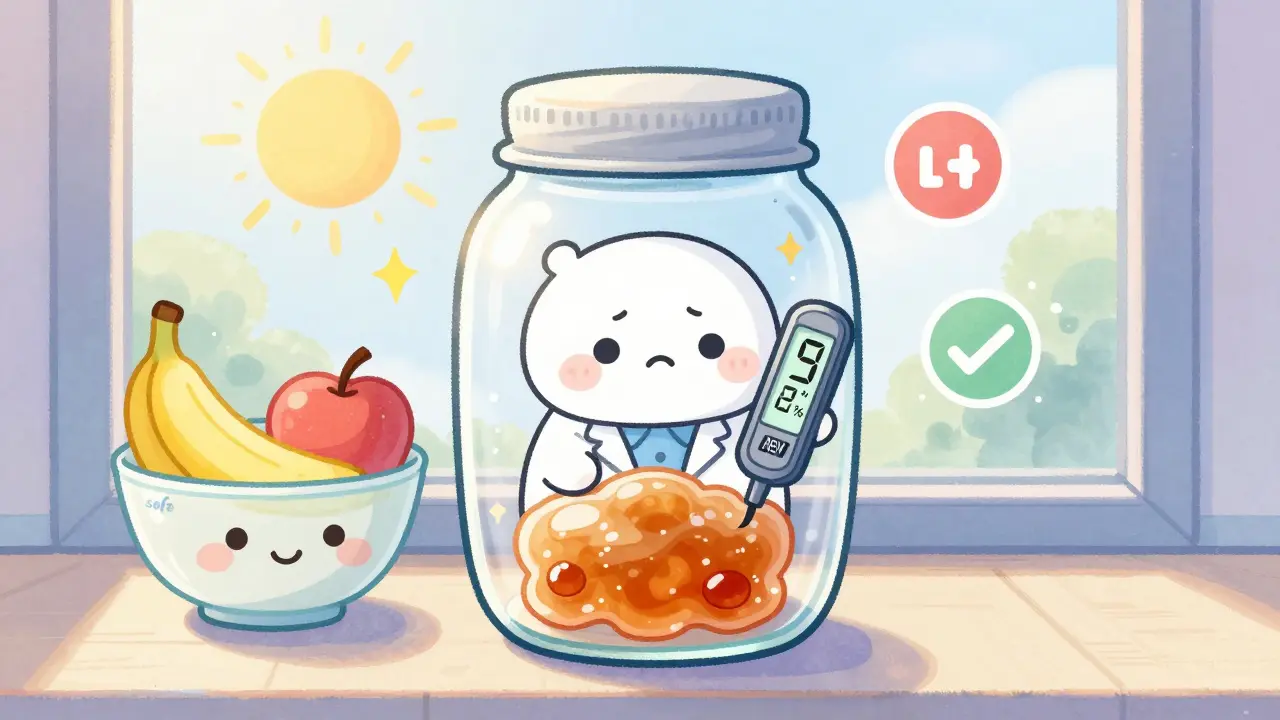
- If you brew your own, test it. Use a digital alcoholmeter like the HM Digital HA-520. It costs under $50 and gives readings accurate to ±0.1% ABV. It takes 3-5 batches to get consistent results, but it’s worth it for safety.
- Wait 48 hours after your last dose. The Cleveland Clinic recommends waiting at least two days after taking alcohol-sensitive meds before consuming kombucha, especially if you’re unsure of the alcohol content.
And if you’re unsure? Skip it. There are plenty of probiotic-rich alternatives-kefir, sauerkraut, kimchi-that don’t contain alcohol.
The Bigger Picture: Why This Isn’t Just a "Small Risk"
Some experts, like Dr. Darya Rose, argue that 0.5% ABV is no different than eating overripe fruit. But that ignores how medications work. Your body doesn’t process alcohol the same way when you’re on a drug. A 2023 study in Integrative Medicine calculated that drinking one 12-ounce bottle of kombucha daily at 0.5% ABV adds up to 1.75 standard drinks per week. For someone on a medication with alcohol warnings, that’s not a glass of wine-it’s a daily dose of risk.
Regulators are catching on. In January 2024, the FDA mandated that all kombucha products sold in the U.S. must now carry the label: "Contains Trace Alcohol." Major brands like Health-Ade have started using QR codes on bottles to show batch-specific alcohol content. This is progress. But it doesn’t help people who drink homemade kombucha or those who don’t read labels.
The kombucha market is booming-$3.2 billion in 2023. But with growth comes responsibility. If you’re taking medication, your health isn’t a marketing opportunity. It’s your life.
What’s Next?
The National Institutes of Health launched a $2.3 million study in March 2024 to better understand kombucha-medication interactions. Preliminary results are expected in mid-2025. Until then, err on the side of caution.
If you’re on medication and you love kombucha, don’t give it up without a plan. Talk to your doctor. Test your homebrew. Read every label. And if you’re not sure? Choose something else. Your body will thank you.

Comments
Kombucha’s just tea with bubbles, but now it’s a public health crisis? I mean, I’ve had it for years with my blood pressure meds and never felt a thing. Maybe chill.
People treat fermented foods like they’re poison because they don’t understand microbiology. The body handles trace alcohol naturally-your liver processes it in minutes. But no, let’s panic because a label says ‘non-alcoholic’ and someone’s pharmacist didn’t explain it right.
It’s not the kombucha. It’s the fear-mongering disguised as science. And yes, I’ve read the studies. The 0.5% threshold exists for a reason. If you’re on metronidazole, sure, skip it. But don’t guilt-trip everyone else into giving up their gut health for a myth.
It is profoundly concerning that the general public conflates regulatory thresholds with biological safety. The U.S. Food and Drug Administration’s 0.5% ABV cap is a commercial artifact, not a physiological benchmark. One must consider pharmacokinetic interactions at the hepatic level-particularly with CYP450 substrates-where even minuscule ethanol concentrations may induce competitive inhibition.
Furthermore, the absence of standardized labeling across commercial producers constitutes a gross violation of informed consent. The fact that only 63% of products disclose trace alcohol is not merely negligent-it is ethically indefensible. One cannot responsibly consume a product whose composition is deliberately obscured.
And yet, homebrewers, armed with nothing but intuition and a mason jar, continue to distribute untested, potentially intoxicating brews under the guise of ‘wellness.’ This is not artisanal; it is reckless.
Moreover, the romanticization of fermentation as ‘natural’ ignores the fact that natural does not equate to safe. Botulinum toxin is natural. Radon is natural. The human body did not evolve to process ethanol as a daily dietary supplement.
It is high time we treat kombucha as what it is: a psychoactive adjunct, not a probiotic snack. Until mandatory batch-specific labeling and third-party verification are enforced, consumption by individuals on CNS-active medications should be considered medically contraindicated.
Have you ever noticed that every time someone says ‘it’s just 0.5%’ they’re also the same people who refuse to read the fine print on their prescription bottles? The FDA doesn’t regulate kombucha like wine because the industry lobbied them into letting it slide. It’s all about profit. Big Fermentation doesn’t want you to know that your ‘health drink’ is a gateway to accidental intoxication.
And don’t even get me started on the ‘homemade is better’ cult. People are fermenting kombucha in their basements with unsterilized jars while on SSRIs. I’ve seen the Reddit threads. One woman ended up in the psych ward after drinking her ‘detox brew’ with Zoloft. They called it ‘anxiety’-but it was ethanol-induced serotonin syndrome.
The truth? The whole kombucha boom was engineered by Silicon Valley influencers who don’t know the difference between a SCOBY and a scoby. It’s wellness capitalism at its most insidious.
And now they’re slapping QR codes on bottles like that makes it okay. QR codes don’t change chemistry. Your liver doesn’t care if you scanned a code. It just sees ethanol. And if you’re on metformin? You’re playing Russian roulette with your pancreas.
They’re not just selling kombucha. They’re selling denial. The whole thing is a metaphor for modern life-pretending small dangers don’t matter until your body collapses.
Every time someone says, ‘It’s just a little alcohol,’ they’re whispering to themselves: ‘I don’t want to change.’
But your medication isn’t asking for compromise. It’s asking for reverence. And kombucha? It’s the glittery lie that says, ‘You can have it all.’
Except you can’t. Not when your liver is trying to keep your mind from unraveling. Not when your blood sugar is already dancing on a knife’s edge. Not when your nervous system is already frayed from anxiety, sleeplessness, and the quiet despair of living in a world that rewards convenience over care.
I used to drink it. Every morning. I thought it was healing. Turns out, it was slowly poisoning me. And no one warned me. Not the influencer. Not the store clerk. Not even my doctor.
Now I drink kefir. It’s quiet. It’s honest. It doesn’t pretend to be something it’s not.
And maybe that’s the real lesson here: Sometimes, the most radical act of self-love is saying no to something beautiful… because it’s not meant for you.
Oh wow, so now kombucha is the new boogeyman? Next they’ll ban sourdough because yeast makes ethanol. You know what else ferments? Bread. Pickles. Yogurt. Even ripe bananas have trace alcohol. Are we gonna start banning fruit baskets now?
And let’s be real-most people on metronidazole know not to drink alcohol. They’re not idiots. If you’re taking meds and you don’t know the risks, that’s on you, not the kombucha. Blaming the drink because you didn’t read the label is like blaming a knife because someone stabbed themselves.
Also, the FDA doesn’t regulate kombucha like wine because it’s not wine. It’s tea. If you want to turn every fermented food into a regulatory nightmare, go ahead. But don’t pretend you’re protecting people when you’re just feeding fear.
And for the love of god, stop acting like homebrewers are reckless criminals. My grandma brewed kombucha for 20 years. She’s 82, diabetic, and still walks 5 miles a day. Her kombucha? 0.8% ABV. She tested it. She knew. She didn’t need a QR code to stay alive.
Y’all know the gov’t lets Big Pharma and Big Fermentation collude to keep you scared so you’ll keep buying meds and expensive bottled tea, right? The whole ‘alcohol in kombucha’ thing is a distraction. They don’t want you to know that real alcohol is in your vitamins, your cough syrup, your protein powder. Kombucha’s just the scapegoat.
And why are they pushing QR codes? So they can track you. Your drinking habits. Your meds. Your blood sugar. They’re building a database. Next thing you know, your insurance hikes your rates because you ‘consume trace alcohol.’
I stopped buying kombucha after I found out the SCOBYs are grown in labs with GMO yeast. It’s not natural. It’s corporate. And they’re lying to you.
Also, metronidazole? That’s a military drug. They put it in water supplies to control populations. You think they’re worried about your kombucha? They’re worried you’ll wake up.
Man, I used to chug kombucha like it was liquid gold-until my buddy who’s on an SSRI told me he got dizzy after a bottle. I thought he was being dramatic. Then I checked the label on mine: ‘Contains trace alcohol.’
So I switched to kefir. Didn’t miss a beat. My gut’s still happy. My brain’s not foggy. And I don’t have to wonder if I’m quietly sabotaging my meds.
Turns out, you don’t need fizzy tea to be healthy. You just need to be curious. And maybe a little less obsessed with trends.
Also, if you brew your own? Grab a $40 alcoholmeter. It’s not hard. It’s not scary. It’s just… responsible. Like checking your tire pressure before a road trip.
Bottom line: Be kind to your body. Not because the internet said so. Because you deserve to feel good without second-guessing every sip.