
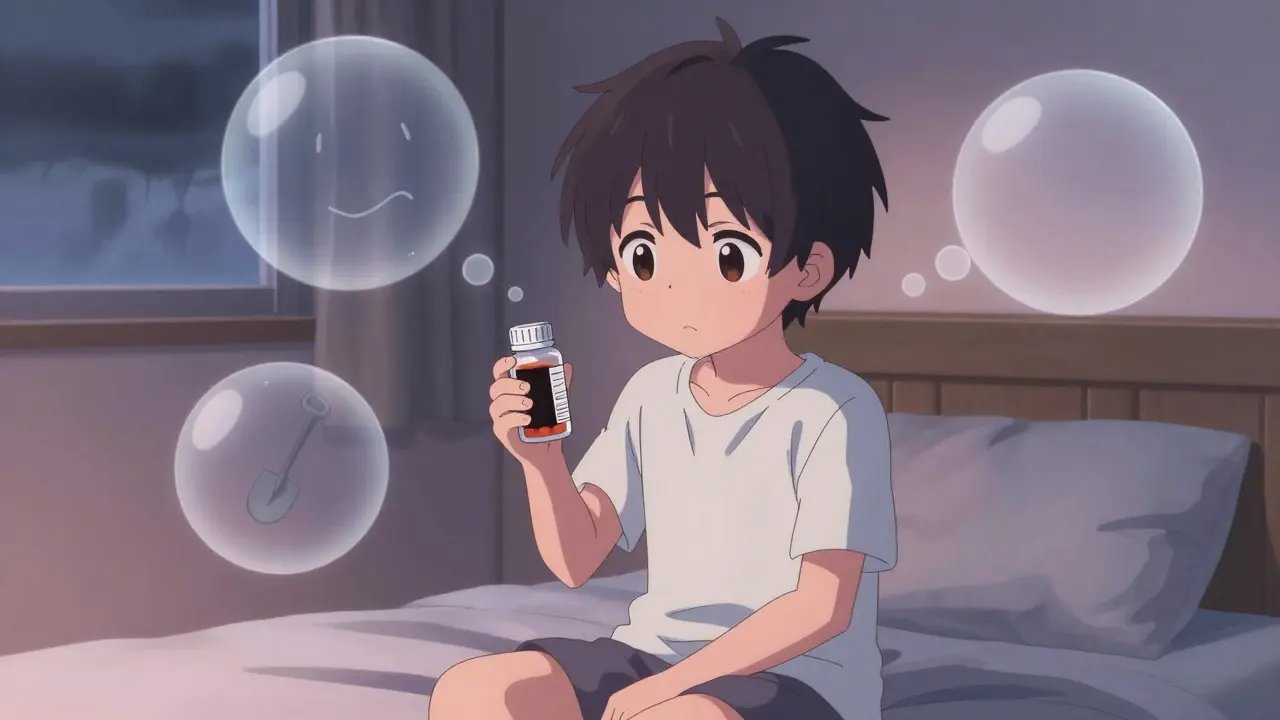
Antidepressant Risk Assessment Tool
Assess Your Risk Factors
This tool provides general information about potential risk factors for suicidal thoughts when starting antidepressants. It is not medical advice. Always consult your doctor or mental health professional.
When you start taking an antidepressant, you’re hoping for relief - not a warning that it might make you want to end your life. But if you’ve ever read the small print on your prescription bottle or heard a doctor mention a "black box warning," you know this is real. The U.S. Food and Drug Administration (FDA) put this strongest possible safety alert on nearly all antidepressants in 2004, and it still stands today. It says: antidepressants may increase the risk of suicidal thoughts and behaviors in children, adolescents, and young adults up to age 24.
What Exactly Is a Black Box Warning?
A black box warning is the most serious safety alert the FDA can give a drug. It doesn’t mean the drug is banned. It means the risk is real enough that doctors and patients need to see it before they even open the bottle. The warning appears in bold, boxed text at the very top of the medication’s official prescribing guide. It’s impossible to miss.The warning covers all antidepressants - including SSRIs like fluoxetine (Prozac), sertraline (Zoloft), and escitalopram (Lexapro), as well as SNRIs like venlafaxine (Effexor) and others like bupropion (Wellbutrin). The only exceptions are fluoxetine (approved for kids with depression and OCD), sertraline, and fluvoxamine (approved for OCD in children). Even then, doctors still monitor closely.
Here’s what the warning says in plain terms: When someone under 24 starts taking an antidepressant, their risk of having suicidal thoughts or acting on them may go up - especially in the first few weeks. It doesn’t say antidepressants cause suicide. It says they might trigger a dangerous shift in mood or energy before the real healing begins.
Why Did the FDA Issue This Warning?
In 2004, the FDA reviewed 24 clinical trials involving over 4,400 young people with depression, OCD, or anxiety. The results were startling. In those studies, 4% of kids and teens on antidepressants had suicidal thoughts or behaviors - like making plans, writing notes, or attempting self-harm. That’s double the rate in the placebo group (2%).Here’s the critical detail: no one died in those trials. The events were mostly non-lethal - like cutting, overdosing on pills without intent to die, or talking about suicide without a plan. But the pattern was clear enough for regulators to act. The FDA didn’t make this call lightly. They brought in ten independent pediatric suicidologists to reanalyze the data, blind to which patients got the drug or placebo. The results held up.
By 2006, the warning was expanded to include everyone under 25. The FDA also required drugmakers to hand out a Patient Medication Guide with every prescription - a one-page summary explaining the risk in simple language.
What Happens When People Stop Taking Antidepressants Because of the Warning?
The warning worked - too well.After 2004, prescriptions for antidepressants in teens dropped by 22%. Psychotherapy visits fell by 17%. More troubling? Suicide deaths in young people rose by nearly 15% between 2003 and 2005. Emergency visits for drug poisonings - often from overdosing on other substances like painkillers or alcohol - jumped 29%.
Why? Because many families, scared by the warning, stopped treatment altogether. Some doctors became hesitant to prescribe. Parents told their kids, "Don’t take that medicine - it might make you want to kill yourself." But untreated depression? That’s far more dangerous.
A 2023 study in Health Affairs looked at 15 years of data and found that the black box warning likely caused more harm than good. The warning scared people away from treatment - and depression, left alone, kills. The risk of suicide from untreated depression is 10 to 15 times higher than the risk from antidepressants.
Do Antidepressants Actually Cause Suicidal Thoughts?
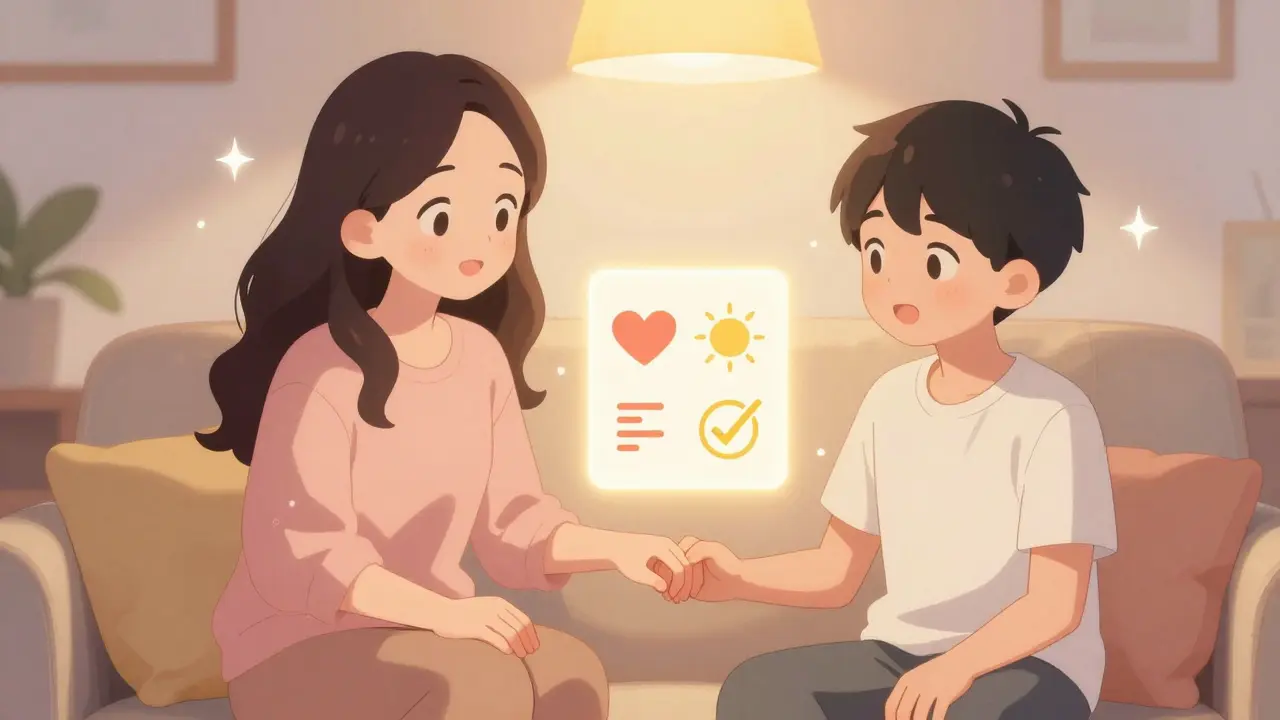
Not exactly. What happens is more subtle.Depression drains your energy. You feel hopeless, numb, stuck. Antidepressants don’t fix that overnight. In the first 1-3 weeks, many people feel worse before they feel better. Their mood stays low, but their energy starts to return. Suddenly, they have the strength to act on thoughts they’ve had for months - thoughts they were too tired to act on before.
It’s not that the drug creates suicidal thoughts. It’s that it gives you the energy to follow through on them - if they were already there.
Think of it like this: Imagine you’re trapped in deep snow. You’re cold, exhausted, and can’t move. Then someone hands you a shovel. You’re still cold. You’re still scared. But now you can dig. Some people dig their way out. Others, in their panic, dig toward the edge of the cliff - and fall.
That’s why monitoring in the first few weeks is so critical. It’s not about avoiding the drug. It’s about watching closely when the body starts to wake up.
Which Antidepressants Carry the Highest Risk?
The warning applies to the whole class - but not all drugs are equal.Studies show that paroxetine (Paxil) carries a higher risk of suicidal behavior in young people than others. Fluoxetine (Prozac) has the lowest risk and is the only antidepressant FDA-approved for treating depression in children as young as 8. Sertraline and fluvoxamine are also considered safer options for teens with OCD.
A 2021 meta-analysis in JAMA Psychiatry found that risk varies widely by drug. Some show almost no increase in suicidal events. Others, especially older SSRIs, show higher rates. That’s why experts now say: Don’t treat all antidepressants the same. The choice of medication matters.
What Should You Do If You or Someone You Love Is Starting Antidepressants?
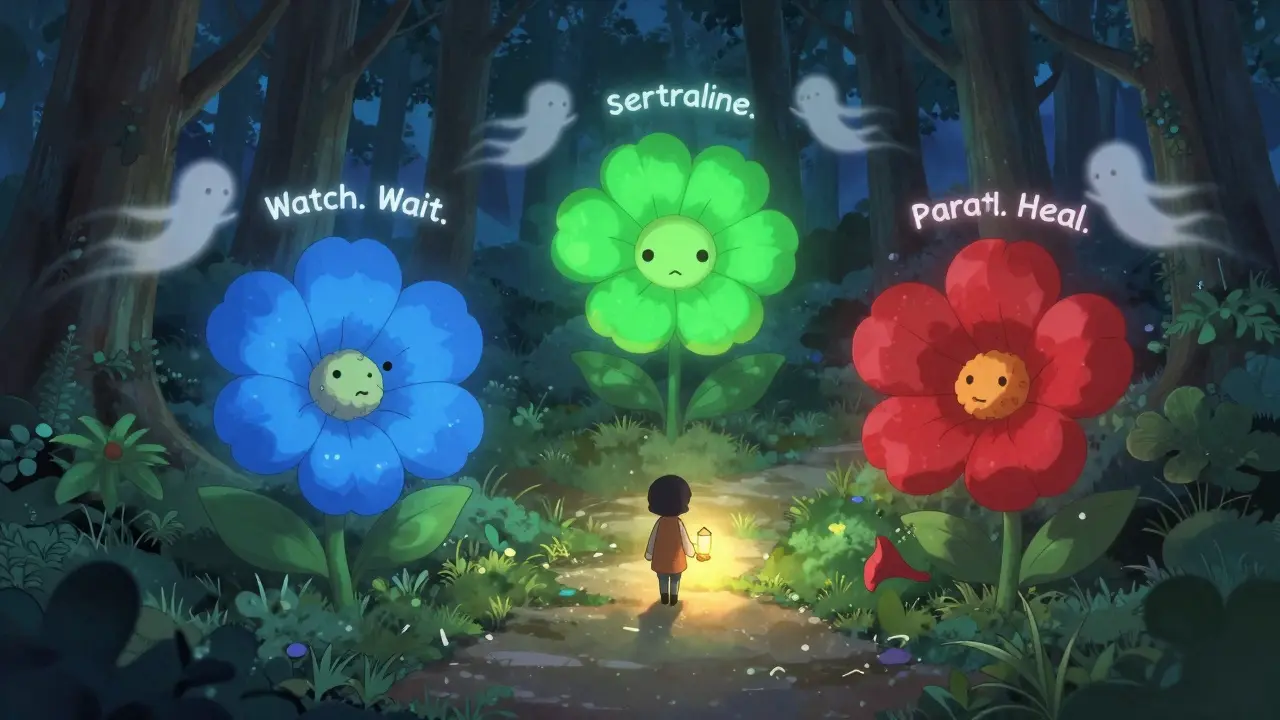
Here’s what actually works - based on real clinical practice:- Don’t skip treatment because of the warning. Depression kills. Antidepressants save lives - when used right.
- Start with fluoxetine or sertraline. These have the best safety record in young people.
- Expect a rough first 2-4 weeks. Mood may dip. Energy may rise. That’s normal. Don’t panic.
- Check in every week for the first month. Call your doctor. Text your therapist. Have someone at home check in daily.
- Watch for red flags: Talking about death, giving away belongings, sudden calm after deep despair, withdrawing completely, or acting recklessly.
- Keep all medications locked up. Even if the person seems fine, impulsive acts happen fast.
Parents: Talk to your teen about this warning - honestly. Say: "This medicine can make you feel worse before it helps. We’re going to watch you closely. If you feel like you want to hurt yourself, tell me right away. I won’t get mad. I’ll help you."
Is the Warning Still Necessary?
The FDA kept the black box warning in 2022 after reviewing new data. But they tweaked the language to say: "The benefits of antidepressants for treating depression in young people generally outweigh the risks." That’s a big shift.Experts are calling for a new approach: medication-specific warnings instead of a blanket one. Instead of scaring people away from all antidepressants, we should be guiding them toward the safest ones and away from the riskier ones.
The American College of Neuropsychopharmacology says the future is in personalized care: matching the right drug to the right person, with close follow-up in the first 30 days. That’s what works.
Final Thought: The Real Danger Isn’t the Medicine - It’s the Silence
The black box warning was meant to protect. But silence - from scared parents, hesitant doctors, and misunderstood patients - is what’s killing.Depression doesn’t shout. It whispers. And when you’re too tired to fight it, the last thing you need is another reason to give up.
If you’re on antidepressants and feel worse, don’t quit. Call your doctor. Tell someone. You’re not broken. You’re in the middle of a process - and you’re not alone.
Antidepressants aren’t magic. But they’re one of the few tools we have that can actually bring someone back from the edge. The warning isn’t a reason to avoid them. It’s a reason to use them wisely - with care, with attention, and with love.

Comments
So let me get this straight-you’re telling me the medicine that’s supposed to fix me might also make me wanna jump off a bridge? Cool. Just cool. I’ll take the depression, thanks.
this is all a big pharma scam they make you feel worse so you keep buying the pills and dont notice the real cause is your phone and social media and the government controlling your brain with 5g
i mean yeah the warning is wild but like... i started zoloft and felt like a zombie for two weeks then one day i cried while making toast and i was like ohhh this is what joy feels like lmao
I want to tell every young person reading this: you are not broken. You are not a burden. The fact that you're even here, reading this, means you're still fighting. And that takes more courage than any pill can give you. The first few weeks are hell-I know. But don’t quit. Talk to someone. Even if it’s a stranger on the internet. You’re not alone. I’ve been there. And I’m still here. You will be too.
the warning makes sense but the way it's presented scares people into doing nothing. that's the real tragedy. sometimes the cure is scarier than the disease
The data is clear: the black box warning, while well-intentioned, created a public health crisis by reducing access to effective treatment. The increase in youth suicide rates post-2004 is not a coincidence-it’s a direct consequence of fear-driven policy. We need to move from blanket warnings to evidence-based, medication-specific guidance. Fluoxetine remains the gold standard for adolescents. Why? Because the data supports it. Not anecdotes. Not fear. Data.
you people are so naive. the pharmaceutical companies paid off the FDA and now they’re selling death in pill form. they don’t care if you live or die as long as you keep buying. and now you’re just gonna sit there and thank them for the warning? lol. wake up. this is all a money scheme. depression is a spiritual issue anyway. pray more.
i think the real problem is that no one talks about how antidepressants make you feel like a robot for like 3 weeks then suddenly you’re crying in the shower over a dog commercial and you don’t even know why. like... is this healing or am i just emotionally hacked
this whole thing is why america is weak. other countries don’t coddle kids with warnings. you get depressed? suck it up. get outside. lift weights. stop taking the weak pills. this country is falling apart because we treat mental health like a glass egg instead of a muscle.