

Chloramphenicol is a powerful antibiotic that has saved countless lives in both human and veterinary medicine. But if you are looking to buy chloramphenicol online, the path is not as simple as adding an item to a cart and checking out. This medication sits in a complex regulatory gray area depending on where you live and what you intend to use it for. For humans, its availability is heavily restricted due to serious safety risks. For animals, it remains a vital treatment option but requires strict professional oversight.
The internet offers various channels to obtain this drug, from licensed veterinary pharmacies to scientific supply houses. However, navigating these options requires understanding the legal boundaries, the health implications, and the difference between pharmaceutical-grade medication and laboratory chemicals. Getting this wrong can lead to ineffective treatment, severe health consequences, or legal trouble.
Why Chloramphenicol Is Restricted for Human Use
Before discussing where to buy it, we need to address why you might not find it easily available for personal human use. Chloramphenicol was once a go-to antibiotic for everything from typhoid fever to eye infections. Today, most countries have severely limited its use in humans. The reason is a rare but potentially fatal side effect known as aplastic anemia.
This condition destroys your bone marrow’s ability to produce new blood cells. Unlike other side effects that appear immediately, aplastic anemia can develop weeks after stopping the medication and is often irreversible. Because safer alternatives exist for most bacterial infections, regulatory bodies like the FDA in the United States and the EMA in Europe restrict chloramphenicol to specific cases where no other option works, such as certain meningitis cases or severe eye infections.
In Australia, where I am based, chloramphenicol is listed as a Schedule 4 (Prescription Only) medicine. You cannot simply walk into a pharmacy or order it from a generic online retailer without a valid prescription from a licensed practitioner. Even then, it is rarely prescribed unless absolutely necessary. If you believe you need this medication for a human health issue, consult a doctor immediately. Do not attempt to source it through unverified online channels.
Veterinary Applications: The Primary Market
While human use is declining, chloramphenicol remains a critical tool in veterinary medicine. It is widely used to treat bacterial infections in horses, dogs, cats, and other small animals. In horses, for example, it is often the drug of choice for respiratory infections because it penetrates tissues effectively and has a broad spectrum of activity against resistant bacteria.
If you are a pet owner or a livestock manager, buying chloramphenicol online is possible, but only through legitimate veterinary pharmacies. These platforms operate under strict regulations to ensure the medication is used correctly and safely. They require a valid prescription from a licensed veterinarian before any sale occurs. This process protects both the animal and the handler, ensuring the dosage is appropriate for the species and weight involved.
Reputable vendors include specialized compounding pharmacies like Rood & Riddle Veterinary Pharmacy or PetScript Pharmacy. These services offer compounded formulations, which means they can create custom dosages or delivery methods (like capsules or ointments) tailored to your animal’s needs. For instance, PetScript offers compounded chloramphenicol capsules in strengths ranging from 417mg to 750mg. These are not off-the-shelf products; they are prepared specifically for your vet’s instructions.
How to Purchase Through Licensed Veterinary Pharmacies
The process for obtaining veterinary-grade chloramphenicol is straightforward but requires coordination with your vet. Here is how it typically works:
- Consult Your Veterinarian: Your vet must diagnose the infection and determine that chloramphenicol is the best treatment option. They will write a prescription specifying the dosage, frequency, and duration.
- Choose a Licensed Pharmacy: Your vet may recommend a specific pharmacy, or you can choose one that accepts their prescriptions. Ensure the pharmacy is licensed in your jurisdiction. For example, Rood & Riddle operates in Kentucky but ships nationwide in the US, while Australian vets will direct you to local compounding pharmacies registered with the relevant state authority.
- Submit the Prescription: Most reputable pharmacies accept prescriptions via fax, email, or secure online portals. Some, like Rood & Riddle, allow veterinarians to call directly to place orders. You generally cannot submit a prescription yourself without the vet’s involvement to prevent fraud.
- Payment and Shipping: Once the prescription is verified, you pay for the medication and shipping. Prices vary based on formulation and quantity. Expect to pay more for compounded versions than standard tablets, but you get precise dosing.
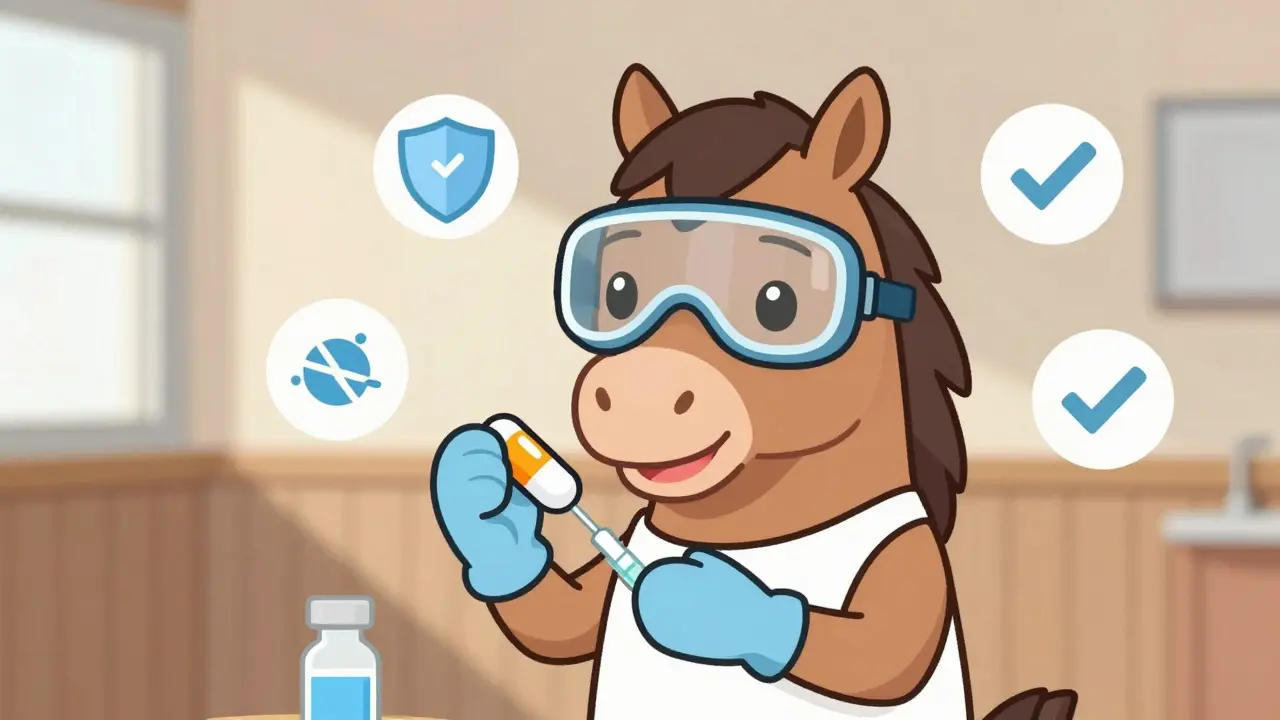
A key safety note here: Northwest Compounders and other suppliers warn that chloramphenicol has high toxicity levels if handled improperly by humans. Always wear gloves when handling the medication, even if it is intended for an animal. Avoid contact with eyes and skin to prevent accidental absorption.

Research-Grade Chloramphenicol: Not for Medical Use
You will also encounter websites selling chloramphenicol at seemingly low prices without requiring a prescription. These are typically scientific supply companies like Thermo Fisher Scientific, Adooq Bioscience, or Zymo Research. They sell chloramphenicol as a chemical reagent for laboratory research, not as a medication.
This distinction is crucial. Research-grade chloramphenicol is intended for use in cell cultures, microbiology experiments, or biochemical assays. It is not manufactured to pharmaceutical standards. Purity levels might be high (e.g., 98% purity), but the product lacks the rigorous testing for sterility, bioavailability, and safety required for medical use. Using research chemicals for human or veterinary treatment is dangerous and illegal in many jurisdictions.
For example, Adooq Bioscience sells chloramphenicol starting at $35 for 500mg, explicitly stating "for research use only." Thermo Fisher offers quantities up to 100 grams for cell biology applications. These products come in bottles or vials designed for lab benches, not medicine cabinets. Buying from these sources does not provide you with a safe, effective, or legal medication for treating infections.
Red Flags: Identifying Unsafe Online Sellers
The internet is full of dubious websites claiming to sell cheap antibiotics without prescriptions. Sites like CheapMedicineShop.com or HealthWarehouse.com may list chloramphenicol products, but consumers must exercise extreme caution. Many of these platforms operate in legal gray areas or violate local laws by dispensing prescription drugs without proper authorization.
Here are signs that an online seller is unsafe:
- No Prescription Required: Legitimate pharmacies always require a valid prescription from a licensed professional. If a site asks only for your credit card and shipping address, avoid it.
- Unrealistically Low Prices: While generic antibiotics can be affordable, prices that seem too good to be true often indicate counterfeit or substandard products. A bottle of capsules for $3.70 might sound cheap, but consider the cost of manufacturing, testing, and shipping genuine pharmaceuticals.
- Lack of Contact Information: Reputable pharmacies provide clear contact details, including physical addresses and phone numbers. Anonymous sites with only email forms are risky.
- Aggressive Marketing: Sites that spam search results with ads promising "instant relief" or "no questions asked" are often scams. Genuine healthcare providers prioritize safety over sales volume.
Counterfeit medications can contain incorrect doses, harmful contaminants, or no active ingredient at all. Taking a fake antibiotic can delay proper treatment, allowing the infection to worsen or develop resistance.
Legal and Regulatory Considerations by Region
Laws regarding chloramphenicol vary significantly across countries. In the European Union, it is banned for food-producing animals due to concerns about residues in meat and milk, though it may still be used in companion animals under strict conditions. In the United States, it is available for veterinary use but tightly regulated. In Australia, it is prescription-only for both human and veterinary use, with additional restrictions on its importation.
If you are traveling or importing medication, check with your local health authority. Bringing chloramphenicol across borders without proper documentation can result in confiscation, fines, or legal action. Always declare medications honestly and carry copies of prescriptions.
For researchers, importing research-grade chemicals usually requires different permits, such as those from customs agencies, rather than health department approvals. However, these permits do not authorize medical use.
Safety Precautions When Handling Chloramphenicol
Whether you are a veterinarian, a pet owner, or a lab technician, handling chloramphenicol requires care. The drug can cause adverse reactions in humans through prolonged exposure, even if not ingested.
- Wear Protective Gear: Use gloves and eye protection when preparing or administering the medication. Wash hands thoroughly afterward.
- Avoid Inhalation: Do not crush tablets or open capsules unnecessarily, as inhaling the powder can irritate the respiratory tract.
- Store Securely: Keep the medication in a cool, dry place away from children and pets. Follow storage instructions on the label, which may include refrigeration for certain compounded forms.
- Monitor for Side Effects: In animals, watch for signs of gastrointestinal upset, loss of appetite, or lethargy. Report any unusual symptoms to your vet immediately.
Pregnant women and individuals with compromised immune systems should avoid handling chloramphenicol altogether if possible, due to heightened sensitivity risks.
Can I buy chloramphenicol online without a prescription?
No, not legally for medical use. Legitimate veterinary pharmacies require a valid prescription from a licensed veterinarian. Websites offering it without a prescription are either selling research-grade chemicals (not for medical use) or operating illegally, posing significant health and legal risks.
Is chloramphenicol safe for humans?
It carries serious risks, including aplastic anemia, a potentially fatal condition affecting bone marrow. Due to this, it is rarely prescribed for humans today and only used when no safer alternatives exist. Never self-medicate with chloramphenicol.
What is the difference between veterinary and research-grade chloramphenicol?
Veterinary-grade chloramphenicol is manufactured to pharmaceutical standards, tested for safety and efficacy in animals, and dispensed with a prescription. Research-grade is sold as a chemical reagent for laboratory experiments, lacks medical safety testing, and is explicitly labeled "for research use only." It should never be used to treat people or animals.
Where can I legally purchase chloramphenicol for my horse or dog?
Through licensed veterinary pharmacies such as Rood & Riddle, PetScript, or local compounding pharmacies recommended by your veterinarian. You must provide a valid prescription from a vet who has examined your animal.
Are there any safe alternatives to chloramphenicol for bacterial infections?
Yes, many safer antibiotics are available for both humans and animals, such as amoxicillin, cephalexin, or enrofloxacin, depending on the type of infection. A veterinarian or doctor can prescribe the most appropriate alternative based on diagnostic tests.