
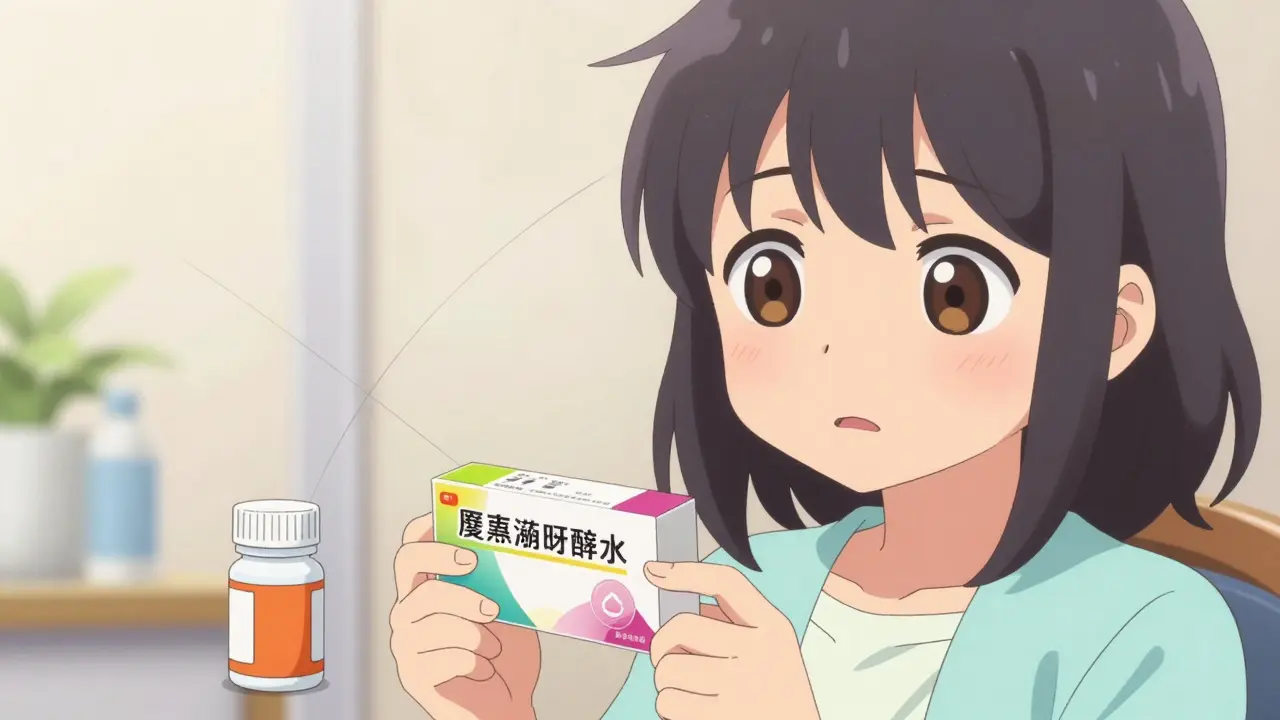
You might think a simple cold is the worst thing that could happen during winter. You reach for the box of cold medicine on your shelf, grab a tablet for your runny nose, and swallow it with water. If you are currently taking an antidepressant called an MAOI(Monoamine Oxidase Inhibitor), that quick decision could send you to the emergency room.
This isn't scaremongering; it's medical fact. Every year, thousands of people unknowingly combine these life-saving psychiatric medications with harmless-seeming cough syrups or decongestants. The result is not just a bad side effect-it's a potentially deadly chain reaction in your blood vessels and brain chemistry. Understanding this risk is non-negotiable for anyone prescribed this specific class of medication.
The MAOI Mechanism: Why Your Brain Chemistry Changes
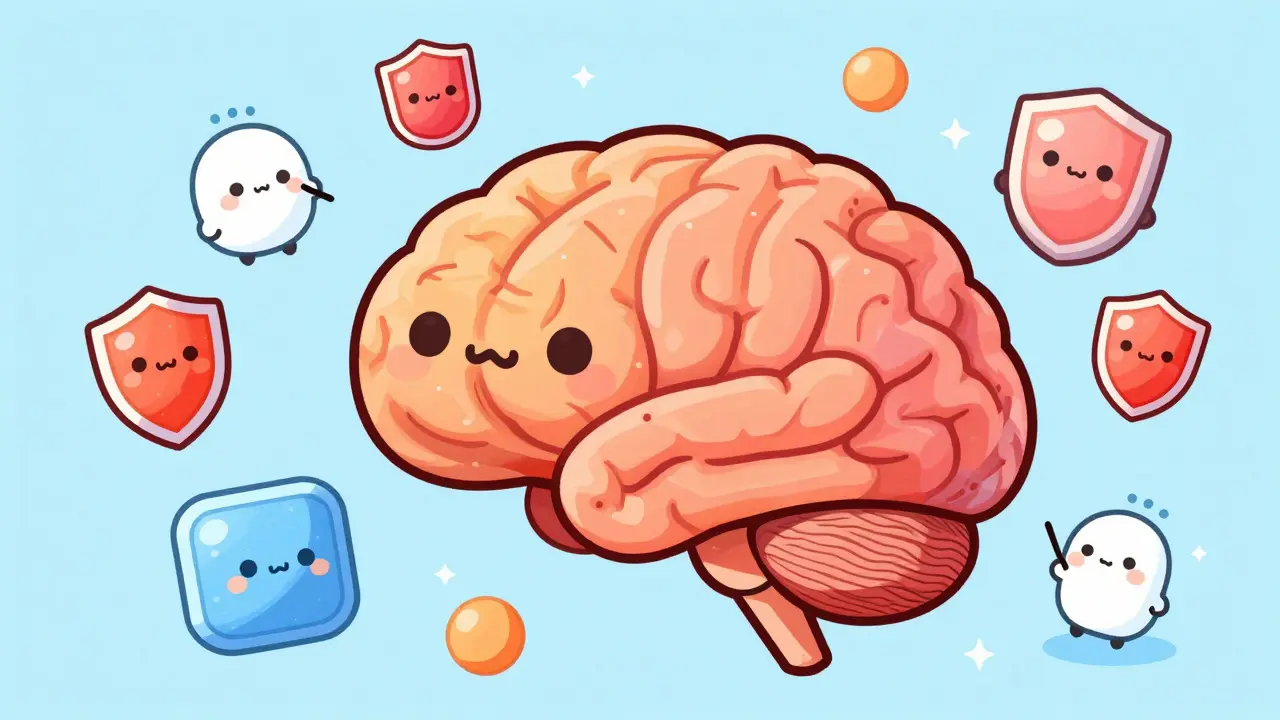
To understand why the interaction happens, you have to look at how these drugs work differently from others. Most modern antidepressants work by blocking the reabsorption of chemicals in your brain. MAOIs work differently. They block an enzyme called monoamine oxidase. Think of this enzyme as the body's cleanup crew. Its job is to break down neurotransmitters like serotonin, dopamine, and norepinephrine after they've done their work.
When you take an MAOI, you effectively turn off the cleanup crew. This allows these natural mood-boosting chemicals to linger longer in your brain, lifting severe, treatment-resistant depression. That's why doctors still prescribe them despite newer options being available. However, when that cleanup crew is disabled, it can't handle the surge of other chemicals introduced by certain over-the-counter products.
If you introduce something that forces your body to release more of these chemicals-like a decongestant-the levels skyrocket uncontrollably. Because the breakdown process is inhibited, there is no safety valve. The pressure builds until your system crashes. This is the core reason why MAOIs demand such strict caution compared to other antidepressants like SSRIs.
Hypertensive Crisis: The Blood Pressure Danger Zone
The most immediate physical threat is what doctors call a hypertensive crisis. This occurs specifically with sympathomimetic agents found in many cold remedies. These agents are designed to stimulate your sympathetic nervous system, the part of your body responsible for the "fight or flight" response.
Normally, when you take a nasal decongestant, it causes your blood vessels to constrict slightly to reduce swelling in your nose. In a typical patient, this raises blood pressure negligibly. In a patient taking an MAOI, that signal gets amplified to dangerous levels. A study published in JAMA Psychiatry found that even a single 30mg dose of pseudoephedrine caused an average blood pressure spike of 42/28 mmHg in patients taking phenelzine.
To put that in perspective, normal blood pressure is around 120/80. A spike of that magnitude puts significant strain on your heart and brain tissues. We aren't talking about feeling a little jittery. We are talking about readings exceeding 220/110 mmHg, a level where organs begin to fail due to lack of oxygen delivery and potential stroke risk. The FDA's Adverse Event Reporting System documented over 100 cases of this specific crisis between 2018 and 2022 alone.
Serotonin Syndrome: When Mood Boosters Turn Toxic
While high blood pressure is the most famous risk, there is another silent killer lurking in the ingredient list: serotonin syndrome. This condition happens when you have too much serotonin in your system. MAOIs increase baseline serotonin, but combining them with other serotonergic agents pushes you past the threshold.
Dextromethorphan is the common culprit here. Found in many cough suppressants (the "DM" stands for dextromethorphan), it is generally considered safe for most people. For someone on an SSRI, it requires caution. For someone on an MAOI, it is strictly contraindicated. The combination is classified as the "most toxic" by medical guidelines because the enzymes that would normally degrade excess serotonin are already blocked by your daily medication.
Symptoms progress quickly. It starts with mental confusion, restlessness, and dilated pupils. It moves rapidly to physical signs: heavy sweating, muscle rigidity, tremors, and rapid heart rate. Unlike a mild allergic reaction, this condition can lead to seizures, organ damage, and coma if not treated immediately. The American Psychiatric Association emphasizes that switching between these types of meds requires a 14-day washout period precisely to avoid this buildup.
The Forbidden Ingredients: What to Avoid
Reading medicine labels can be confusing because manufacturers often hide active ingredients behind long chemical names or combine them into multi-symptom formulas. Here is the definitive list of ingredients that trigger reactions with MAOIs:
- PseudoephedrineSudafed: A potent stimulant used for nasal congestion.
- PhenylephrineA milder decongestant often marketed as safer, but still carries risk for MAOI users
- DextromethorphanCommon cough suppressant causing serotonin overload
- PhenylpropanolamineAn older stimulant, now rarer, but still flagged in supplements
- Ephedrine: Often found in herbal energy boosters or traditional Chinese medicine blends.
The problem is ubiquity. A University of North Carolina study noted that nearly 80% of over-the-counter cold medications contain at least one of these prohibited ingredients. Many multi-symptom liquids labeled "Nighttime Severe" or "Daytime Defense" combine three active ingredients, making it easy to accidentally ingest a prohibited compound while thinking you are just treating a fever.
Safe Alternatives for Cold Symptoms
Does this mean you can never treat a cold? Absolutely not. The goal is to treat symptoms without triggering the chemical cascade. There are plenty of safe options that target specific issues without affecting your brain chemistry.
| Symptom | Unsafe (Avoid) | Safe Alternative |
|---|---|---|
| Nasal Congestion | Pseudoephedrine, Phenylephrine | Salt-water nasal spray, saline drops |
| Cough | Dextromethorphan, codeine | Guaifenesin (Mucinex type) |
| Pain/Fever | None (generally safe) | Acetaminophen (Tylenol) or Ibuprofen |
| Allergy/Sneezing | Avoid multi-symptom combos | Loratadine, Cetirizine (Second-gen antihistamines) |
For example, if you have a chesty cough, a product containing only guaifenesin helps thin mucus without altering your serotonin levels. If your nose is stuffed, a saline rinse or steam inhalation works mechanically rather than chemically, posing zero risk. Always aim for single-ingredient medications. If you need both a pain reliever and a cough suppressant, buy two separate bottles rather than a "multi-action" solution.
The Emsam Patch Exception
You may hear about the selegiline transdermal patch (often known by the brand name Emsam). This delivers the MAOI directly through your skin. Some marketing suggests this method bypasses the stomach and avoids the food interaction risks (like tyramine in aged cheeses) associated with oral pills.
While it is true that low-dose patches (6 mg per 24 hours) have fewer dietary restrictions regarding foods like cheese or wine, the drug interaction risks remain exactly the same as the pills. Your liver is still processing the drug, and the OTC medication interaction risks do not change. Do not assume the patch makes you immune to the dangers of cold medicine. The black box warnings regarding sympathomimetics apply equally to the patch.
Creating Your Safety Protocol
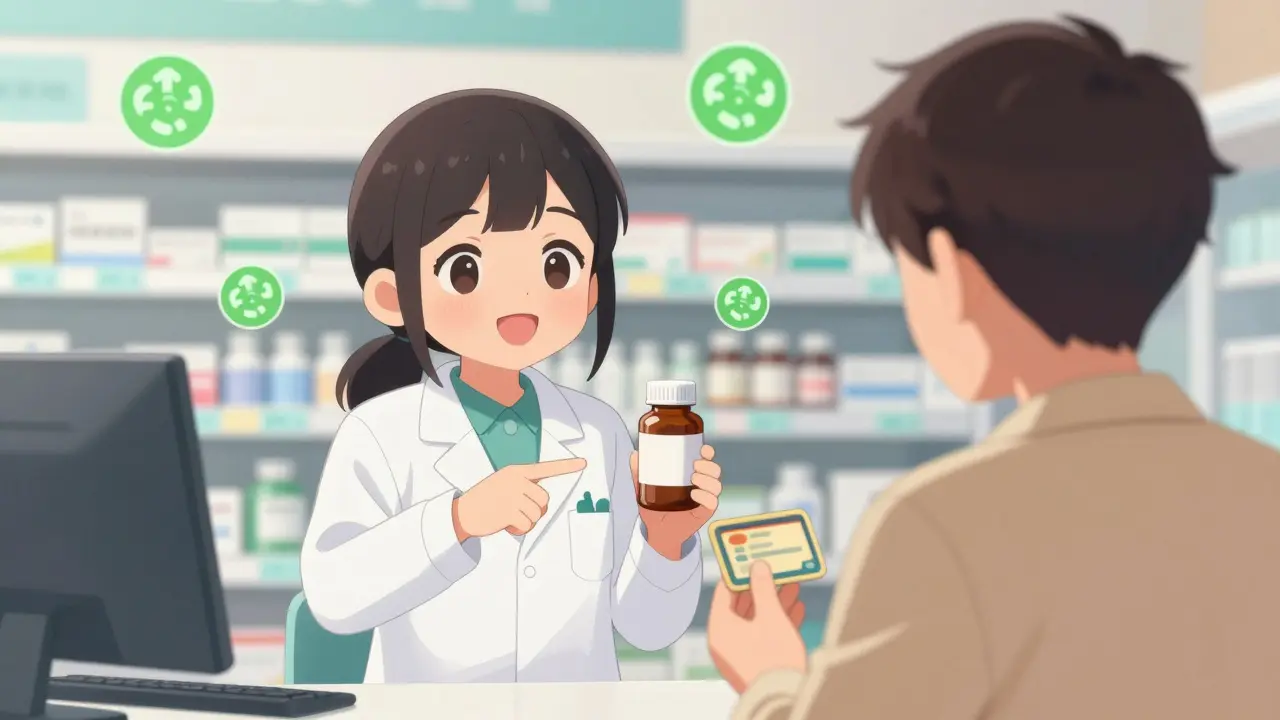
Managing this medication requires a proactive lifestyle change. You cannot rely on memory alone. The standard protocol recommended by psychiatrists involves carrying a wallet-sized card listing every forbidden substance. Keep it visible in your medicine cabinet.
Before buying anything, you must adopt the "Label First" rule. Look at the Active Ingredients panel on the back bottle. Even natural herbs like St. John's Wort or yohimbine are technically contraindicated. When in doubt, show the bottle to your pharmacist. Tell them clearly: "I am on an MAOI." They will scan the barcode and flag incompatibilities instantly.
If you suspect you have taken a bad combo, look for the warning signs: pounding headache, neck stiffness, vomiting, and palpitations. These symptoms can escalate in minutes. Do not wait to see if they pass. Call emergency services immediately. Speed is critical in hypertensive management.
Can I take aspirin while on MAOIs?
Yes, aspirin and acetaminophen are generally safe for pain relief. However, always check for combination formulas that might mix aspirin with decongestants or caffeine enhancers.
How long do I need to wait after stopping an MAOI?
The standard washout period is at least 14 days (two weeks). Because MAOIs irreversibly bind to the enzyme, your body needs time to generate new enzymes before it is safe to take other serotonergic drugs.
Is alcohol a problem with MAOIs?
Alcohol itself isn't the issue, but aged alcoholic beverages (beer, wine, sherry) contain high levels of tyramine, which triggers hypertensive crisis. Fermented beers and wines must be avoided entirely.
What should I do if I have a runny nose?
Stick to second-generation antihistamines like Loratadine or Cetirizine. These treat allergy-related runny noses without raising blood pressure.
Why are MAOIs still prescribed today?
Despite the risks, they remain highly effective for treatment-resistant depression, bipolar depression, and atypical depression, offering response rates of over 50% where newer drugs fail.

Comments
One wrong pill ends that right now.
Always check the active ingredients panel before buying anything over the counter. Saline sprays work really well without messing up your brain chemistry. Acetaminophen is fine for pain relief as long as it does not have caffeine added. Keep a list of forbidden stuff in your medicine cabinet at all times. It saves so much trouble later when you feel sick. Talk to your pharmacist about every single bottle you pick up. They can scan codes instantly to stop bad combos.
This!! Is!!!! Critical!!! information;!! for;;; everyone!! who;; takes;; meds;;;;!
😬😬😬 Totally agree!! But seriously! 😠👀 Read the labels! 💊⚠️
My uncle took a cough drop once and ended up in intensive care unit. The nurse told us his blood pressure was like a bomb waiting to explode. We were shaking the whole time waiting for results. He screamed so loud during the headache phase it woke up the hospital wing. Nobody thought about checking the ingredients back then because he was just a kid. It changed how we shop forever and never let anyone touch their stash now. The trauma of watching someone struggle while they overdose is hard to explain.
The nomenclature regarding hypertensive crises requires precision rather than theatrical descriptions of bombs exploding. Physicians observe spikes in systolic metrics exceeding acceptable physiological thresholds significantly. One must understand the enzyme inhibition mechanism fundamentally to grasp the lethality involved properly.
You absolutely must follow these protocols or face severe consequences. Ignorance is not an excuse when your heart rate goes into the red zone. Compliance is mandatory for survival and safety in this environment. We expect full adherence to medical guidelines regarding your medication intake. Protect yourself aggressively against accidental ingestion of dangerous compounds immediately.
It is baffling why people even bother taking these old drugs when they are so annoying. Just switch to something else and save yourself the headache entirely. Life is too short to worry about every single pill you swallow anyway.
That is a pretty rude take considering some people actually need this treatment. Not everyone gets to pick their mental health medication options freely or easily. Maybe read more before telling others how to live their lives online.
We need to talk seriously about keeping ourselves safe from common cold medications while managing serious depression treatments. First of all always read the active ingredient list on every box you buy in the pharmacy. Second do not trust marketing claims that say natural means safe for your specific condition. Third remember that tyramine in aged cheeses also affects how these drugs interact with your body system. Fourth check expiration dates on your own bottles so they do not degrade unexpectedly. Fifth ask your doctor for a physical card listing what substances are off limits completely. Sixth keep a backup plan of saline rinses for congestion rather than chemical blockers. Seventh monitor your mood changes closely whenever you feel physically ill with any virus. Eighth call emergency services if your head starts pounding like a sledgehammer hitting metal. Ninth do not drive yourself to the hospital if you suspect a spike is happening internally. Tenth inform friends and family about what to look for in your symptoms. Eleventh stay away from herbal blends unless verified by your prescribing psychiatrist specifically. Twelfth avoid alcohol consumption completely while the drug remains active in your bloodstream. Thirteenth understand that the patch version does not eliminate all the interaction risks either. Fourteenth respect the fourteen day washout period if switching medication classes eventually. Fifteenth prioritize your long term health over the temporary relief of a simple runny nose. Sixteen finally always err on the side of caution when dealing with life threatening interactions.