Bioequivalent medications are generic drugs proven to work the same as brand-name versions in the body. Learn how bioequivalence is tested, why some people notice differences, and what it really means for your health and wallet.
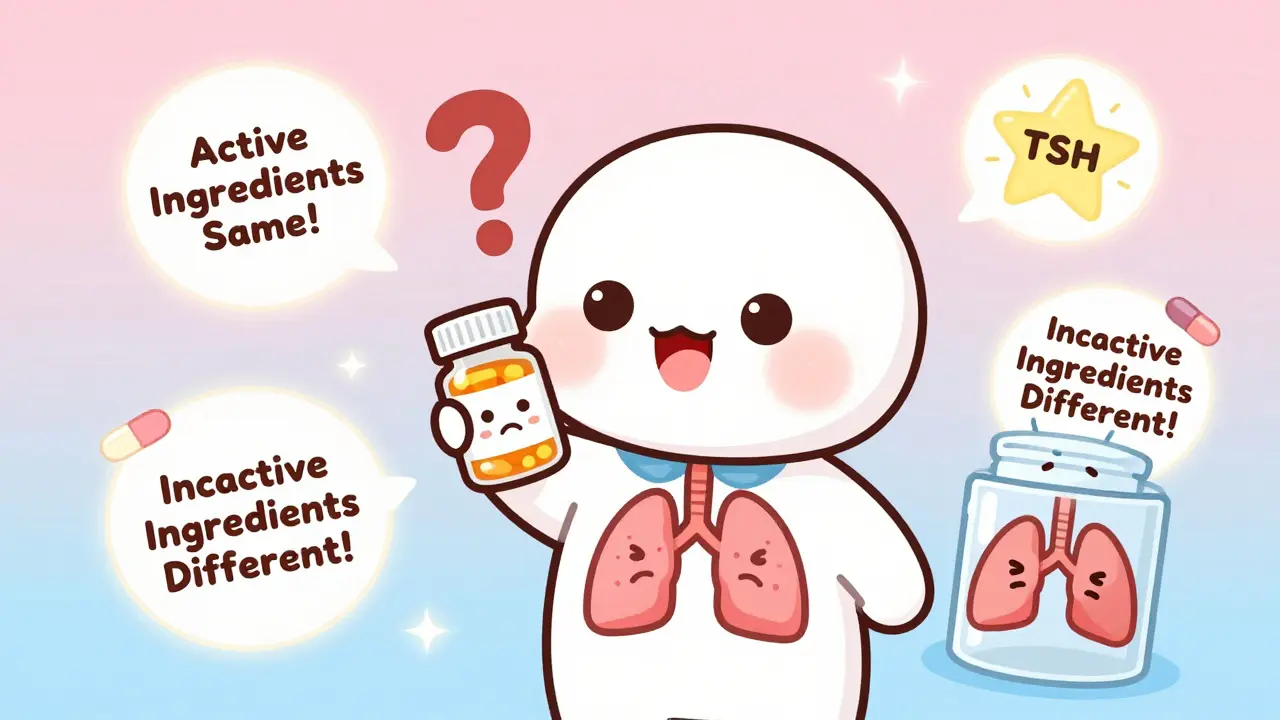
Generic combination drugs save money but may differ in inactive ingredients, affecting how they work in sensitive patients. Learn when these differences matter-and what to do if your medication stops working.
The Orange Book is the FDA's official guide to therapeutic equivalence between brand-name and generic drugs. Learn how TE codes determine if generics can be safely substituted-and why it matters for your health and wallet.
Pharmacists play a key role in recommending generic drugs to improve adherence and reduce costs. Learn how they communicate with prescribers using evidence, regulations, and technology to ensure safe, effective substitutions.