Auditory Processing Disorder (APD) isn't hearing loss-it's a brain-based difficulty making sense of sounds. Learn how it affects listening, why it's often misdiagnosed, and what real, evidence-based support works for kids and adults.
Intermittent fasting with time-restricted eating helps you lose weight by aligning meals with your body's natural rhythm. Science shows it burns more fat, improves insulin sensitivity, and works better than calorie counting for many people.
DBT skills offer practical, evidence-based tools for managing intense emotions, reducing self-harm, and surviving crises in Borderline Personality Disorder. Learn the four core modules and how to build a personal crisis plan.
Indemnification clauses in commercial contracts determine who pays when things go wrong. Learn the seven key elements, how unilateral vs. mutual indemnity works, and what to watch for before signing any agreement.
Biomarkers are now central to cancer clinical trial eligibility, turning treatment into precision medicine. Learn how genetic and molecular tests determine who qualifies-and what to do if you don’t.
Galactorrhea is milky nipple discharge not related to pregnancy or breastfeeding, often caused by high prolactin levels. It can lead to infertility but is treatable with medication like cabergoline. Learn the causes, diagnosis, and effective treatments.
Starting at 45, colorectal cancer screening saves lives. Colonoscopy finds and removes polyps before they turn cancerous. If cancer is found, modern chemotherapy regimens like FOLFOX and CAPOX improve survival. Know your options and act early.
Learn how to clean wounds properly, choose the right dressings, and prevent scars with simple, science-backed steps. Avoid common mistakes that delay healing and reduce infection risk.
Most sinus infections are viral and don’t need antibiotics. Learn how to tell the difference between viral and bacterial sinusitis, when antibiotics actually help, and what to do instead to recover safely.
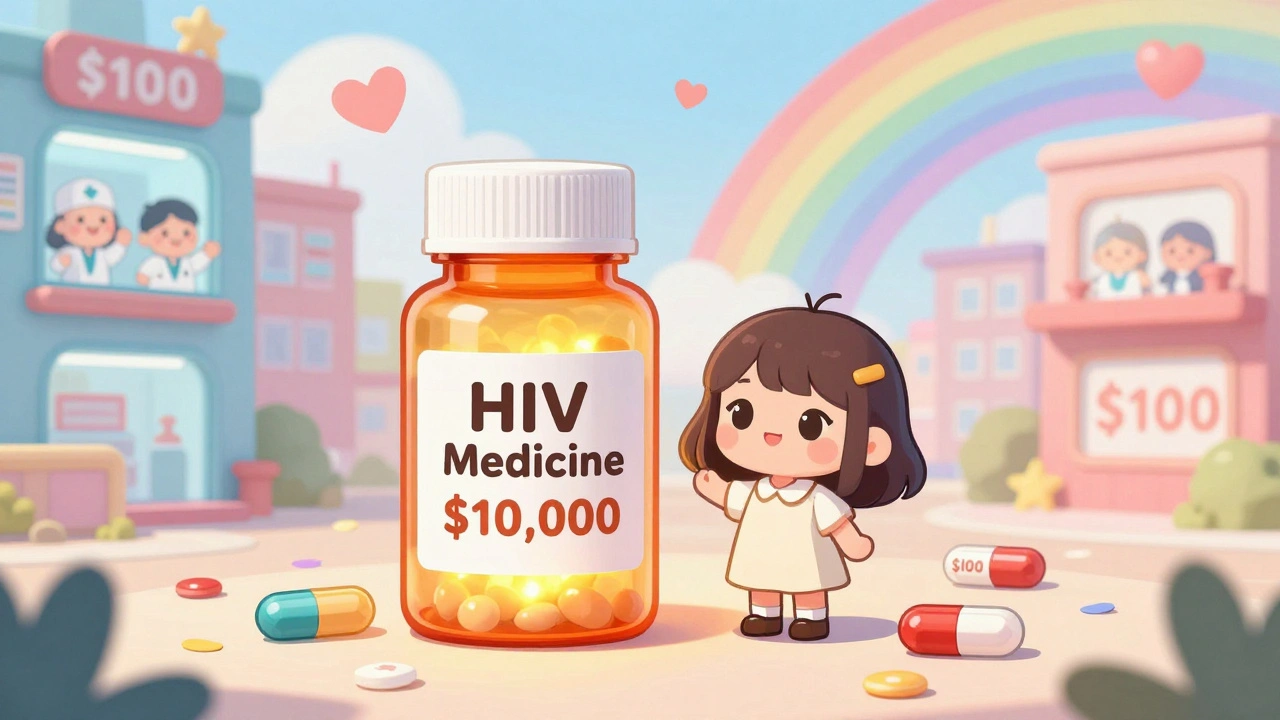
The TRIPS Agreement enforces global patent rules that block affordable generic medicines in low-income countries. Despite legal flexibilities, political pressure and complex bureaucracy make access nearly impossible for millions.