African-made antiretroviral generics are transforming HIV treatment access, with the first WHO-prequalified TLD produced in Kenya and delivered to Mozambique in 2025. Local manufacturing is cutting costs, improving supply chains, and building health sovereignty across the continent.
FDA facility inspections ensure the safety and quality of drugs, devices, and food by verifying compliance with manufacturing standards. Learn how inspections work, what inspectors look for, and how to prepare effectively.
Hepatitis B and C spread differently, test differently, and are treated differently. Learn how to prevent, test for, and treat both viruses with today’s best tools - and why millions still don’t get the care they need.
Most patent disputes settle before trial, avoiding costly litigation. Companies use structured negotiations, high-low agreements, and cross-licensing to resolve conflicts-turning legal battles into strategic partnerships.
Osteoarthritis affects over 500 million people worldwide and is not just normal aging. Learn how joint degeneration works, why pain management requires more than pills, and what actually helps - movement, weight loss, and education.
Auditory Processing Disorder (APD) isn't hearing loss-it's a brain-based difficulty making sense of sounds. Learn how it affects listening, why it's often misdiagnosed, and what real, evidence-based support works for kids and adults.
Bringing your actual pill bottles to medical appointments is one of the simplest ways to prevent dangerous medication errors. Learn exactly what to bring, why it matters, and how to prepare so your provider can keep you safe.
Learn how to read prescription drug safety labels to avoid dangerous side effects and interactions. Understand black box warnings, pharmacy label limits, and real strategies to stay safe with your medications.
Choosing the right insulin isn't about the newest drug-it's about matching type, timing, and cost to your daily life. Learn how basal-bolus regimens, analogs, and budget options compare for better diabetes control.
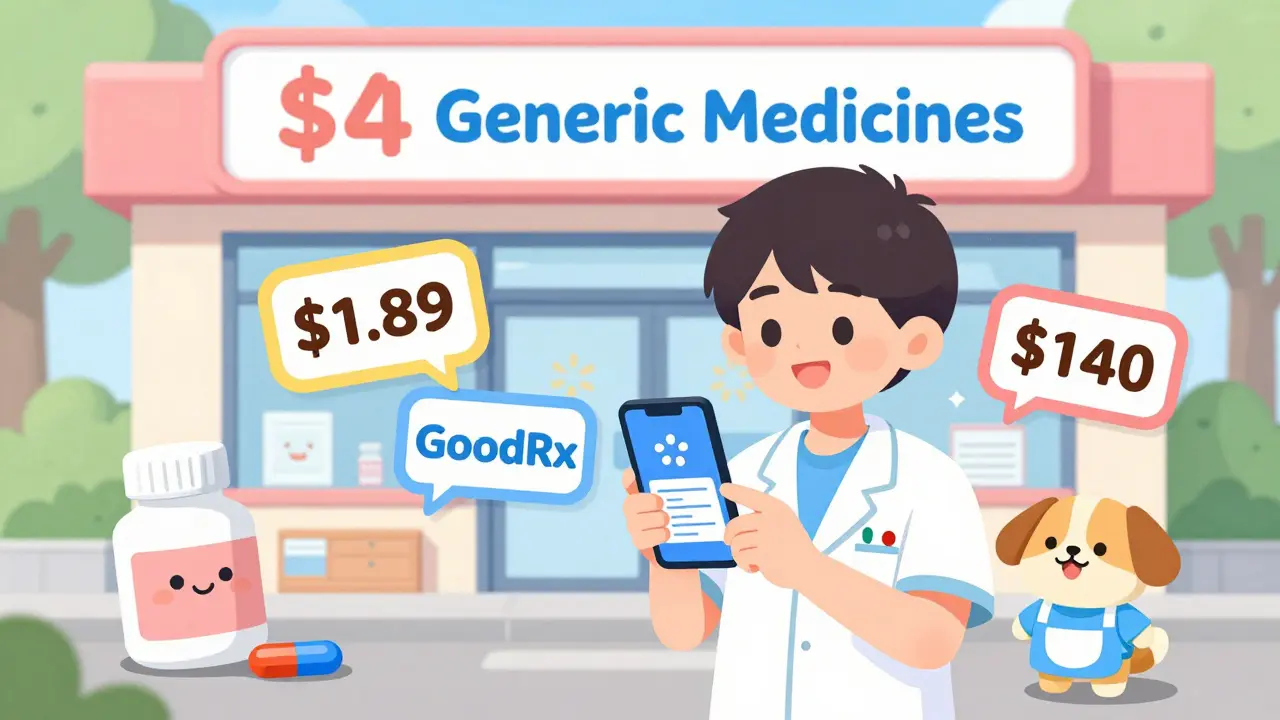
Learn how to find the lowest cash price for medications by comparing pharmacies, using discount tools like GoodRx, and understanding pricing differences between grocery stores, chains, and independents. Save up to 90% on generics.