Starting at 45, colorectal cancer screening saves lives. Colonoscopy finds and removes polyps before they turn cancerous. If cancer is found, modern chemotherapy regimens like FOLFOX and CAPOX improve survival. Know your options and act early.
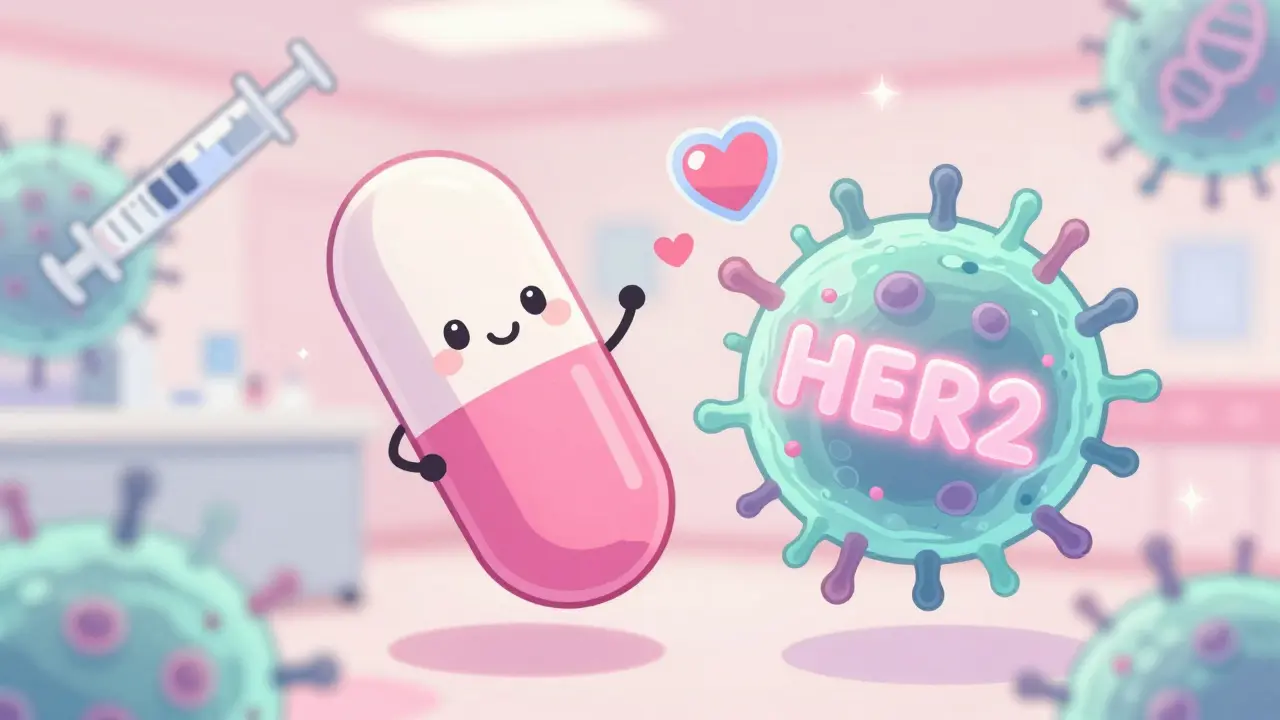
HER2-positive breast cancer is now highly treatable with targeted therapies like trastuzumab, T-DXd, and tucatinib. Learn how these drugs work, their side effects, and why newer options are changing survival rates.
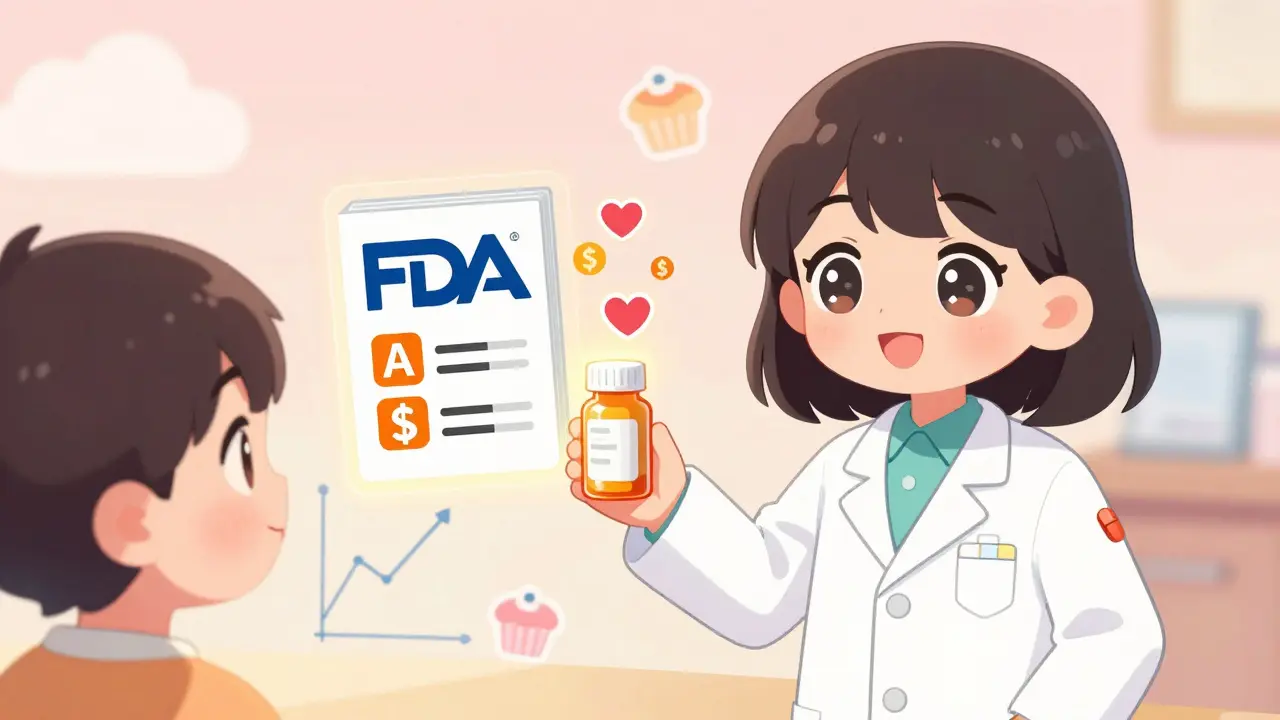
The Orange Book is the FDA's official guide to therapeutic equivalence between brand-name and generic drugs. Learn how TE codes determine if generics can be safely substituted-and why it matters for your health and wallet.
Gene therapy offers revolutionary cures but brings hidden dangers when combined with other drugs. From immune reactions to delayed cancers, the safety risks are unique-and we're still learning how to manage them.
Pharmacists play a key role in recommending generic drugs to improve adherence and reduce costs. Learn how they communicate with prescribers using evidence, regulations, and technology to ensure safe, effective substitutions.
Learn how to successfully appeal a denied medication prior authorization with step-by-step guidance, real data on approval rates, and proven strategies to get your prescription covered faster.
Drug-induced lupus is a reversible condition caused by certain medications. Learn the symptoms, how it's diagnosed, and how most people recover fully after stopping the drug. No lifelong treatment needed.
Generic drug recalls happen when safety or quality standards fail. Learn what triggers them-sterility issues, labeling errors, foreign manufacturing gaps-and how to protect yourself from risky medications.
Americans pay less for generic drugs than Europeans due to fierce market competition, while higher brand-name prices in the US fund global drug innovation. Here's how the systems differ-and why neither is perfect.
Learn how to clean wounds properly, choose the right dressings, and prevent scars with simple, science-backed steps. Avoid common mistakes that delay healing and reduce infection risk.