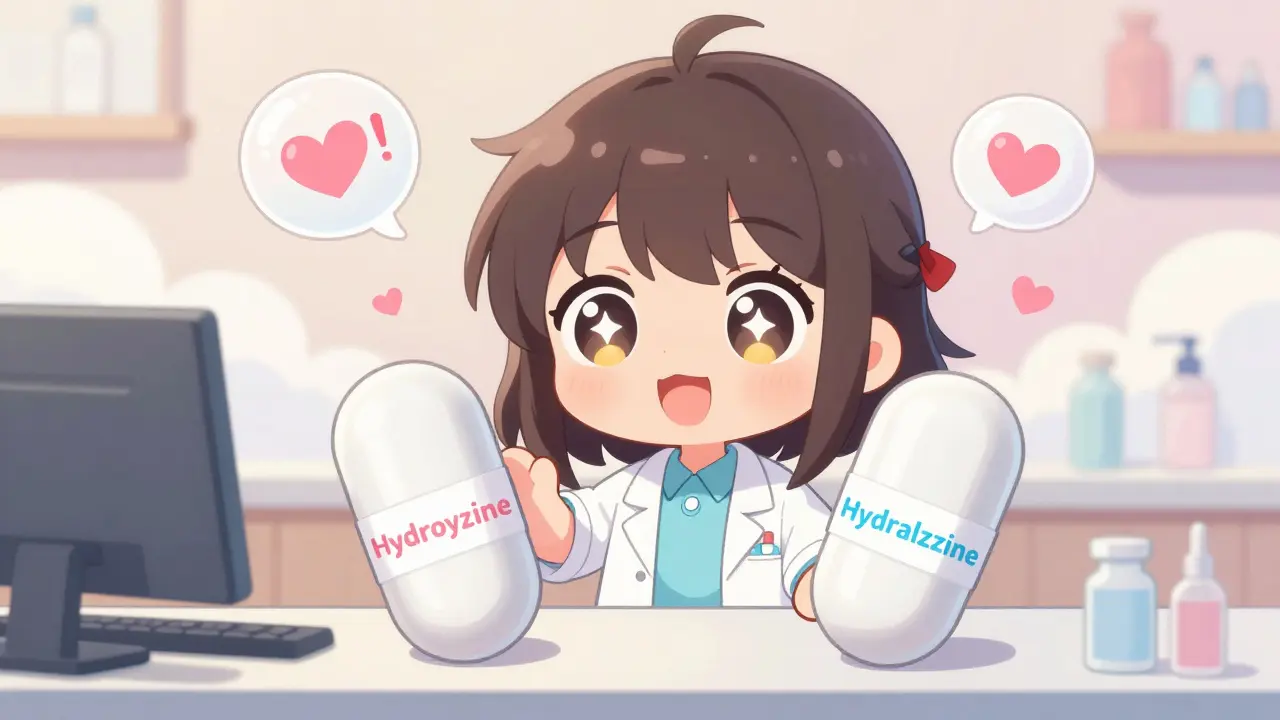
Look-alike, sound-alike (LASA) errors with generic drugs cause thousands of preventable medication mistakes each year. Learn how similar names and packaging put patients at risk - and what’s being done to stop it.
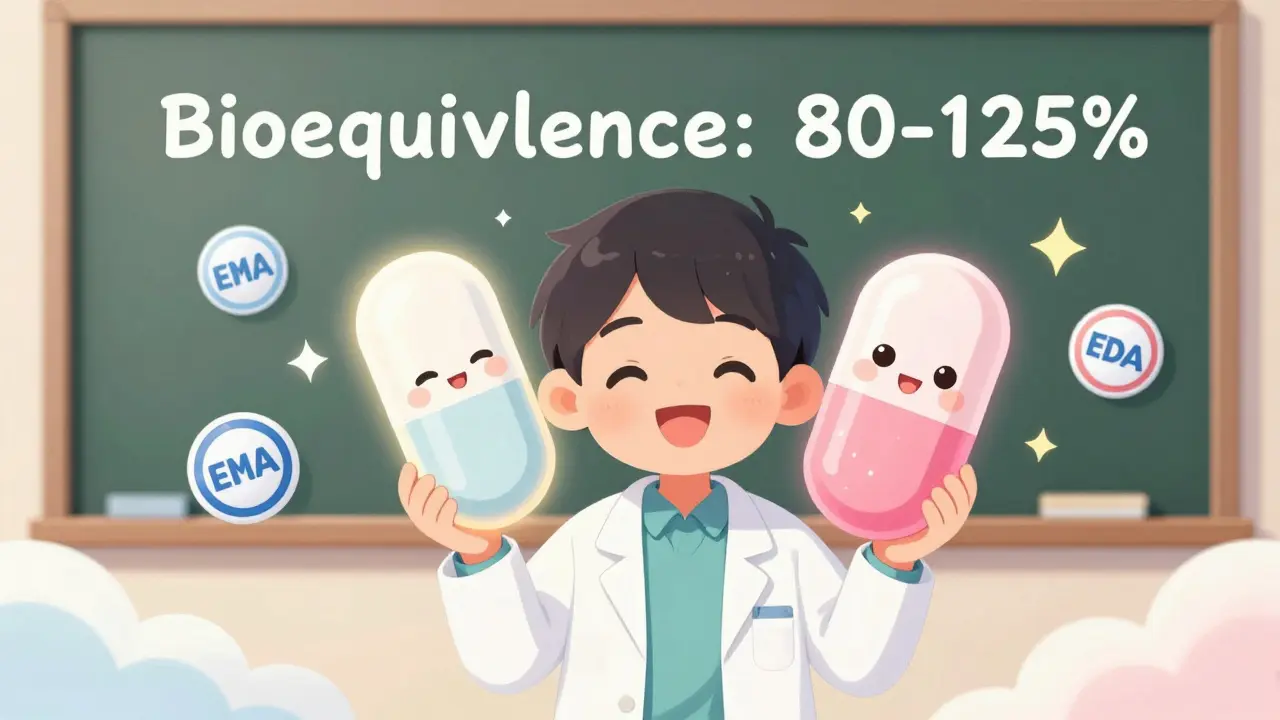
Bioequivalent medications are generic drugs proven to work the same as brand-name versions in the body. Learn how bioequivalence is tested, why some people notice differences, and what it really means for your health and wallet.
Despite being chemically identical and cheaper, many patients stick with brand-name medications due to trust, familiarity, and psychological comfort. This article explores why brand loyalty persists in pharmaceuticals and what it means for your health and wallet.
Despite generics making up 90% of prescriptions, many doctors lack training on bioequivalence. This article explores why medical education fails to teach drug equivalence-and what actually changes prescribing habits.
Switching from brand to generic drugs can save you hundreds a year-but not always safely. Learn when it's safe, when to be cautious, and what to watch for after the switch.
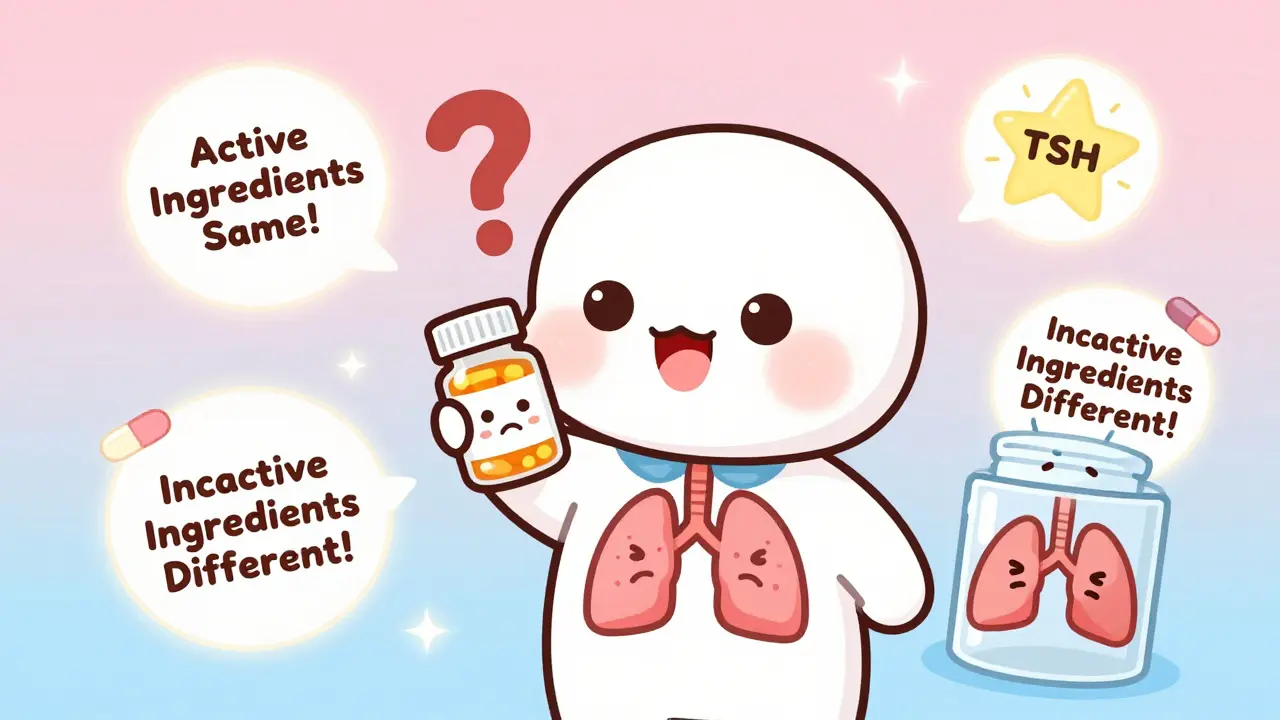
Generic combination drugs save money but may differ in inactive ingredients, affecting how they work in sensitive patients. Learn when these differences matter-and what to do if your medication stops working.
Media coverage often fuels mistrust in generic drugs despite scientific proof they're just as safe and effective as brand-name versions. Learn how news stories shape perceptions and what you can do to make informed choices.
Clinicians are raising alarms about generic drug quality, especially those made overseas. New data shows higher adverse event rates linked to manufacturing location - and the system isn't keeping up.
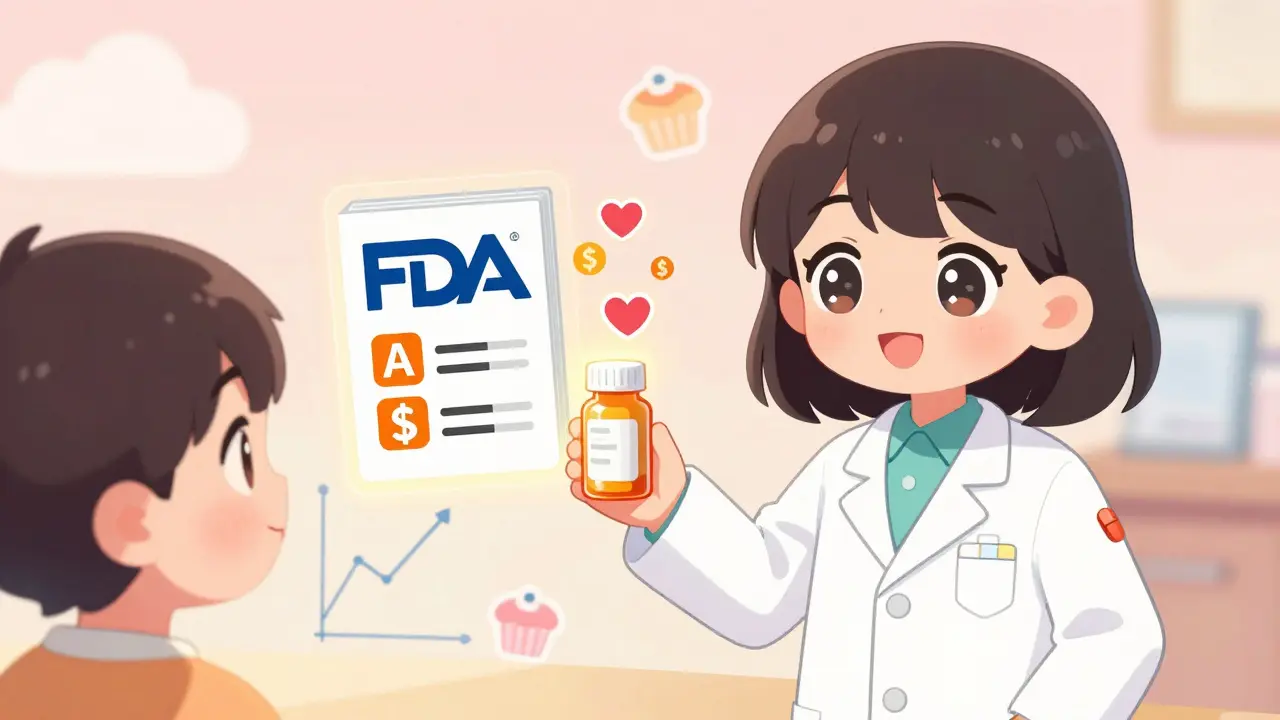
Pharmacists play a key role in recommending generic drugs to improve adherence and reduce costs. Learn how they communicate with prescribers using evidence, regulations, and technology to ensure safe, effective substitutions.