Unannounced FDA inspections ensure drug and food safety by catching real-world compliance issues-no prep time, no excuses. Since May 2025, foreign manufacturers face the same surprise visits as U.S. plants. Here's how to be ready.
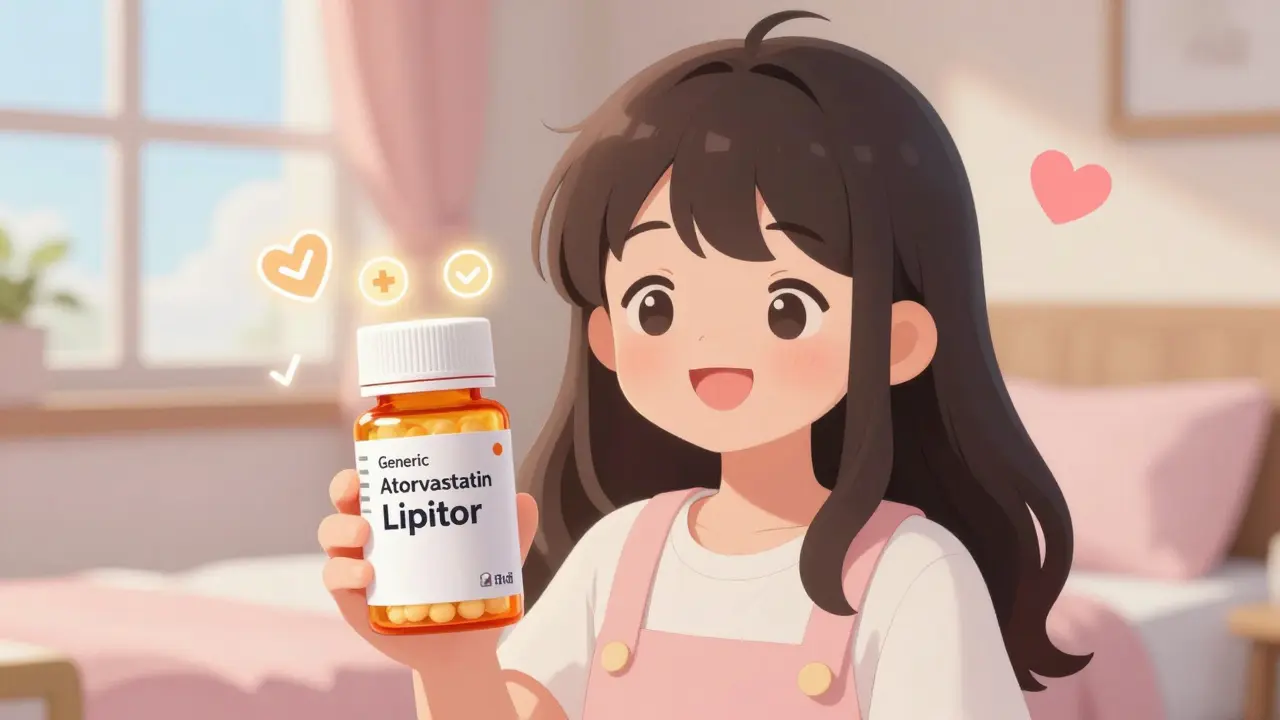
Learn how to check if a generic version of your prescription is available and safe to use. Save up to 98% on medication costs with FDA-approved generics - no guesswork needed.
Switching from brand to generic drugs can save you hundreds a year-but not always safely. Learn when it's safe, when to be cautious, and what to watch for after the switch.
Learn how to safely translate medication names and dosages when filling prescriptions abroad. Avoid dangerous mix-ups with generic names, dosage formats, and brand equivalents - and know what to bring before you travel.
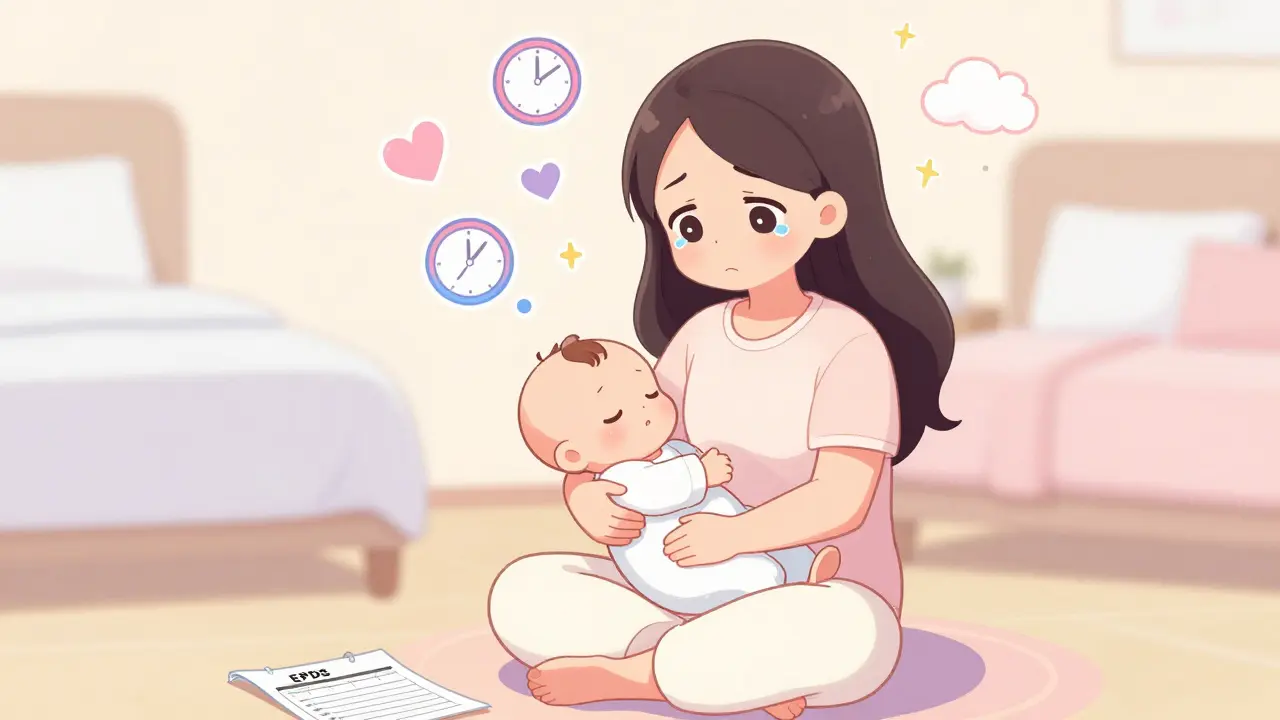
Postpartum anxiety affects 1 in 5 new parents and is often missed. Learn the key symptoms, how screening works, and proven care pathways-including therapy, medication, and digital tools-that actually help.
Learn how to read contraindications and warnings on drug labels to avoid dangerous side effects. Understand FDA-required sections like boxed warnings, contraindications, and OTC Drug Facts for safer medication use.
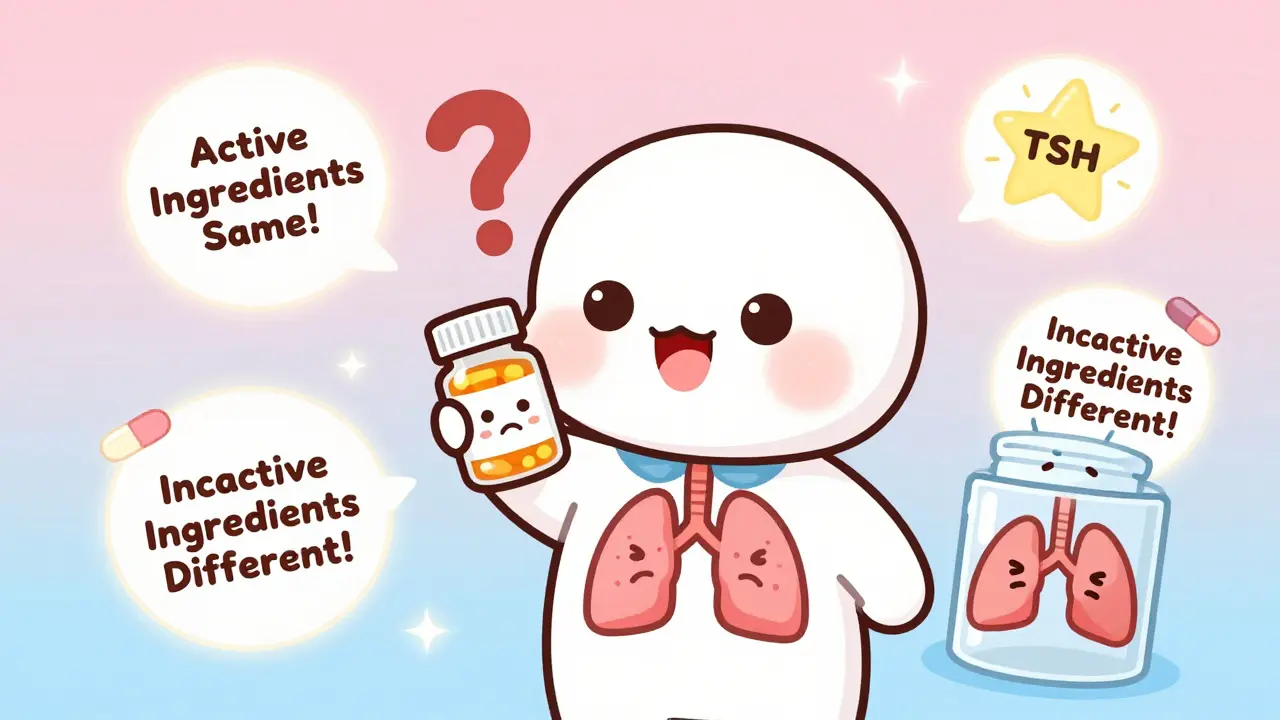
Generic combination drugs save money but may differ in inactive ingredients, affecting how they work in sensitive patients. Learn when these differences matter-and what to do if your medication stops working.
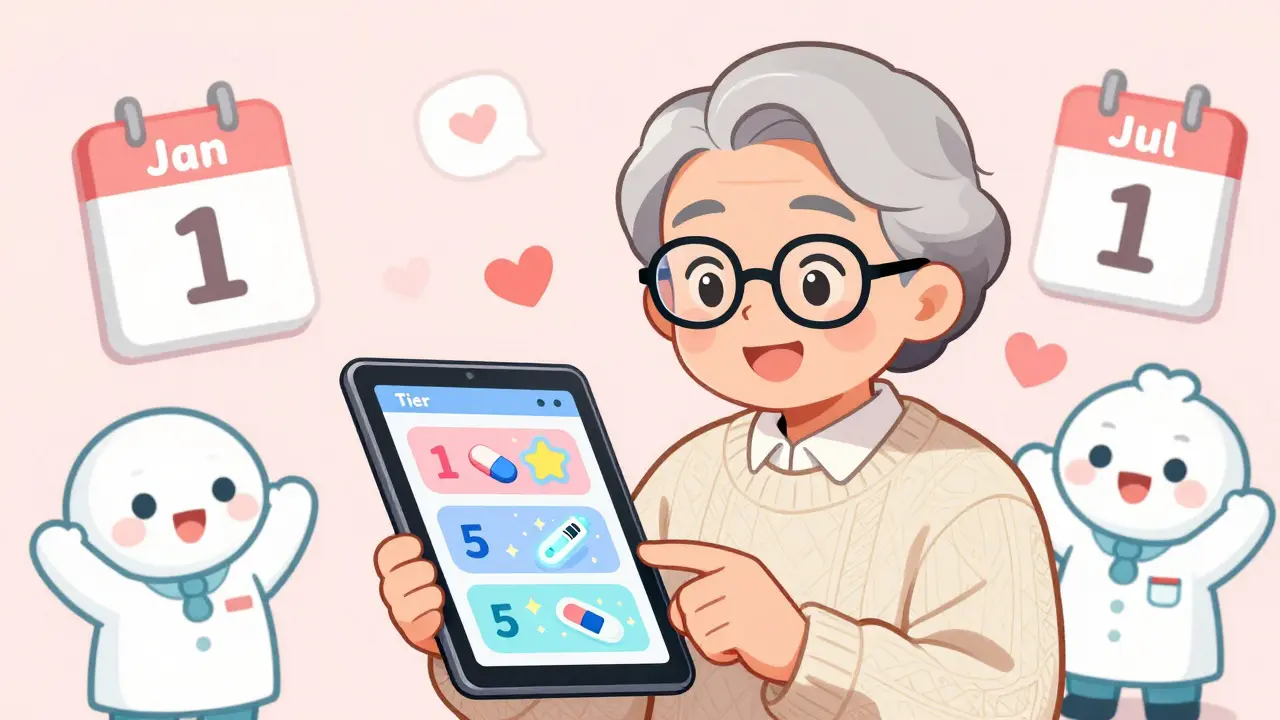
Learn how to check your Medicare drug coverage tiers and spot formulary changes that could raise your medication costs. Essential guide for seniors managing prescriptions.
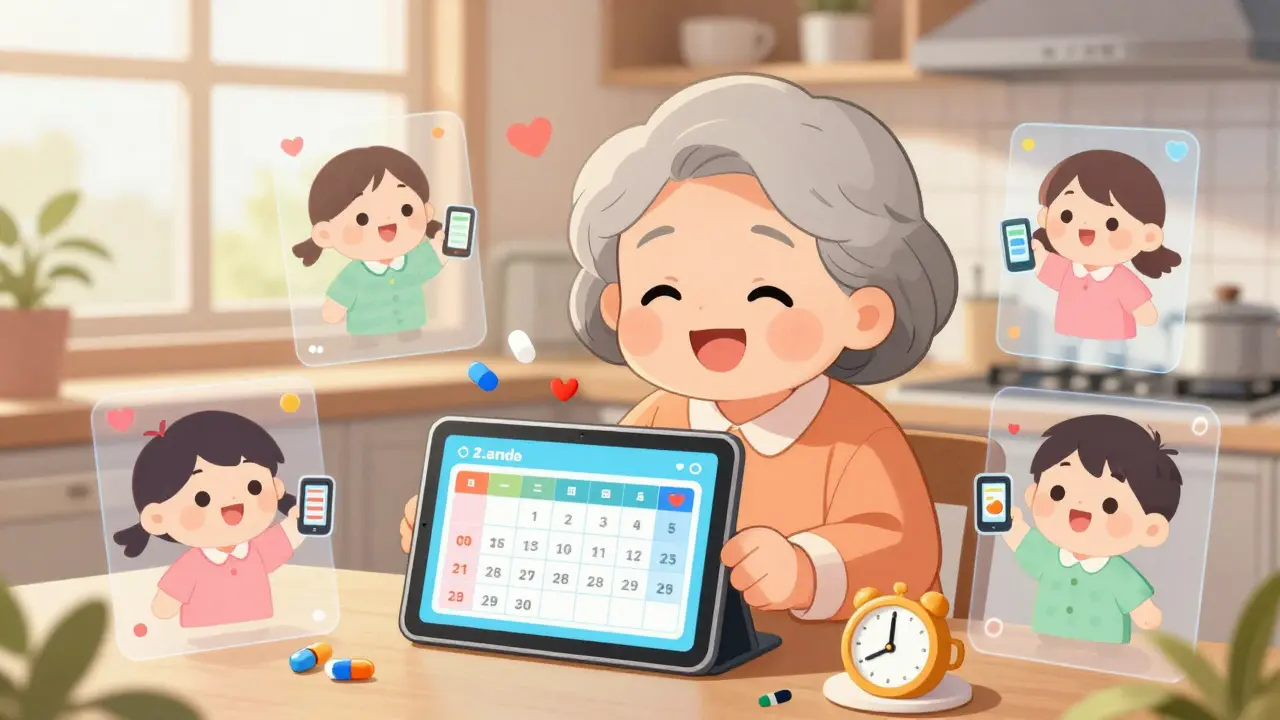
A shared medication calendar helps families and caregivers coordinate doses, avoid dangerous interactions, and prevent missed pills. Learn how to set one up with the right tools and avoid common mistakes.
Media coverage often fuels mistrust in generic drugs despite scientific proof they're just as safe and effective as brand-name versions. Learn how news stories shape perceptions and what you can do to make informed choices.