Medications Guide – What You Need to Know Right Now
Scrolling through endless drug names can feel overwhelming. You want to know what works, what’s safe, and how to get it without getting scammed. This guide cuts the fluff and gives you straight answers on picking the right medication and buying it online the right way.
How to Choose the Right Medication
First things first – never start a pill just because a friend mentioned it. Check the official label or a trusted site like our own EasyMD.Net. Look for:
Purpose: Does the drug treat your exact condition?
Dosage: What strength is recommended for you?
Side‑effects: Which reactions are common and which need urgent medical help?
Interactions: Does it clash with other meds you already take?
When you read a post on EasyMD, you’ll see clear tables that list these points. For example, our article on Metoprolol explains when it’s safe for asthma patients and what alternatives exist.
Always talk to a pharmacist or doctor before starting. A quick chat can reveal hidden risks like kidney problems or pregnancy concerns.
Safe Online Buying Tips
Buying meds online feels convenient, but the market is full of shady sites. Follow these three steps to protect yourself:
Verify the pharmacy: Look for a physical address, a licensed pharmacist on staff, and a clear privacy policy. Legit Australian sites will mention TGA registration.
Check the prescription requirement: If a drug needs a script, a reputable pharmacy will ask for one. Sites that sell prescription meds without any check are red flags.
Compare prices and shipping: Use our price tables to see what a fair cost looks like. Extremely low prices often mean counterfeit pills.
Our category page pulls together dozens of up‑to‑date guides – from buying cheap generic Amoxicillin in Australia to safe options for getting Cialis alternatives. Each guide lists real 2025 prices, how to spot scams, and what the government insurance (PBS) will cover.
Remember, a cheap deal isn’t worth a health risk. If a pharmacy looks too good to be true, walk away and try another reputable source.
Ready to pick a medication? Start by reading the specific article that matches your drug. Whether you’re after a pain reliever like Naprosyn, a blood thinner like Plavix, or an anti‑depressant like Celexa, we’ve broken down the key facts, costs and safety steps.
Stay informed, ask questions, and use trusted resources. With the right knowledge, you’ll feel confident about the meds you take and the places you buy them from.
Learn about the dangerous interactions between MAOIs and OTC cold medicines, including hypertensive crisis risks, serotonin syndrome, and safe alternatives.
Explore how major medical organizations guide generic drug use, focusing on the conflict between cost-saving mandates and patient safety in neurology and oncology.
Discover how to navigate the FDALabel database to find authoritative drug labeling information. This guide covers Version 2.9 features, search strategies, and comparisons with other FDA tools.
Discover how AI and pharmacogenomics are revolutionizing generic medication recommendations. Learn how genetic testing combined with AI ensures safer, more effective prescriptions in 2026.
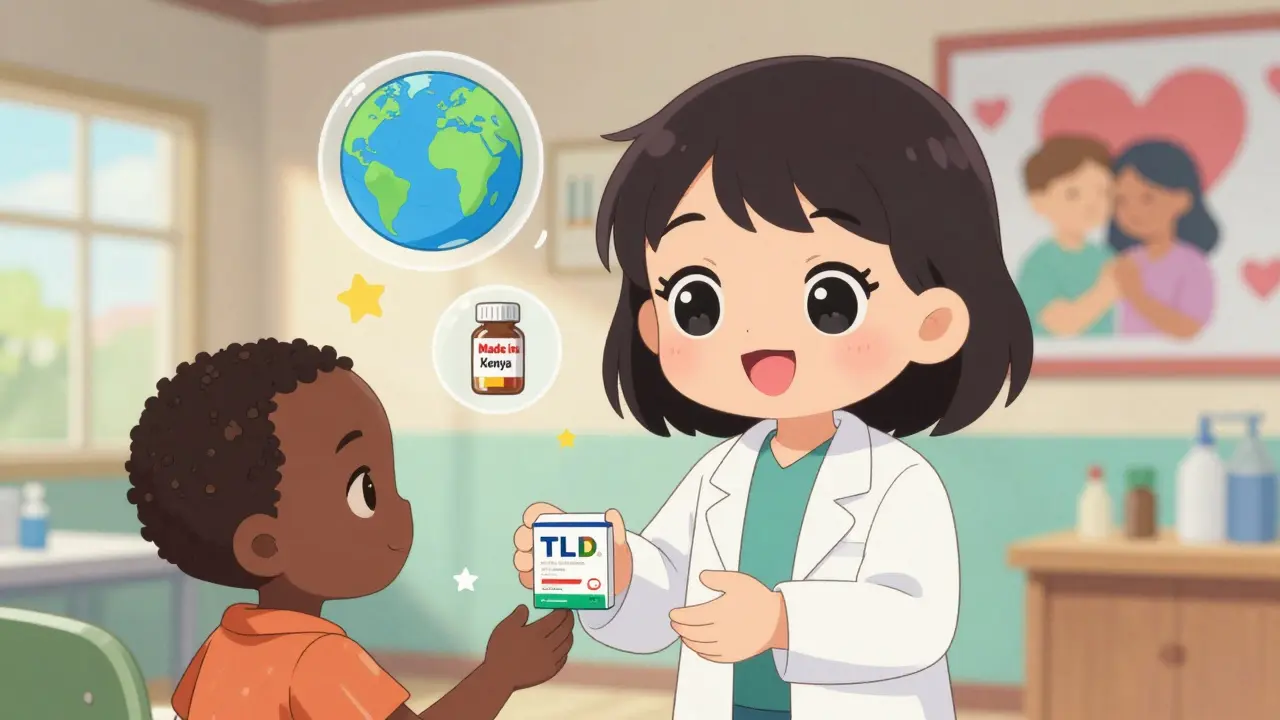
African-made antiretroviral generics are transforming HIV treatment access, with the first WHO-prequalified TLD produced in Kenya and delivered to Mozambique in 2025. Local manufacturing is cutting costs, improving supply chains, and building health sovereignty across the continent.
FDA facility inspections ensure the safety and quality of drugs, devices, and food by verifying compliance with manufacturing standards. Learn how inspections work, what inspectors look for, and how to prepare effectively.
Bringing your actual pill bottles to medical appointments is one of the simplest ways to prevent dangerous medication errors. Learn exactly what to bring, why it matters, and how to prepare so your provider can keep you safe.
Learn how to read prescription drug safety labels to avoid dangerous side effects and interactions. Understand black box warnings, pharmacy label limits, and real strategies to stay safe with your medications.
Choosing the right insulin isn't about the newest drug-it's about matching type, timing, and cost to your daily life. Learn how basal-bolus regimens, analogs, and budget options compare for better diabetes control.
Learn how to find the lowest cash price for medications by comparing pharmacies, using discount tools like GoodRx, and understanding pricing differences between grocery stores, chains, and independents. Save up to 90% on generics.