Medication synchronization (med sync) aligns all your chronic meds to one monthly refill date, cutting missed doses and improving adherence. Studies show it boosts adherence by 3-8%, reduces hospitalizations, and is free at most pharmacies.
Aspirin is no longer recommended for most people to prevent first heart attacks or strokes. Learn who should avoid daily doses and why bleeding risks now outweigh the benefits, based on 2026 guidelines.
Clinicians are raising alarms about generic drug quality, especially those made overseas. New data shows higher adverse event rates linked to manufacturing location - and the system isn't keeping up.
Galactorrhea is milky nipple discharge not related to pregnancy or breastfeeding, often caused by high prolactin levels. It can lead to infertility but is treatable with medication like cabergoline. Learn the causes, diagnosis, and effective treatments.
Authorized generics are brand-name drugs sold without the brand label, identical in every way to the original. They're a strategic response to patent expiration, lowering prices while helping manufacturers retain market share.
Starting at 45, colorectal cancer screening saves lives. Colonoscopy finds and removes polyps before they turn cancerous. If cancer is found, modern chemotherapy regimens like FOLFOX and CAPOX improve survival. Know your options and act early.
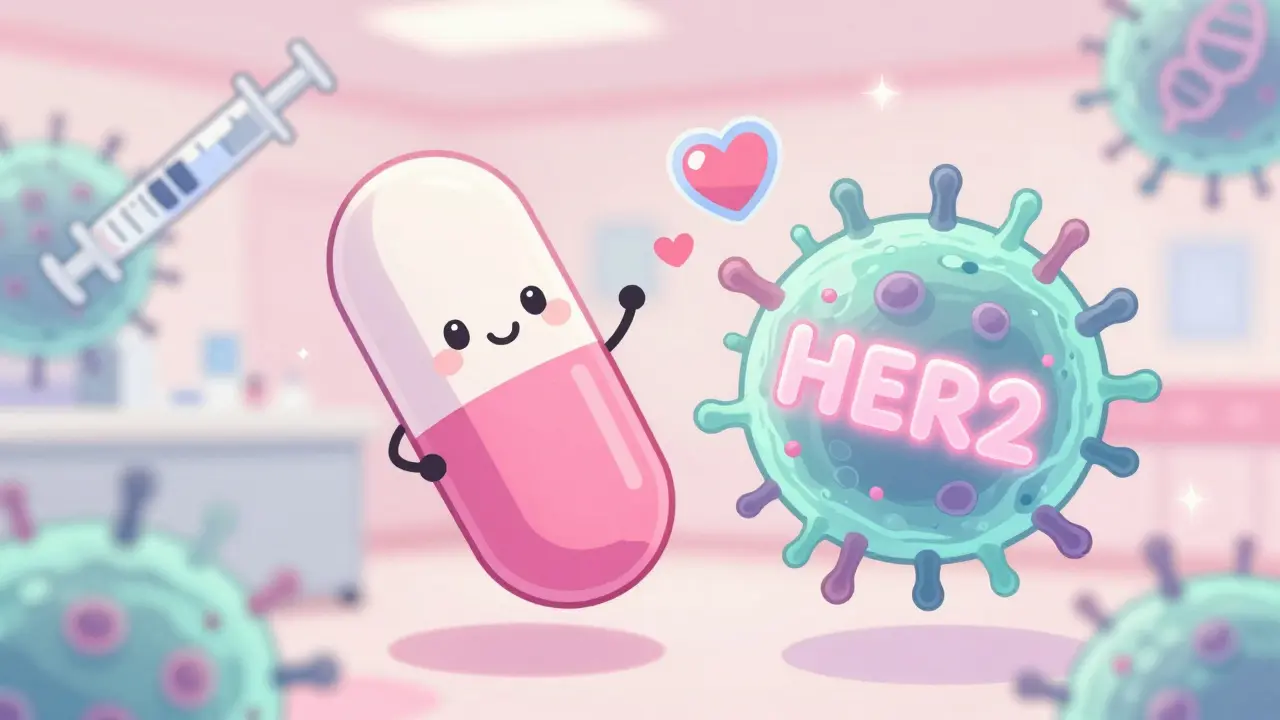
HER2-positive breast cancer is now highly treatable with targeted therapies like trastuzumab, T-DXd, and tucatinib. Learn how these drugs work, their side effects, and why newer options are changing survival rates.
The Orange Book is the FDA's official guide to therapeutic equivalence between brand-name and generic drugs. Learn how TE codes determine if generics can be safely substituted-and why it matters for your health and wallet.
Gene therapy offers revolutionary cures but brings hidden dangers when combined with other drugs. From immune reactions to delayed cancers, the safety risks are unique-and we're still learning how to manage them.
Pharmacists play a key role in recommending generic drugs to improve adherence and reduce costs. Learn how they communicate with prescribers using evidence, regulations, and technology to ensure safe, effective substitutions.