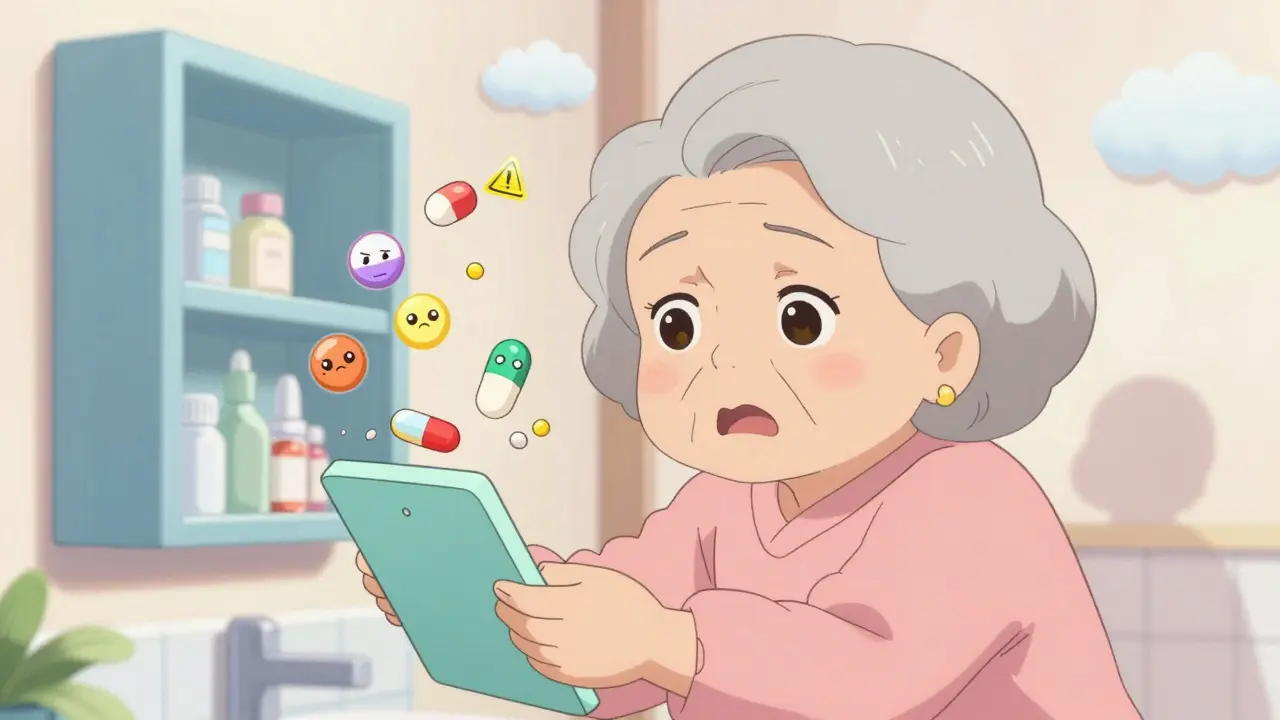
Certain medications commonly prescribed to seniors-like antidepressants, benzodiazepines, and blood pressure drugs-significantly increase fall risk. Learn which drugs are most dangerous and how to reduce your risk through medication review and deprescribing.
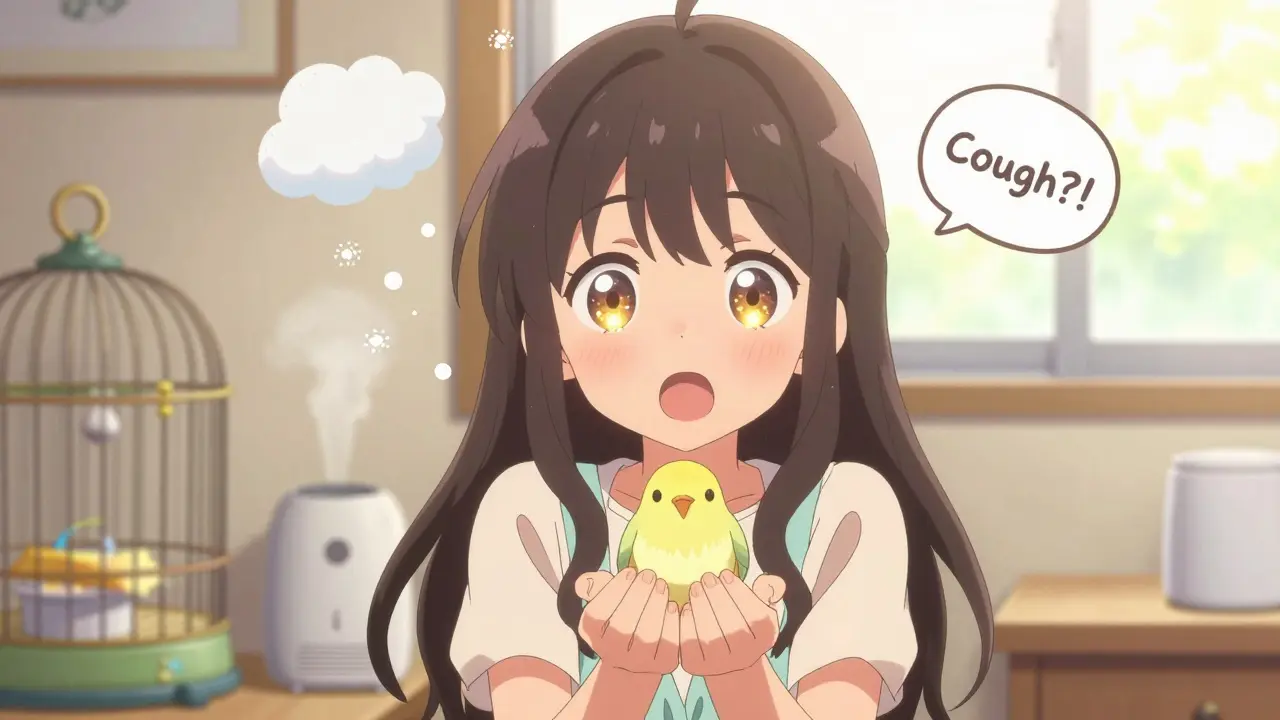
Hypersensitivity pneumonitis is caused by breathing in environmental triggers like mold or bird droppings - not medications. If you have cough and breathlessness, it’s likely not HP from a pill. Learn the real causes and how to tell the difference.
Despite being chemically identical and cheaper, many patients stick with brand-name medications due to trust, familiarity, and psychological comfort. This article explores why brand loyalty persists in pharmaceuticals and what it means for your health and wallet.
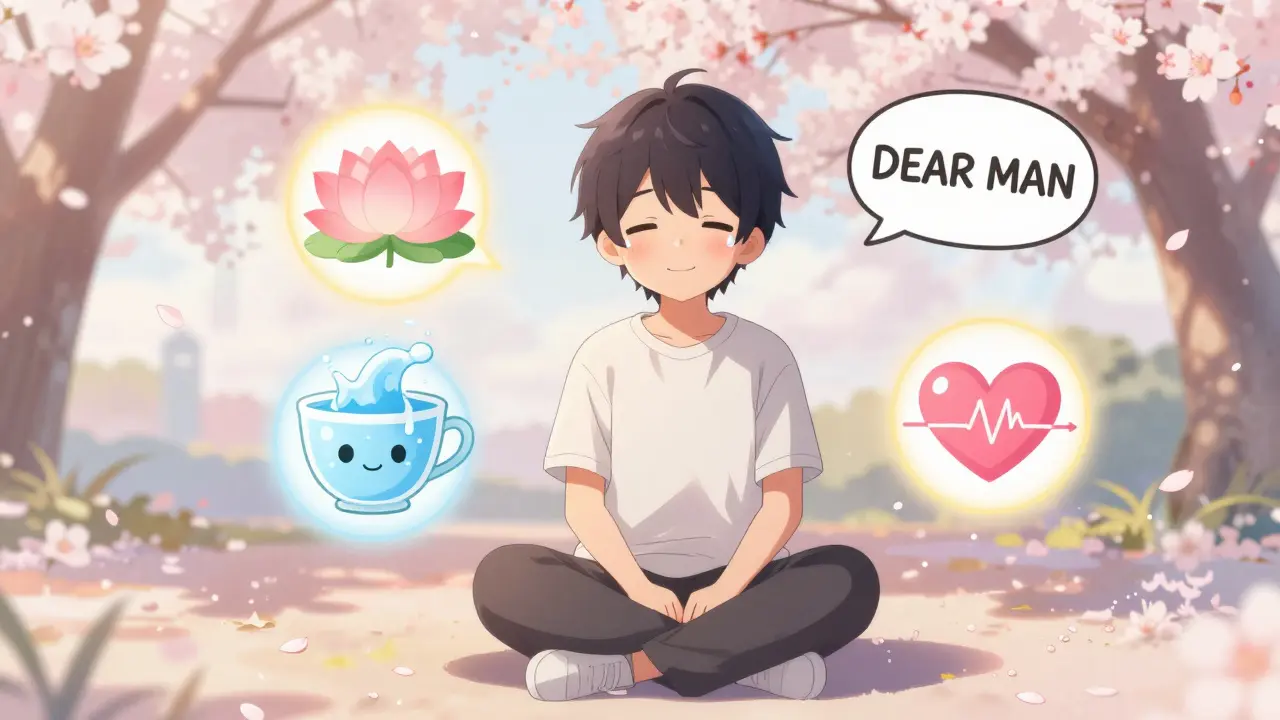
DBT skills offer practical, evidence-based tools for managing intense emotions, reducing self-harm, and surviving crises in Borderline Personality Disorder. Learn the four core modules and how to build a personal crisis plan.
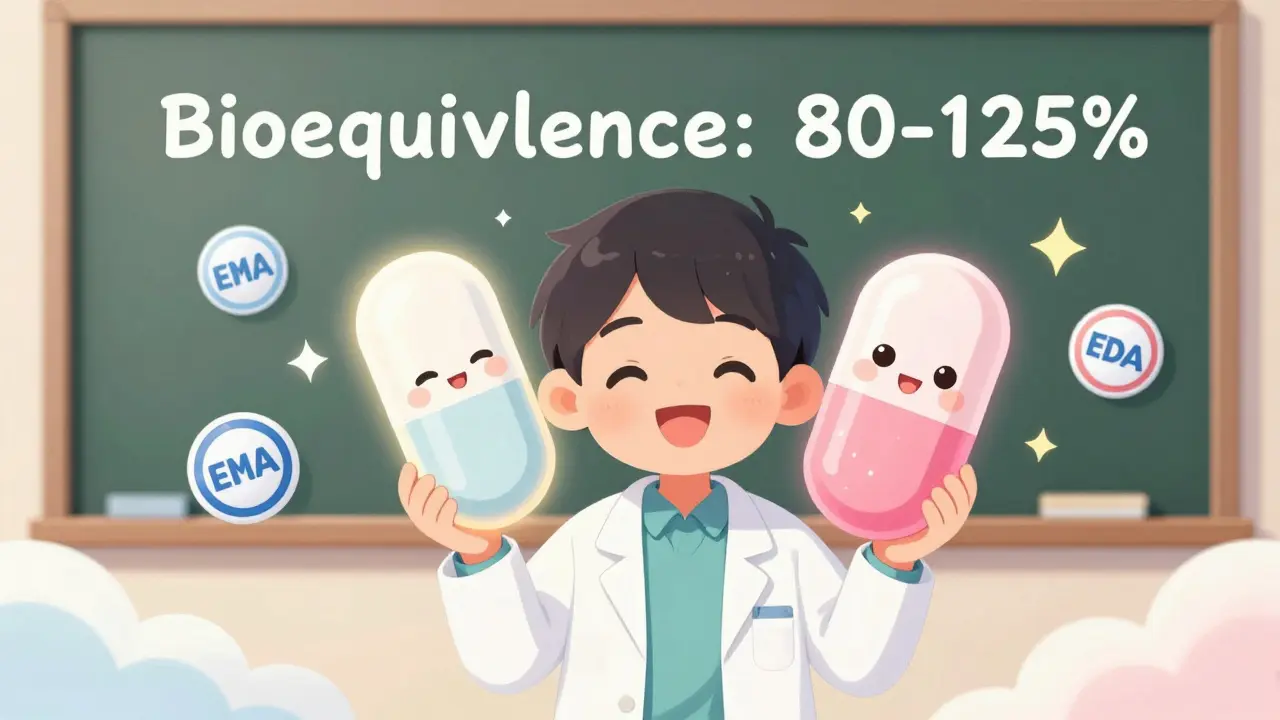
Despite generics making up 90% of prescriptions, many doctors lack training on bioequivalence. This article explores why medical education fails to teach drug equivalence-and what actually changes prescribing habits.
Pharmacist substitution authority lets pharmacists swap, adjust, or even prescribe medications under state laws. Learn how this expanding role improves access, reduces doctor shortages, and what’s still holding it back.
Pharmacists must follow strict legal rules when dispensing generic medications. Learn the federal and state requirements, when substitution is allowed or blocked, how to get patient consent, and how to avoid costly mistakes.
Learn the critical first steps to take during an antihistamine overdose, including when to call poison control, what symptoms to watch for, and why some antihistamines are far more dangerous than others.
OTC cold medicines pose serious risks to young children and offer little to no benefit. Learn the age limits, dangers, and safer alternatives recommended by doctors and health agencies.
Indemnification clauses in commercial contracts determine who pays when things go wrong. Learn the seven key elements, how unilateral vs. mutual indemnity works, and what to watch for before signing any agreement.